
 AUS
AUS
 NZ
NZ
 UK
UK
 CA
CA
 USA
USA
 IND
IND





Highlights
Core Lithium reflects resource sector activity linked to battery materials.
Lithium demand connects to electric mobility and energy storage systems.
Resource companies highlight supply chain integration in global markets.
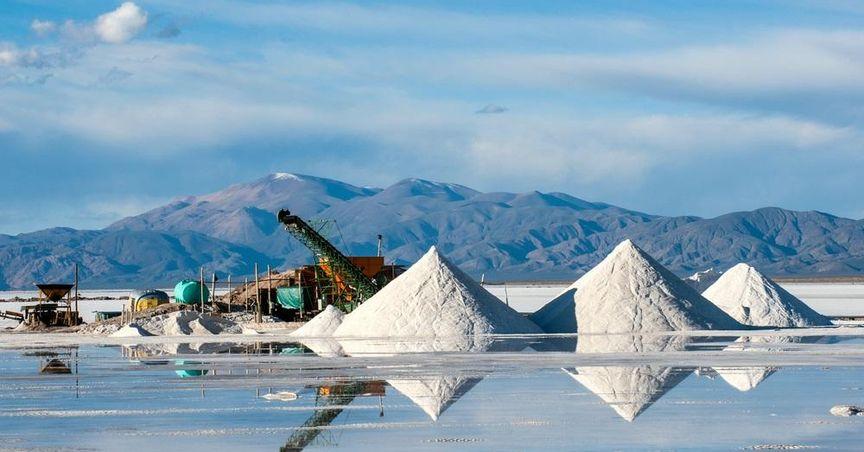
Core Lithium highlights lithium sector activity within ASX All Ords, reflecting resource development, battery material integration, and global supply chain participation across industrial markets.
The resource sector within the ASX All Ords includes companies engaged in the exploration and development of minerals that support industrial and technological applications. Lithium has emerged as a key material within this space due to its relevance in battery production and energy storage systems. Companies operating in this segment contribute to supply chains associated with electrification, renewable energy, and advanced manufacturing processes.
Core Lithium Ltd (ASX:CXO) operates within the lithium exploration and development segment, focusing on projects linked to battery-grade materials. The company’s activities involve extracting and processing lithium-bearing resources that are integrated into broader industrial frameworks. These operations reflect the role of lithium in supporting technological applications and energy systems across various industries.
The inclusion of lithium-focused companies within the broader index highlights the increasing importance of battery materials in global industrial ecosystems. Resource companies provide essential inputs for sectors such as automotive manufacturing, electronics, and renewable energy infrastructure.
Lithium production is closely associated with the expansion of electrification and the transition toward alternative energy systems. This relationship underscores the importance of resource companies in supporting infrastructure development and industrial supply chains.
Lithium Resource Development And Project Activity
Lithium resource development involves multiple stages, including exploration, assessment, and operational planning aimed at extracting usable materials from mineral deposits. Core Lithium’s activities reflect these processes through project development within lithium-rich regions.
Exploration programs include geological surveys, drilling activities, and evaluation processes designed to identify viable mineral resources. These activities form the foundation for further project development and operational planning.
Project development within the lithium sector involves infrastructure planning, environmental considerations, and adherence to regulatory frameworks. Companies operating in this space align their activities with established standards to ensure efficient and structured resource extraction.
Processing of lithium-bearing materials results in products suitable for industrial use, including lithium concentrates and refined compounds. These materials are utilised in manufacturing processes linked to battery production and other industrial applications.
Within the broader ASX All Ords, resource companies represent a substantial segment, reflecting the importance of mineral exploration and extraction in economic activity. Their presence highlights the contribution of natural resources to industrial supply chains. The development of lithium projects demonstrates the interconnected nature of exploration, extraction, and processing within the resource sector.
Battery Materials And Industrial Applications
Lithium serves as a critical component in battery technology, particularly within applications related to electric mobility and renewable energy storage. The material’s characteristics enable efficient energy storage, supporting a wide range of technological systems.
Battery production involves integrating lithium compounds into cells that power devices such as electric vehicles, consumer electronics, and energy storage units. This process connects resource extraction with advanced manufacturing industries.
Lithium also has applications beyond battery production, including use in ceramics, glass manufacturing, and specialised industrial processes. These applications highlight the versatility of the material across multiple sectors.
Industrial demand for lithium is shaped by developments in electrification and technological advancement. Companies operating within this sector align their production processes with evolving industry requirements.
Within financial classifications such as ASX dividend stocks, resource companies operate alongside entities from other sectors, demonstrating the diversity of market representation. The integration of lithium into industrial systems underscores its importance within modern manufacturing and energy frameworks.
Market Representation And Resource Sector Dynamics
Resource companies contribute to equity markets by representing industries focused on mineral extraction and processing. Core Lithium exemplifies this role within the lithium segment, highlighting the presence of battery materials within the broader market.
The inclusion of such companies within indices reflects their contribution to economic activity, particularly in sectors associated with energy and industrial production. These entities operate alongside firms from various industries, creating a diversified market structure.
Within the ASX 200, larger resource companies dominate segments such as mining and energy, while smaller entities contribute to specialised areas including lithium exploration. This layered structure enhances overall market diversity.
Market dynamics within the resource sector are influenced by global supply chains, industrial requirements, and regulatory frameworks. Companies align their operations with these factors to maintain participation in the industry.
The presence of lithium-focused companies highlights the evolving nature of the resource sector, where materials associated with energy storage and electrification gain prominence.
The interaction between various resource segments demonstrates how mineral extraction supports a wide range of industrial applications, contributing to the broader economic environment.
Global Supply Chains And Industry Integration
Lithium supply chains involve interconnected stages including extraction, processing, transportation, and integration into manufacturing systems. Core Lithium’s operations contribute to this chain by supplying materials that support downstream industries.
Global supply chains connect resource-producing regions with manufacturing hubs, enabling the movement of lithium materials across international markets. These networks support industries such as automotive production, electronics manufacturing, and renewable energy systems.
The integration of lithium into global supply chains reflects the interconnected nature of modern industrial processes. Materials extracted in one region are processed and utilised in various applications across different markets.
Technological advancements in battery production and energy storage continue to influence the lithium sector. Companies operating within this space align their activities with these developments to support industrial requirements.
Market participation within the resource sector includes mining companies, processors, and manufacturers who engage with lithium materials at various stages of the value chain. These interactions contribute to the distribution and utilisation of resources.
The global reach of lithium supply chains highlights the importance of resource companies in supporting technological infrastructure and industrial development across multiple regions.
