
 AUS
AUS
 NZ
NZ
 UK
UK
 CA
CA
 USA
USA
 IND
IND





Highlights
Defence technology sector reflects increased operational activity on ASX.
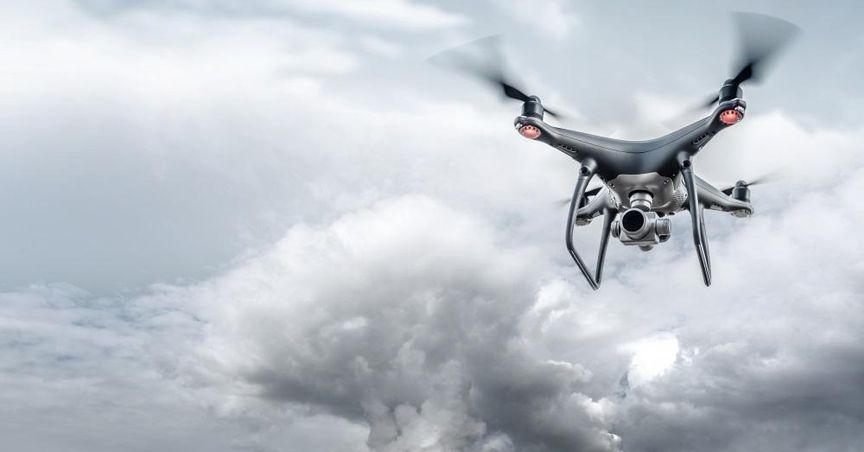
DroneShield focuses on counter-drone solutions and security systems.
Sector positioning aligns with evolving global defence requirements.
DroneShield highlights defence technology activity on ASX, focusing on counter-drone systems and evolving sector dynamics within global security frameworks.
The defence technology sector represents a specialised segment within the Australian equity market, encompassing companies engaged in security systems, surveillance technologies, and advanced defence solutions. These businesses contribute to national security frameworks and industrial innovation, with representation across indices such as the ASX 300, and All Ordinaries. Their inclusion highlights the importance of defence-oriented enterprises within the broader market structure.
Companies operating in this sector are often involved in the development of technologies designed to address modern security challenges. These include counter-drone systems, electronic warfare solutions, and advanced monitoring platforms. The sector intersects with both government and commercial applications, reflecting a wide scope of operational relevance.
DroneShield (ASX:DRO) operates within this framework, focusing on the development of counter-drone technologies designed to detect, track, and mitigate unmanned aerial threats. Its role within the defence technology sector aligns with increasing attention on aerial security systems and electronic defence capabilities. The company’s activities highlight the growing importance of counter-drone solutions in modern defence environments.
The defence technology sector is influenced by global security considerations, technological advancements, and evolving operational requirements. Companies within this space adapt to these factors by enhancing product capabilities and expanding their technological frameworks. This ongoing evolution shapes how defence technology companies operate within the market.
DroneShield and Counter-Drone Technology Development
DroneShield operates within the niche area of counter-drone technology, focusing on systems designed to identify and manage unmanned aerial vehicles. Its product portfolio includes detection systems, electronic countermeasures, and integrated security solutions. These technologies are utilised in various environments, including military, government, and critical infrastructure settings.
The company’s operations involve research and development activities aimed at improving the effectiveness of its systems. These efforts contribute to advancements in detection accuracy, signal processing, and system integration. Counter-drone technology has become increasingly relevant as the use of unmanned aerial vehicles expands across different industries.
DroneShield’s approach includes the development of both hardware and software solutions, allowing for flexible deployment across different operational scenarios. These systems are designed to function in complex environments, addressing challenges associated with drone detection and mitigation. The integration of multiple technologies within its product offerings reflects the complexity of modern defence requirements.
Operational updates have highlighted the company’s engagement with various projects and contracts related to defence and security applications. These engagements reflect the demand for counter-drone solutions across different regions and sectors. The company’s involvement in such activities underscores its role within the defence technology ecosystem.
The presence of DroneShield within indices such as the asx all ords reflects its contribution to the broader market composition. Its activities align with the increasing focus on advanced security technologies within the global defence landscape.
Operational Performance and Industry Positioning
DroneShield’s operational performance is closely linked to its ability to deliver technology solutions that address evolving security challenges. The company operates within a competitive environment that includes other defence technology providers, each offering specialised solutions tailored to different applications. Its positioning within this environment is influenced by technological capability and operational execution.
The company’s activities include collaboration with government agencies, defence organisations, and commercial partners. These collaborations support the development and deployment of counter-drone systems across various settings. Such partnerships are a common feature within the defence technology sector, facilitating the exchange of expertise and resources.
Financial positioning reflects the company’s focus on technology development and project execution. Companies within this sector often allocate significant resources toward research and innovation, which can influence financial outcomes. The ability to secure contracts and maintain operational continuity plays a role in shaping financial performance.
DroneShield’s engagement with international markets reflects the global nature of defence technology demand. Counter-drone solutions are relevant across different regions, particularly in areas where security concerns are prominent. The company’s participation in international projects highlights its reach within the global defence industry.
The broader market context includes the presence of defence technology companies within indices such as the ASX 300, which track sector representation and market composition. These indices provide insight into how specialised sectors contribute to overall market activity.
Technology Integration and Product Development
The development of counter-drone systems involves the integration of multiple technological components, including radar systems, radio frequency sensors, and electronic countermeasures. DroneShield’s product portfolio reflects this integration, combining hardware and software elements to create comprehensive security solutions.
Technological advancements within the defence sector have led to increased focus on automation, artificial intelligence, and data analytics. These technologies enhance the capability of defence systems, enabling more effective detection and response mechanisms. Companies within this sector incorporate these advancements into their product development processes.
DroneShield’s approach to product development includes continuous refinement of its systems to address emerging challenges. This involves updating software components, enhancing detection capabilities, and improving system reliability. The dynamic nature of defence technology requires ongoing innovation to remain aligned with evolving operational requirements.
The integration of defence technologies with existing infrastructure is another key aspect of product development. Systems must be compatible with current security frameworks, allowing for seamless deployment and operation. This compatibility is essential for ensuring the effectiveness of counter-drone solutions in real-world environments.
The role of ASX dividend stocks within the broader market intersects with defence technology companies, particularly in discussions related to financial frameworks. While companies in this sector may have varying financial structures, their inclusion reflects the diversity of the Australian equity market.
Market Dynamics and Defence Sector Evolution
The defence technology sector continues to evolve in response to changes in global security conditions and technological advancements. Companies operating within this space adapt to these changes by developing new solutions and expanding their capabilities. This evolution influences how the sector functions within the broader market.
Market dynamics within the defence sector are shaped by factors such as government policies, international relations, and technological innovation. These elements contribute to the demand for advanced security systems and influence the activities of companies like DroneShield. The sector’s development is closely linked to these external factors.
The increasing use of unmanned aerial vehicles across various industries has contributed to the demand for counter-drone solutions. This trend highlights the importance of technologies designed to manage aerial threats. Companies involved in this area play a role in addressing these challenges through their product offerings.
The broader market context includes interactions between the defence sector and other industries, such as technology and manufacturing. These interactions reflect the interconnected nature of economic activity and contribute to the overall functionality of the market.
Indices such as the ASX 200 provide a framework for understanding how different sectors contribute to market composition. The inclusion of defence technology companies within these indices highlights their relevance in supporting industrial and security-related activities.
