
 AUS
AUS
 NZ
NZ
 UK
UK
 CA
CA
 USA
USA
 IND
IND






Highlights
Strong gold intercepts reported at Astoria
Broad mineralised halos indicate scale
Ongoing drilling supports system continuity
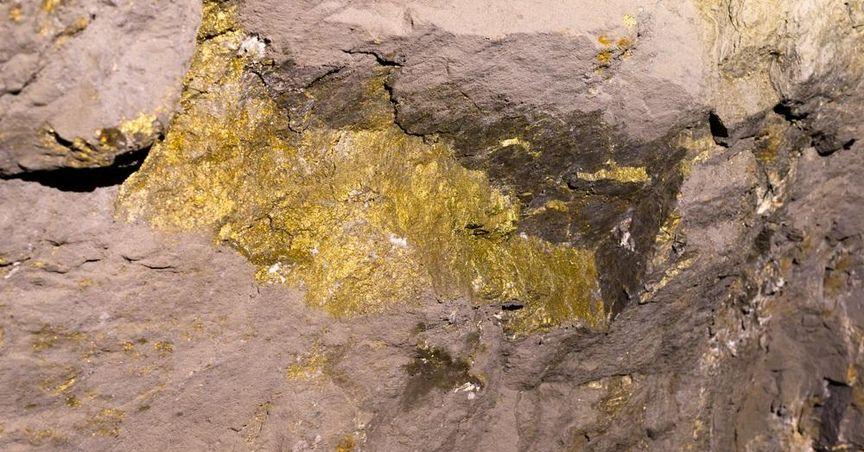
Ardiden’s latest drilling at the Astoria deposit highlights strong gold mineralisation supported by wide halos, pointing to a large and continuous system along a key Canadian gold corridor.
Ardiden Expands Gold Narrative at Astoria
Ardiden (ASX:ADV) has strengthened its presence in the gold exploration landscape with fresh drilling updates from the Astoria deposit, part of its Rouyn gold project in Québec. The development is drawing attention across segments tracking ASX 100, as ongoing exploration highlights a widening mineralised footprint supported by both high-grade intercepts and extensive alteration halos.
The latest campaign reflects steady progress in understanding the geological framework of the Rouyn corridor. The presence of broad halos surrounding high-grade zones suggests that mineralisation is not confined to isolated pockets but forms part of a much larger hydrothermal system. This reinforces the view that Astoria may host a structurally controlled gold system with meaningful scale.
Understanding the Astoria Deposit
A Structurally Driven Gold System
The Astoria deposit sits within a prolific gold-producing region known for hosting several established operations. What sets the latest findings apart is the combination of strong gold grades and widespread mineralised halos, which typically form due to prolonged fluid movement through structural pathways.
Such halos are often considered indicators of large mineral systems. They reflect sustained mineralising processes where fluids travel through fractures and faults, depositing gold over time. In the case of Astoria, these halos extend laterally and vertically, strengthening confidence in the continuity of the system.
Continuity Across Drilling Zones
Drilling has intersected multiple zones of gold mineralisation across several areas within the deposit. These zones demonstrate consistency in both thickness and grade, suggesting that mineralisation is continuous rather than fragmented.
Importantly, drilling has extended beyond previously defined boundaries, revealing that the system remains open in multiple directions. This kind of expansion is often seen as a positive signal in exploration, as it indicates that further drilling could uncover additional zones.
High-Grade Intercepts and Their Significance
What High-Grade Zones Indicate
High-grade gold intersections play a crucial role in defining the economic viability of a deposit. At Astoria, several drill holes have returned notable gold values, highlighting the presence of concentrated mineralisation within broader envelopes.
These high-grade shoots are typically formed along structural controls such as faults or shear zones. Their presence, combined with surrounding halos, points to a dynamic mineralising environment capable of producing both concentrated and disseminated gold.
Halo Mineralisation Adds Scale
While high-grade zones often attract attention, the surrounding halos provide equally important insights. These halos represent lower-grade mineralisation spread over wider areas, which can contribute significantly to the overall resource base.
At Astoria, the halos are extensive and continuous, suggesting that the system has both depth and width. This dual characteristic enhances the overall exploration outlook, as it opens the possibility of defining a larger resource footprint over time.
Strategic Importance of the Rouyn Corridor
A Well-Established Gold Belt
The Rouyn corridor lies within a region known for its rich gold endowment and established mining infrastructure. Deposits in this area often share similar geological traits, including structurally controlled mineralisation and strong continuity.
Astoria’s characteristics align with these regional patterns, placing it within a favourable exploration context. The consistency observed in drilling results mirrors trends seen in other successful operations within the belt.
Comparing with Regional Operations
Grades and widths encountered at Astoria are comparable to those seen in established underground mines across the broader greenstone belt. This comparison provides a useful benchmark, indicating that the deposit exhibits features consistent with productive gold systems.
Such alignment with regional analogues strengthens the geological interpretation and supports ongoing exploration efforts.
Exploration Momentum and Campaign Progress
Drilling Campaign Advancing
The current drilling program is progressing steadily, with multiple holes completed and more planned as part of a broader campaign. Each new result contributes to a more detailed understanding of the deposit’s structure and extent.
The focus remains on expanding known zones while also testing new areas along the corridor. This dual approach allows for both resource growth and discovery of additional mineralised zones.
Expanding the Mineralised Footprint
One of the key outcomes of recent drilling is the identification of mineralisation beyond previously tested areas. This expansion highlights the evolving nature of the deposit and underscores the importance of continued exploration.
As drilling progresses, the aim is to refine the geological model and identify key controls on mineralisation. This information will guide future targeting and enhance the efficiency of exploration efforts.
Broader Portfolio Strength
Assets Beyond Astoria
Following its merger with Lac Gold, Ardiden now holds full ownership of both the Rouyn project and the Pickle Lake gold project in Ontario. This expanded portfolio provides exposure to multiple exploration opportunities within established gold regions.
Such diversification allows the company to balance exploration risk while maintaining focus on high-priority targets like Astoria.
Position Within Market Indices
The company’s developments are being closely watched across segments tracking ASX 200, as exploration success often influences broader sentiment within the resource sector. Continued progress at Astoria could contribute to increased visibility within the market.
Market Relevance and Investor Interest
Growing Attention in Gold Exploration
Gold exploration remains a key area of interest, particularly in regions with established mining histories. Projects like Astoria, which demonstrate both grade and scale, tend to attract attention due to their ability to evolve into significant resource assets.
The combination of high-grade intercepts and extensive halos positions Astoria as a noteworthy development within this landscape.
Long-Term Outlook
The ongoing drilling campaign and expanding mineralised footprint suggest that Astoria is still in the early stages of its exploration journey. Continued work will focus on defining the extent of the system and assessing its broader implications.
Interest from those tracking ASX 300 trends reflects the growing importance of exploration-driven growth within the sector.
Role of Mineralisation Style in Resource Growth
Importance of Structural Controls
Structural controls play a central role in determining the distribution of gold within a deposit. At Astoria, the alignment of mineralisation with structural features supports the interpretation of a coherent system.
Understanding these controls is essential for targeting high-grade zones and expanding known mineralisation.
Contribution of Halo Zones
Halo zones, while often lower in grade, contribute significantly to overall resource potential. Their presence indicates a widespread mineralising system capable of supporting large-scale development.
At Astoria, the combination of halos and high-grade shoots creates a balanced mineralisation profile, enhancing the overall exploration narrative.
Gold Exploration and Dividend Themes
While exploration-focused companies differ from income-oriented assets, developments like these often influence sentiment across segments such as ASX dividend stocks. Strong exploration outcomes can shape long-term expectations within the broader market.
What Lies Ahead for Astoria?
Continued Drilling and Analysis
The next phase of exploration will focus on extending known zones and testing new targets along the corridor. Detailed analysis of drilling data will help refine the geological model and guide future work.
Building a Larger Resource Base
With mineralisation remaining open in multiple directions, there is scope to expand the resource footprint. Each drilling update will contribute to a clearer picture of the deposit’s scale and continuity.
