
 AUS
AUS
 NZ
NZ
 UK
UK
 CA
CA
 USA
USA
 IND
IND




Highlights
ASX stock reflects strong market movement over recent sessions.
Resource sector activity supports broader index participation.
Market sentiment aligns with commodity-driven developments.
ASX stock reflects strong movement driven by resource sector activity and global commodity demand, highlighting participation trends across the Australian equity market.
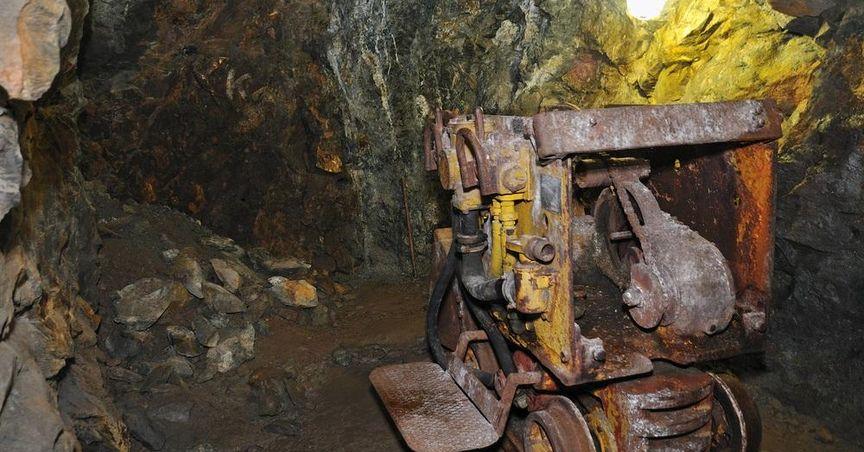
The resource and energy sector forms a significant part of the Australian equity landscape, contributing to industrial supply chains and export activity. Companies operating within this segment are widely represented across indices such as the ASX 200, reflecting their role in shaping market participation and sector dynamics. These companies include mining and energy producers that contribute to global commodity supply networks.
Recent market movement has highlighted activity within resource-focused companies, with Paladin Energy Limited drawing attention during trading sessions. The company (ASX:PDN) operates within the uranium and energy resource segment, contributing to supply chains that support energy generation across international markets. Its operations highlight the connection between commodity demand and equity market participation.
The resource sector operates through a structured framework that includes exploration, production, and distribution of commodities. These processes support industrial operations and contribute to the global flow of resources across regions.
Market participation within the resource segment reflects engagement from institutional investors, corporate stakeholders, and broader participants. This engagement contributes to liquidity and supports the movement observed within indices during trading sessions. The integration of resource companies within the broader equity market highlights the importance of commodity-driven industries in shaping overall market activity.
Commodity Demand Influences Market Participation
Commodity markets play a central role in influencing activity within resource-based companies. Materials such as uranium, metals, and energy resources are essential for industrial and energy systems, contributing to their relevance within global markets.
Paladin Energy operates within this environment, focusing on uranium production and supply. Its operations contribute to energy-related supply chains, linking mining activity with international demand for energy resources.
Within the broader asx all ords, resource companies contribute to market diversity by representing various commodity segments. Their inclusion highlights the importance of commodities in shaping equity market composition.
The interaction between commodity demand and production activity influences how companies operate within the market. This interaction contributes to the movement observed within equity indices.
Global demand for energy resources supports the activity of companies operating within this sector, reflecting the importance of supply chains in meeting industrial and energy needs.
The responsiveness of resource companies to commodity trends highlights the interconnected nature of global markets, where demand conditions influence sector participation.
Sector Participation Reflects Broader Market Activity
The Australian equity market reflects participation across multiple sectors, including resources, financial services, technology, and industrial operations. This diversified participation supports balance within the market, where different industries contribute to overall activity.
Resource companies play a key role in this structure, contributing to export activity and industrial supply chains. Their participation complements activity within other sectors, supporting overall market movement.
Within classifications such as ASX dividend stocks, companies across sectors contribute to the structure of the market, highlighting the diversity of operational models within the equity landscape.
The interaction between sectors highlights the interconnected nature of the market, where developments in one industry influence activity in others. This interaction contributes to the flow of capital and trading engagement.
Market participation reflects engagement from institutional investors, corporate stakeholders, and broader participants who contribute to liquidity and trading activity across indices.
The inclusion of multiple sectors within the ASX supports a comprehensive representation of economic activity, reinforcing the importance of diversification within the market.
Global Developments Shape Market Sentiment
Global developments continue to influence sentiment across the Australian equity market, contributing to trading patterns observed during active sessions. Economic signals, geopolitical developments, and commodity trends play a role in shaping participation levels.
Energy markets, in particular, reflect the interaction between supply conditions and global demand, influencing how resource companies engage with equity markets. These developments contribute to the broader environment in which markets operate.
The connection between Australian equities and global financial systems supports the flow of information and capital across regions. This interconnected structure contributes to the responsiveness of the ASX to international developments.
Market sentiment reflects the collective response of participants to these global factors, influencing engagement across sectors. This sentiment contributes to the movement observed within indices during trading sessions.
The alignment between global developments and domestic market activity highlights the importance of external influences in shaping equity performance. The integration of global trends within the Australian market underscores the role of international factors in supporting sector participation and overall market dynamics.
Market Structure Reflects Ongoing Sector Engagement
The Australian equity market reflects a structured composition that includes companies across various sectors and market capitalisations. This structure supports a comprehensive representation of economic activity, where multiple industries contribute to overall market movement.
Participation within the market includes institutional investors, corporate stakeholders, and broader participants who contribute to liquidity and trading activity. Their engagement influences the movement observed across sectors, shaping overall market trends.
The interaction between domestic sector performance and global developments contributes to ongoing participation trends within the market. This interaction reflects the interconnected nature of financial systems.
The ASX continues to reflect a balanced structure where large-cap companies provide stability, while broader sector participation supports ongoing activity. This balance contributes to the consistency observed within the market.
The integration of sectors such as resources, financial services, and industrial operations highlights the importance of diversified participation within the equity landscape.
Market activity continues to reflect engagement across sectors, where commodity demand and global developments contribute to overall participation within the Australian equity market.
