
 AUS
AUS
 NZ
NZ
 UK
UK
 CA
CA
 USA
USA
 IND
IND






Highlights
Coal sector stock records notable movement alongside increased trading activity.
Resource sector participation reflects global commodity demand trends.
Broader ASX indices capture shifts in energy-related stock engagement.
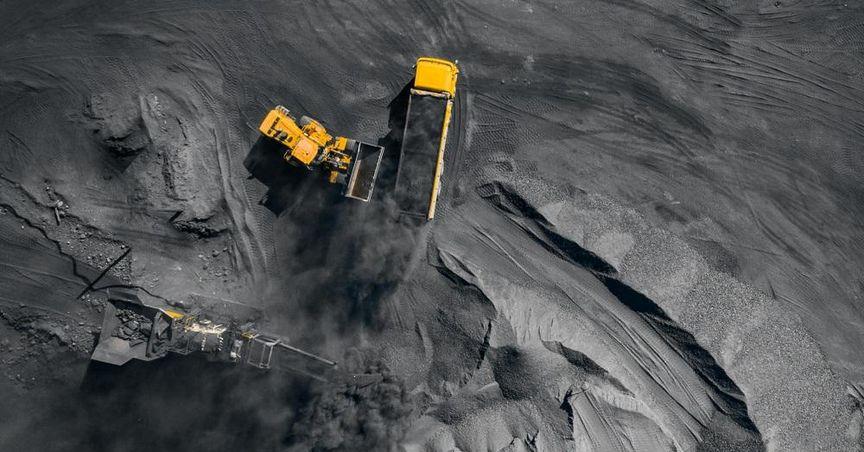
Coal sector activity highlights Whitehaven Coal (ASX:WHC) movement, reflecting resource demand trends and market participation within ASX 200 and broader indices.
The coal sector remains a significant part of Australia’s resource-driven economy, with companies engaged in extraction, processing, and export activities. This sector contributes to both domestic energy supply and international commodity markets, reflecting its importance within the broader financial ecosystem. Within indices such as the ASX 200, coal companies represent a key segment of the resource sector, contributing to overall market dynamics and sector participation.
Whitehaven Coal Limited (ASX:WHC) operates within this segment, focusing on coal production and export activities. The company’s operations highlight how resource-focused entities contribute to Australia’s economic structure, particularly through commodity-driven industries.
The inclusion of coal companies within broader indices such as the ASX 100 reflects their role in shaping market performance, where resource demand and global trade conditions influence sector activity.
Market Activity And Trading Participation Trends
Stock movement within the coal sector often reflects changes in market participation, driven by developments in commodity demand, operational updates, and broader economic conditions. Increased trading activity can highlight heightened engagement with specific stocks, particularly during periods of sector focus.
Whitehaven Coal Limited (ASX:WHC) has experienced notable trading activity, reflecting how market participants respond to developments within the resource sector. Such activity demonstrates the responsiveness of coal stocks to changes in global demand and industry-specific developments.
Within the broader context of the asx all ords, resource sector stocks contribute to overall market activity, highlighting the interconnected nature of sector performance and index movement.
Commodity Demand And Global Market Influence
Coal remains a widely traded commodity, with demand influenced by industrial activity, energy requirements, and global economic conditions. Export markets play a significant role in shaping the performance of coal companies, reflecting international demand patterns.
Changes in global commodity markets can influence how coal companies operate, with developments in trade conditions and energy consumption affecting sector participation. Companies within this segment operate within a framework that is closely linked to international market trends.
The interaction between global demand and domestic production highlights the importance of monitoring external developments when evaluating the coal sector. This dynamic contributes to fluctuations in market activity and sector engagement.
The presence of coal companies within the Australian equity market underscores their role in supporting global energy supply chains and industrial activities.
Sector Dynamics And Resource Industry Participation
The resource sector encompasses a wide range of commodities, including coal, minerals, and energy resources. Each segment reflects unique operational characteristics and market drivers, contributing to the diversity of the Australian equity market.
Coal companies operate within a framework that involves exploration, production, and export activities. These processes require coordination across multiple operational areas, including logistics, infrastructure, and regulatory compliance.
Within the ecosystem of ASX dividend stocks, resource companies may demonstrate varying participation patterns, reflecting differences in operational focus and financial structures.
Sector dynamics are influenced by both domestic and global factors, highlighting the complexity of resource markets and their impact on overall equity performance.
Broader Trends In Energy And Resource Markets
The energy and resource sectors continue to evolve in response to changing global conditions, technological advancements, and shifting demand patterns. Companies are adapting to these developments through operational adjustments and strategic planning.
Advancements in mining technology and logistics have improved efficiency within the resource sector, supporting more effective extraction and transportation processes. These developments contribute to the overall progression of the industry.
Environmental considerations also play a role in shaping sector activity, influencing how companies approach operations and compliance requirements. These factors contribute to the evolving landscape of the energy and resource sectors.
The integration of global market dynamics with domestic activity highlights the interconnected nature of the resource industry, where developments in one region can influence activity in another.
The continued presence of coal companies within the Australian equity market reflects the ongoing importance of this sector, contributing to market diversity and supporting global commodity supply chains.
