
 AUS
AUS
 NZ
NZ
 UK
UK
 CA
CA
 USA
USA
 IND
IND






Highlights
• Whitehaven Coal experiences an update to its credit ratings from external agencies.
• Energy sector context within ASX benchmarks remains influential.
• Financial profile considerations continue shaping capital market engagement.
Whitehaven Coal’s updated credit ratings reflect a structured evaluation of its financial framework and balance sheet position within the ASX 200 energy sector.
Australia’s energy sector encompasses traditional and transition fuels and plays a central role within the ASX 200 and the broader All Ordinaries. This segment represents companies involved in coal, oil, gas, and diversified energy operations that support both domestic requirements and export commitments. Within the asx all ords landscape, energy producers contribute materially to sector weighting alongside materials, healthcare, industrials, and financial services.
Whitehaven Coal Limited (ASX:WHC) has experienced an update to its credit ratings from recognised external agencies. Credit ratings reflect a structured evaluation of a company’s financial framework and capacity to meet contractual obligations, particularly on issued debt, financial commitments, and capital structure parameters. In the context of major energy producers, these assessments form part of ongoing communication between financial institutions, credit evaluators, and capital markets.
Credit ratings are not direct measures of an entity’s operational output or market valuation. Instead, they focus on how a corporation manages its financial commitments, balance sheet composition, and structural parameters that support the servicing of obligations over time. The updated assessments for Whitehaven Coal have been released following a period of active cash flow deployment, liability management, and strategic financial policy adjustments within the company’s treasury function.
Developments in Credit Assessment and Financial Positioning
Credit ratings are assigned by third-party agencies that specialise in financial evaluation. These bodies review a range of quantitative and qualitative factors, including balance sheet structure, leverage ratios, cash flow sufficiency, and the quality of business operations. In the context of commodity-linked companies, revenue variability tied to cyclical commodity demand is also considered, though not in isolation from broader financial discipline and risk mitigation frameworks.
For an energy producer such as Whitehaven Coal, credit ratings also consider the diversity of the operational footprint, contractual frameworks with counterparties, and exposure to regional and global energy markets. Mines that generate revenue from internationally traded commodities may experience fluctuating cash flows due to shifts in global commodity consumption, logistical cost variations, and macroeconomic cycles. As such, agencies review the robustness of financial planning and the presence of strategic cash buffers designed to address periods of operational discontinuity.
In the most recent round of rating updates, agencies reaffirmed elements of Whitehaven Coal’s credit profile while adjusting certain dimensions based on the company’s consolidated financial statements. The assessment covers ongoing debt obligations, scheduled maturities, and the projected sufficiency of operating cash flows to support scheduled payments. It also reflects the company’s record of compliance with covenant frameworks established in lending agreements and capital market participation.
Credit ratings are typically expressed in categories that denote comparative financial standing relative to peer companies across energy and industrial sectors. These categories signal how a corporation is viewed in terms of financial flexibility and structural integrity within the context of existing contractual commitments.
Operational and Market Context for Coal Producers
Coal producers operate within a complex market structure that links domestic energy consumption with export obligations to industrialised economies. Thermal coal supports electricity generation in many jurisdictions, while metallurgical coal is utilised in steelmaking processes. Producers based in Australia benefit from proximity to major Asian markets and established export infrastructure, though they remain subject to regulatory frameworks governing environmental impact, mining leases, and export licensing.
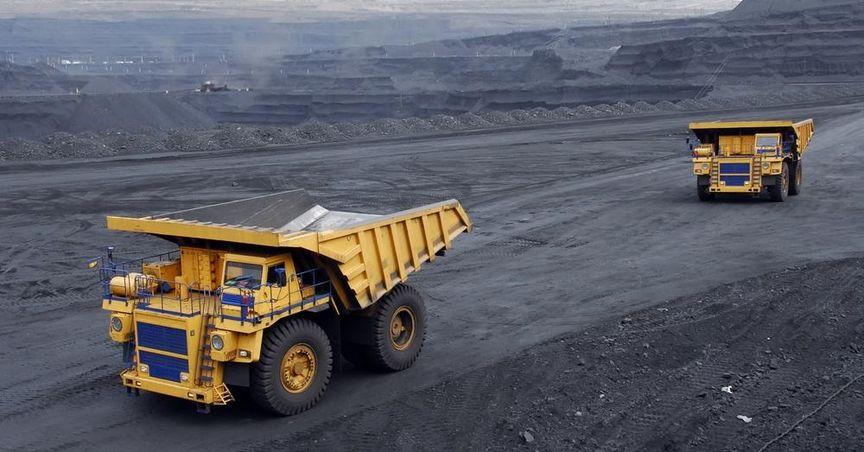
Whitehaven Coal’s operations encompass a portfolio of mining leases and production facilities geared toward serving both domestic and international consumers. The production profile includes the extraction, processing, and delivery of coal in forms suitable for a range of end uses. Operational considerations such as mine design, haulage logistics, export terminal access, and workforce management influence the company’s cost structure and financial performance.
The energy sector’s inclusion in mainstream equity benchmarks like the ASX 200 and All Ordinaries signals the continued relevance of traditional energy commodities within diversified capital markets. While sectors such as technology and renewable energy attract attention for structural innovation, traditional energy producers remain core assets within large indices due to their historical contribution to export revenue and domestic energy supply.
Credit ratings reflect not only the immediate financial profile of an entity but also how external conditions may influence the stability of cash flows. For coal producers, factors such as shipping costs, port capacity, and operational efficiency play roles in shaping the net cash position that underpins financial commitments.
Financial Framework and Capital Management Practices
A key aspect of any credit assessment is capital management. For a large coal producer, prudent capital allocation involves balancing operational reinvestment with the servicing of existing obligations. Companies operating substantial mining infrastructure often hold multiple tiers of debt, ranging from secured loans against specific assets to unsecured corporate debt instruments.
Financial planning within the energy sector emphasises the alignment of long-term liabilities with anticipated operational cash inflows. Liquidity management is central to this approach, alongside maintaining access to revolving credit facilities and capital market instruments that can be drawn upon during periods of heightened expenditure or market volatility.
Debt covenants, interest coverage ratios, and leverage measurements form part of the fabric that credit evaluators incorporate into their structured reviews. These metrics are contextualised relative to peers in the same industry, with adjustments for unique operational factors such as geographic diversification and commodity mix.
Whitehaven Coal’s recent credit rating update reflects a clear articulation of these financial practices, presenting a snapshot of how its structured financial framework interacts with the broader capital environment. Agencies consider not only historical performance but also forward-looking projections of cash flow sufficiency based on contractual commitments and scheduled maturities of liabilities.
Sector Dynamics and Index Representation
The energy sector’s representation in major equity indices underscores how traditional resource producers integrate into diversified capital markets. Within the All Ordinaries, energy companies share space with materials producers, industrial conglomerates, financial institutions, and consumer service providers. This composition reflects the varied economic drivers that influence domestic equity sentiment.
While some established corporations within the broader indices appear among recognisable ASX dividend stocks due to long histories of distribution to shareholders, credit rating updates focus on financial frameworks independent of shareholder return policies. Dividend distribution is a policy decision that reflects a corporation’s internal prioritisation of capital allocation but is not directly a component of credit evaluations.
Index representation for energy producers like Whitehaven Coal includes visibility for institutional and retail market participants. Sector contribution to index performance is influenced by commodity market dynamics, financial metrics reported in periodic financial statements, and macroeconomic conditions that shape energy demand cycles.
Indexes such as the ASX 200 incorporate a weighted mix of sectors to present a holistic view of the domestic equity landscape. Weighting is influenced by market capitalisation, trading liquidity, and sectoral representation norms established by index governance bodies. Energy sector companies contribute both to overall index weighting and to thematic representation of resources and industrial activity.
Credit ratings and index inclusion together offer a multi-dimensional picture of a company’s standing. While index membership demonstrates recognition within broader market frameworks, credit evaluations provide insight into how financial obligations are structured and can be serviced under dynamic conditions.
External Financial Frameworks and Industry Comparisons
Financial evaluation frameworks deployed by credit agencies incorporate both internal and external datasets. Internal datasets include audited financial statements, management assertion documents, and operational expenditure profiles. External datasets include macroeconomic projections, commodity market performance trends, and industry-wide financial benchmarks.
For a coal producer, comparisons with peers include assessments of leverage, interest coverage measures, cash flow volatility, and access to capital markets. These dimensions influence where a company sits within the comparative landscape of energy producers and industrial entities.
Coal producers face cyclical conditions derived from commodity demand shifts, international logistics considerations, and regulatory developments within key markets. Such conditions influence not only operational planning but also how external evaluators view the ability of a company to meet scheduled financial commitments.
Whitehaven Coal’s updated credit ratings provide a structured reflection of where the company stands relative to these variables. The review considers historical performance, balance sheet integrity, and the operational framework that drives revenue realisation and cost absorption.
In broader sector comparisons, energy producers with diversified commodity profiles may exhibit different financial contours than those focused on a single commodity type. Credit evaluations reflect these nuances without making implicit statements about market valuation or operational superiority. Instead, they focus on the financial architecture that supports ongoing obligations.
Capital Market Communication and Stakeholder Engagement
Credit rating updates form part of the broader set of communications that a company maintains with its stakeholders. These stakeholders include debt holders, capital market participants, regulatory bodies, and institutional custodians. The dissemination of credit evaluations is typically accompanied by explanatory commentary from the rating bodies that outlines the rationale behind the categorisation.
While these communications do not form part of a company’s core operational disclosures, they add to the context within which external observers understand a company’s financial positioning.
Within major indices such as the ASX 200 and the All Ordinaries, periodic disclosures cover operational metrics, financial statements, and governance commentary. Credit assessments complement these disclosures by offering a structured view of how financial commitments are framed relative to the operational cash flows of the entity.
In conclusion, without introducing recommendations or market calls, the updated credit ratings for Whitehaven Coal reflect a comprehensive external evaluation of its financial framework, balance sheet structure, and the mechanisms by which contractual obligations are managed. This update sits within the broader context of Australia’s energy sector representation in equity benchmarks and contributes to the multi-faceted picture of how resource companies operate within dynamic capital environments.
