
 AUS
AUS
 NZ
NZ
 UK
UK
 CA
CA
 USA
USA
 IND
IND





Highlights
Energy and mining strength underpinned a mildly higher market close
Technology weakness limited broader momentum during the session
Financials were steady as select company updates shaped trading tone
Australian shares ended modestly higher after a choppy day, with energy and mining strength supporting the close. Technology lagged, while mixed company updates shaped notable moves across sectors.
Australia’s sharemarket finished marginally higher after see-sawing through the session, with energy and raw materials providing crucial support while information technology weakened. In a market shaped by commodity moves and stock-specific updates, miners and energy producers helped steady the close, reinforcing how resource-linked leadership can keep sentiment constructive even when several sectors struggle. One standout referenced in the session’s energy-linked strength was Woodside Energy (ASX:WDS), a major Australian producer involved in oil and LNG operations. For broader context on local market coverage, the ASX stock market offers a wider lens on sector rotation and index trends.
Why did energy lead the market?
Energy stocks were among the strongest contributors as crude prices improved amid heightened supply concerns linked to overseas conflict. In practical terms, when oil prices firm, Australian producers and fuel-linked names often attract attention due to their direct exposure to energy pricing dynamics.
Key energy names mentioned during the session included:
-
Woodside Energy (ASX:WDS), a major oil and LNG producer with large-scale upstream assets
-
Santos (ASX:STO), an energy producer with gas and liquids operations across Australia and the region
These companies helped the sector provide a stabilising influence on the broader market close.
How did mining and materials support the index?
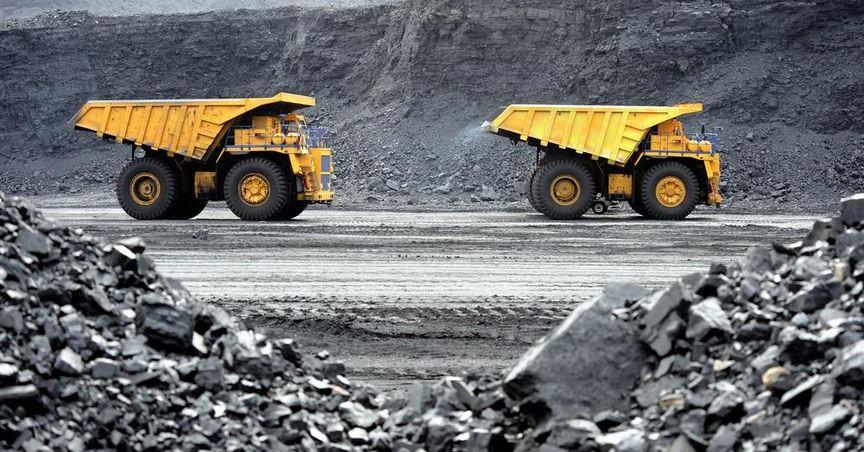
Mining strength added another layer of support as the market tracked broader commodity movements, including firmer iron ore pricing sentiment through the session. Large diversified miners tend to influence the benchmark meaningfully because of their scale and widespread ownership.
Key materials and mining names referenced included:
-
BHP Group (ASX:BHP), a diversified miner with significant exposure to iron ore and industrial commodities
-
Rio Tinto (ASX:RIO), a global miner spanning iron ore, aluminium, copper and other materials
Coal-linked names were also a notable theme.
-
Yancoal Australia (ASX:YAL), a coal miner and exporter tied to seaborne demand cycles
-
Whitehaven Coal (ASX:WHC), an Australian coal producer with export exposure
-
Stanmore Resources (ASX:SMR), a metallurgical coal producer linked to steelmaking supply chains
For extra sector framing that keeps the language general and informative, ASX mining stocks can help readers interpret why miners often drive index outcomes on commodity-led days.
Why did technology weigh on the session?
Information technology stocks lagged notably, limiting the market’s overall progress. This sort of divergence is common when investors become cautious around growth valuations, global rate expectations, or risk appetite. Even if the overall market closes slightly higher, tech can still underperform when leadership shifts toward more cyclical or commodity-linked sectors.
What happened in financials and banking?
Financial stocks were close to steady overall, with bank moves mixed. Major lenders often reflect investor mood toward the domestic economy, funding conditions, and broader risk sentiment.
Key bank names referenced included:
-
National Australia Bank (ASX:NAB), a major Australian bank focused on retail and business services
-
Commonwealth Bank of Australia (ASX:CBA), a large retail and institutional bank with broad domestic reach
-
ANZ Group (ASX:ANZ), a bank with consumer and institutional operations across Australia and the region
-
Westpac Banking Corporation (ASX:WBC), a major bank with a wide retail and business footprint
The drift in financials suggested stability rather than a strong directional push.
Which company updates influenced the day’s standout moves?
Why did instalment-payment providers weaken?
Instalment-payment companies faced heavy pressure after a regulatory inquiry overseas added uncertainty to the sector’s operating environment. The key name referenced was:
-
Zip Co (ASX:ZIP), a digital payments and instalment-based provider exposed to regulatory shifts and consumer credit cycles
Why did defensive technology names remain volatile?
Market attention also stayed on:
-
DroneShield (ASX:DRO), a defence technology company developing counter-drone systems, which continued a weaker run amid heightened sensitivity to market confidence and recent shareholder concerns
What impacted Collins Foods?
-
Collins Foods (ASX:CKF), a quick-service restaurant operator, slipped despite reporting stronger trading conditions, with sentiment influenced by company-specific provisions and operational updates
Why did the market operator recover?
-
ASX Limited (ASX:ASX), the exchange operator, improved after a prior session disruption, showing how single-event operational issues can sway sentiment day-to-day
What does this session suggest about broader market tone?
The close pointed to a market that remained selective. Resource and energy themes provided the backbone of support, while technology weakness and stock-specific concerns in some consumer and growth names restrained broader enthusiasm. This type of finish often signals that investors are looking for durability and pricing power rather than pursuing higher-risk exposures across the board.
For broader snapshots beyond the main benchmark, readers often consider ASX 100 and ASX ordinaries stocks to understand whether strength is concentrated in the largest names or spread more widely. Income-oriented readers may also track ASX dividend stocks for defensively positioned areas during mixed sessions.
