
 AUS
AUS
 NZ
NZ
 UK
UK
 CA
CA
 USA
USA
 IND
IND





Highlights
Perenti Limited is part of the materials-services sector and is included in both the ASX 300 and the All Ordinaries.
The company operates across contract mining, drilling, equipment services and global deployment across multiple regions.
Debt structure, asset intensity and operational scale define the company’s financial footprint within the Australian equity landscape.
Perenti Limited, part of the ASX 300 and All Ordinaries, operates a global mining-services model shaped by heavy equipment, drilling operations and capital-intensive service deployment.
The materials-services sector plays an essential role across the global resource economy, providing contract mining, drilling, equipment deployment and operational support to mining companies. Perenti Limited stands within this segment, delivering specialised services that reinforce the functioning of extraction industries. As a participant in the ASX 300 and also included in the All Ordinaries, the company forms part of two major Australian market indices that track diverse listed enterprises across sectors. Its operational design positions it within the broader context of service providers supporting resource development and mining-related activity across different geographies.
Perenti Limited (ASX:PRN) functions as a mining-services provider with operations spanning underground mining, surface mining, contract-drilling, equipment-hire services and machine-rebuild activities. Its business integrates physical equipment, specialised personnel, engineering processes and logistics to deploy large-scale mining support services. The company’s long-standing presence in the global contract-mining landscape has shaped a service portfolio involving machine fleets, technical expertise, mobilised workforces and deep operational knowledge across remote mining regions.
Perenti’s connection to the Australian resource ecosystem is significant. Though the company does not produce commodities itself, it forms an integral part of the infrastructure enabling mining operations to proceed efficiently. Contract mining involves excavation, haulage, drilling, blasting, development, fleet operation and ore movement. Supporting this process requires advanced machinery, coordinated personnel and region-specific adaptation. As the mining industry continues to evolve, mining-services providers play a crucial intermediary role between resource owners and the operational realities of mining projects.
The array of equipment, transportation systems, drilling services, refurbishment workshops and engineering support embedded within Perenti’s model reflects the scale of the company’s operations. These aspects also contribute to its elevated asset intensity, long-term contractual commitments and capital-financing obligations. Heavy machinery fleets, underground mining equipment, long-haul trucks and drill rigs all demand significant capital input and maintenance cycles.
Operational conditions in the mining-services sector often require providers to maintain high levels of machine uptime, dependable staffing, efficient logistics and consistent service delivery under challenging geographic and climatic environments. For Perenti, these conditions shape its financial structure, operational focus, cost-management framework and strategic resource allocation.
Global Operations, Contract Mining Structure and Drilling Services
Perenti’s operational footprint spans multiple continents, providing mining-support services to resource owners. Its presence in remote regions positions the company at the centre of large-scale mining environments, where underground and surface mining activities demand complex coordination and technical precision.
Contract Mining
Contract mining encompasses a broad suite of tasks that are central to ore extraction. These activities include:
-
Underground mine development
-
Ore extraction and haulage
-
Surface mining operations
-
Fleet deployment and coordination
-
Drilling and blasting activities
-
Site infrastructure development
-
Workforce and logistics management
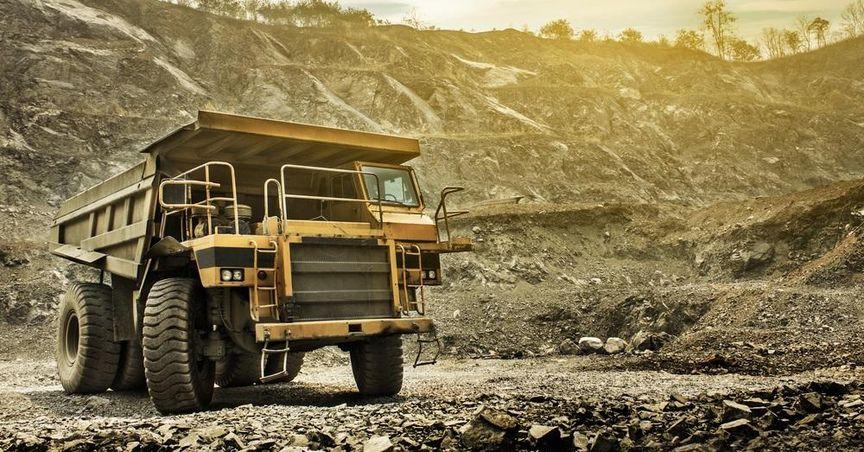
Each of these services requires machinery, technical personnel, engineering expertise and continual oversight. The company’s fleet includes underground loaders, long-hole drill rigs, haul trucks, mobile equipment and transportation vehicles. These asset types require frequent maintenance and scheduled overhauls, particularly when operating under high-stress conditions typical of underground mining.
Drilling Services
Drilling services form another core component of Perenti’s business model. Drilling contracts often involve:
-
Diamond core drilling
-
Reverse circulation drilling
-
Grade-control drilling
-
Blast-hole drilling
-
Exploration drilling
-
Deep-hole drilling across variable geological formations
Drilling programs rely on specialised rigs, trained operators, geotechnical knowledge, sample-handling capability and field logistics. The complexity of drilling operations can vary substantially depending on geology, climate, mine depth and logistical challenges associated with remote regions.
Equipment Hire and Rebuild Services
Beyond mining and drilling, Perenti also maintains machine-rebuild and equipment-hire services. Machine-rebuild workshops perform:
-
Overhauls of heavy trucks
-
Repairs of underground loaders
-
Maintenance of drill rigs
-
Engine and hydraulic system refurbishments
-
Structural reinforcement for ageing equipment
-
Testing and diagnostics for machine reliability
These services ensure machinery remains functional and compliant with safety and performance standards across ongoing mining programs.
Equipment hire contributes another layer of operational support, allowing mining operators to source specialised machinery without purchasing capital-intensive assets outright. Hire fleets typically include haul trucks, loaders, drilling rigs, underground vehicles, ancillary equipment and logistical support units.
Asset Intensity, Capital Allocation and Debt Structure
Perenti operates an asset-heavy model that relies on sustained investment in mining equipment, servicing facilities, spare-parts inventories, remote logistical infrastructure and fleet maintenance programs. High levels of fixed assets on the balance sheet reflect substantial financial commitments across machinery, property and technical infrastructure.
Debt Structure and Financial Position
Perenti’s debt framework includes term loans, equipment-financing arrangements, leases and revolving credit facilities. These forms of financing are common in mining-services due to:
-
The cost of acquiring heavy machinery
-
Refurbishment requirements
-
Remote deployment and logistics
-
Workforce housing and transportation
-
Global equipment distribution
-
Fleet mobilisation and demobilisation
The company’s debt-to-equity ratio has historically been moderate-to-high, reflecting the capital-intensive nature of its business. Debt metrics place Perenti above typical asset-light service providers and more comparable to engineering, mining-support and equipment-services enterprises that require continual access to capital resources.
A general characteristic of mining-services companies is the presence of substantial depreciation and amortisation charges due to equipment fleets. These charges influence reported earnings and underscore the long-term cost of maintaining operational capability across regions.
Working Capital Factors
Working capital dynamics for Perenti involve:
-
Receivables linked to contract mining
-
Payables involving suppliers and equipment vendors
-
Inventories of spare parts
-
Prepayments for mobilisation
-
Contract-related cash flow cycles
Service-contract payment terms in the mining industry can vary, and mining-services providers often manage receivables from resource owners, contractor agreements and staged payments tied to project milestones.
Cash Flow Characteristics
Operating cash flows depend on:
-
Contract duration
-
Equipment utilisation
-
Workforce deployment efficiency
-
Effective scheduling of maintenance cycles
-
Geographic conditions
-
Cost-control measures
-
Input cost variability
Because capital equipment consumes substantial cash over its life cycle, free-cash-flow generation can fluctuate as equipment is purchased, rebuilt or redeployed. Asset turnover and utilisation improvement remain central to strengthening financial flexibility.
Operations Across Mining Regions and Global Service Delivery
Mining-services providers frequently operate in volatile environments shaped by commodity cycles, site-specific constraints and international conditions. Perenti’s geographic diversity provides broad exposure to different mining markets, workforce requirements and regulatory frameworks.
Remote Deployment
Remote mining regions often require:
-
Transport of machinery
-
Onsite assembly and calibration
-
Accommodation for crews
-
Energy supply management
-
Maintenance workshops
-
Secure storage of equipment
-
Health and safety oversight
These factors influence service-delivery timelines, operational readiness, equipment integrity and cost structures.
Regulatory and Compliance Requirements
Across markets, regulations govern:
-
Environmental practices
-
Worker safety
-
Machinery standards
-
Blasting procedures
-
Underground operations
-
Reporting obligations
Compliance forms a core pillar of operational strategy, influencing workforce training, equipment preparation and procedural documentation.
Labour and Workforce Management
The mining-services sector relies heavily on:
-
Skilled underground miners
-
Surface mining crews
-
Mechanical specialists
-
Drillers and rig operators
-
Engineering personnel
-
Project managers
-
Site supervisors
Labour deployment affects cost stability, productivity and service reliability.
Contract Renewal and Client Relationships
Mining-services contracts can extend over multi-year periods, depending on mine development and operational needs. Long-duration contracts assist in maintaining equipment utilisation, workforce consistency and stable operational planning.
Industry Landscape, Sector Positioning and Index Inclusion
The mining-services industry sits within the broader materials segment of the Australian market. Companies in this category support extraction, processing, logistics and mine-site management. Perenti occupies a central place within this segment due to its global operating scale and depth of service capabilities.
Index Placement
Perenti Limited is included in:
-
The ASX 300 — representing larger and mid-cap listed companies
-
The All Ordinaries — representing the broadest index of Australian listed companies
These two placements reflect the company’s size, liquidity and relevance within the Australian equity market.
Sector Relevance
Mining-services companies typically operate adjacent to ASX mining stocks, supporting extraction activities without engaging directly in commodity production. They play a foundational role in:
-
Mine expansion
-
Development drilling
-
Underground construction
-
Surface mining logistics
-
Engineering and technical operations
Their economic relevance is deeply tied to mining activity levels, resource-owner spending and project timelines.
Market Behaviour
As a part of the ASX stock market, Perenti’s operational performance contributes to broader sectoral dynamics. Observers track:
-
Contract backlogs
-
Equipment modernisation
-
Fleet utilisation
-
Workforce efficiency
-
Machinery-replacement cycles
-
Maintenance scheduling
Mining-services entities often balance operational demands with financing obligations, particularly when servicing high-value equipment fleets. Companies with heavy asset commitments commonly prioritise reinvestment over high-yield distribution patterns. This may place businesses like Perenti outside categories traditionally associated with ASX dividend stocks, although distribution decisions depend on internal policy, cash-flow cycles and strategic direction.
