
 AUS
AUS
 NZ
NZ
 UK
UK
 CA
CA
 USA
USA
 IND
IND

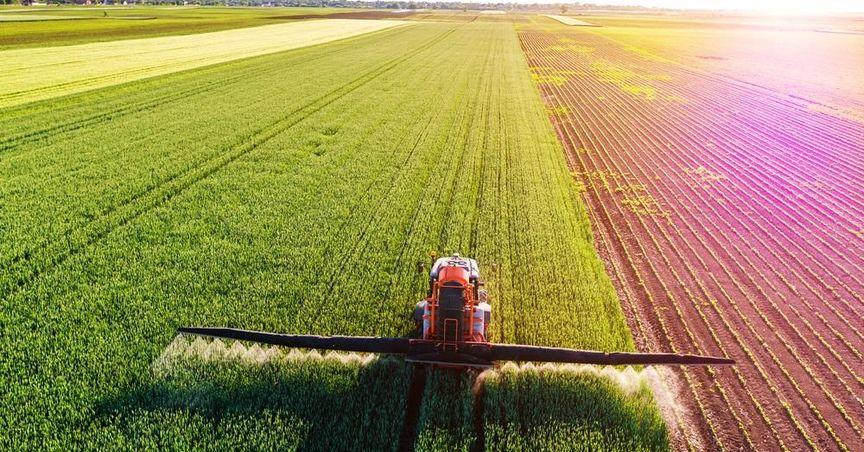





Highlights
Nufarm continued development across crop protection and seed technologies.
Agricultural solutions remained central to operational activities.
Agribusiness sector reflected ongoing demand for farming inputs globally.
Nufarm advanced crop protection and seed technologies, contributing to agricultural sector activity within ASX 300 and All Ordinaries indices.
The agricultural and chemicals sector plays a key role within the Australian equity landscape, contributing to indices such as the ASX 300 and the All Ordinaries. Companies operating in this segment focus on delivering crop protection products, seed technologies, and agricultural solutions that support farming systems worldwide. This sector reflects ongoing demand for efficient agricultural inputs and evolving farming practices.
Within this environment, agribusiness companies develop products designed to enhance crop resilience and productivity. These include herbicides, fungicides, and seed innovations tailored to different climates and crop types. The broader sector demonstrates consistent activity as agricultural systems adapt to environmental and operational challenges.
Nufarm Limited (ASX:NUF) operates within this framework, focusing on crop protection and seed technologies. The company’s activities align with broader sector developments where agricultural inputs remain essential to global food supply chains. This positioning reflects the importance of agribusiness companies within the Australian market structure.
Crop Protection Products and Operational Framework
Crop protection products form a central component of agribusiness operations. These products are designed to manage weeds, pests, and diseases that can impact agricultural output. The development and application of such solutions support farmers in maintaining crop health across various regions.
The company’s product portfolio includes a range of agricultural chemicals developed to address specific farming requirements. These solutions are utilised across multiple markets, reflecting the global reach of agribusiness operations. The integration of crop protection products within farming practices highlights their significance in modern agriculture.
Demand for these products is influenced by factors such as seasonal conditions, crop cycles, and regional agricultural practices. Companies operating in this segment adapt their offerings to align with these variables, contributing to ongoing sector activity.
Operational processes within crop protection involve research, regulatory compliance, and distribution. These elements ensure that products meet industry standards while supporting effective usage in agricultural systems.
Seed Technologies and Agricultural Innovation
Seed technologies represent an evolving area within the agricultural sector, focusing on improving crop performance through advanced breeding and research initiatives. These developments contribute to enhancing crop resilience and adaptability under varying environmental conditions.
The company’s involvement in seed technologies reflects its focus on expanding beyond traditional crop protection solutions. These initiatives support the development of crops suited to different climates and farming practices, contributing to agricultural efficiency.
Innovation within this segment often involves collaboration with agricultural experts and research institutions. These partnerships enable the development of solutions aimed at addressing global food production challenges. The integration of research-driven initiatives highlights the importance of innovation within agribusiness operations.
The role of seed technologies within agriculture underscores the ongoing evolution of farming practices. Companies engaged in this area contribute to improving productivity and sustainability within agricultural systems.
Global Market Presence and Agricultural Demand
Agribusiness companies operate across international markets, adapting their products to regional conditions and regulatory frameworks. The company’s operations extend across multiple regions, reflecting its participation in global agricultural supply chains.
The global nature of the agricultural sector requires companies to tailor their solutions to diverse environments. This includes addressing variations in climate, soil conditions, and crop types. Such adaptability supports continued engagement across international markets.
The company’s operational reach highlights its ability to support farming systems worldwide, contributing to agricultural productivity. This presence reinforces its role within the broader agribusiness sector.
The interaction between global demand and agricultural operations reflects the complexity of the sector. Companies must align their strategies with both local requirements and global trends to maintain relevance within the market.
Broader Market Trends Within All Ordinaries Framework
The Australian equity market reflects a diverse composition of sectors, including agriculture, materials, healthcare, and financials. Companies operating within these sectors contribute to overall activity within the All Ordinaries, highlighting the interconnected structure of the market.
Agribusiness companies play an important role within this framework, supporting food production and supply chains. Their activities contribute to economic stability and sector-wide engagement, reflecting the importance of agriculture within the global economy.
The broader ASX All Ords index captures activity across a wide range of companies, including those outside the largest benchmarks. This perspective highlights the role of mid-sized and smaller companies alongside major entities within the market.
Dividend-oriented entities also contribute to the market landscape, with companies categorized under ASX dividend stocks representing another segment of the equity framework. While agribusiness companies focus on operational development, dividend-focused entities contribute to income-oriented exposure.
The interaction between sectors highlights the complexity of the Australian equity environment, where multiple industries contribute to overall activity. Agribusiness companies remain integral to this structure, supporting the advancement of agricultural systems.
