
 AUS
AUS
 NZ
NZ
 UK
UK
 CA
CA
 USA
USA
 IND
IND




Highlights
Defence sector companies reflect evolving security and technology demand.
Defence technology integrates surveillance, detection, and response systems.
Market activity highlights sector participation across infrastructure and security.
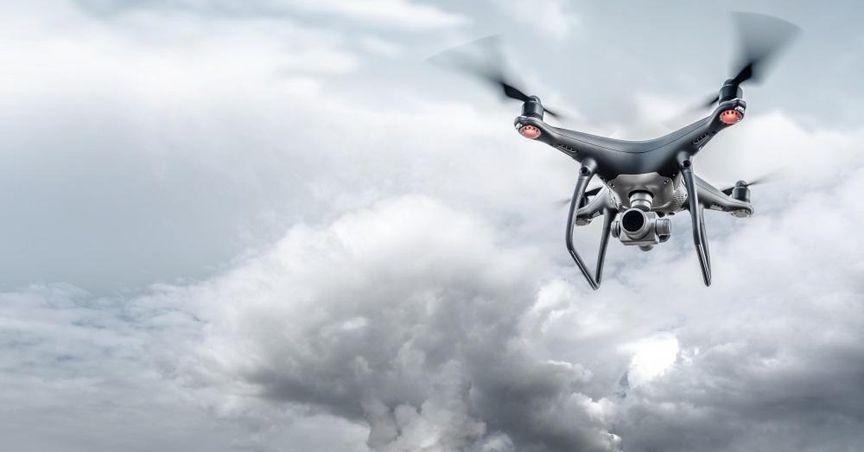
DroneShield reflects defence sector activity within ASX All Ords, highlighting counter-drone technology, security infrastructure integration, and global trends in advanced defence systems.
The defence and security technology sector within the ASX All Ords includes companies engaged in surveillance systems, detection technologies, and protective infrastructure. These entities contribute to national security frameworks and global defence ecosystems through the development of specialised solutions designed to address evolving operational environments.
DroneShield Limited (ASX:DRO) operates within this sector, focusing on counter-drone technologies designed to detect, track, and mitigate unauthorised aerial systems. The company’s solutions are deployed across defence, critical infrastructure, and public safety environments, reflecting the increasing integration of technology into security systems.
The inclusion of defence technology companies within the broader market highlights the relevance of security-focused innovation. These businesses operate at the intersection of hardware and software development, enabling advanced capabilities in monitoring and threat response.
Defence sector participation reflects broader developments in geopolitical environments and infrastructure protection requirements. Companies in this space align their activities with regulatory standards and operational needs associated with security systems.
Counter-Drone Technology And Security Applications
Counter-drone technology has become a significant component of modern defence systems, addressing the growing presence of unmanned aerial devices in both civilian and military contexts. DroneShield develops solutions that integrate detection, identification, and mitigation capabilities to manage these systems.
The technology involves radio frequency sensors, artificial intelligence-driven analytics, and electronic countermeasures. These components work together to identify drone activity and enable appropriate response mechanisms within controlled environments.
Applications of counter-drone systems extend across military bases, airports, government facilities, and public venues. These systems contribute to maintaining secure environments where aerial monitoring and intrusion prevention are essential.
The development of such technologies reflects the broader shift toward automated and data-driven defence systems. Integration of advanced analytics allows for real-time monitoring and enhanced situational awareness.
Within the broader ASX dividend stocks, defence companies exist alongside traditional sectors, highlighting the diversity of market representation across income-focused and technology-driven entities. The adoption of counter-drone systems underscores the importance of specialised solutions in addressing emerging security challenges across multiple environments.
Defence Sector Dynamics And Industry Participation
The defence sector encompasses a wide range of activities, including equipment manufacturing, software development, and system integration. Companies operating within this space engage with government agencies, infrastructure providers, and commercial entities.
DroneShield’s operations reflect participation within this ecosystem, where technology solutions are developed to meet specific security requirements. These solutions are integrated into broader defence frameworks, supporting both domestic and international operations.
Industry participation involves collaboration between technology developers, system integrators, and regulatory bodies. These interactions ensure that defence solutions align with operational standards and compliance requirements.
Within the ASX 200, larger defence-related companies operate alongside smaller entities, creating a layered market environment. This structure reflects the presence of both established and specialised firms within the sector.
Defence sector dynamics are influenced by technological advancements, regulatory developments, and infrastructure requirements. Companies adapt their operations to align with these factors, ensuring continued participation in the industry. The presence of defence technology companies highlights the role of innovation in shaping modern security systems and operational frameworks.
Market Representation And Small Cap Participation
Small-cap companies within the defence sector contribute to market diversity by offering specialised products and services. DroneShield represents this segment through its focus on counter-drone technology and security solutions.
The inclusion of small-cap entities within the broader market reflects the importance of niche industries in supporting overall economic activity. These companies often operate in targeted segments, providing solutions tailored to specific requirements.
Within the ASX 300, small-cap companies complement larger organisations by contributing innovation and specialised expertise. This interaction enhances the representation of diverse industries within the market.
Market representation across different company sizes highlights how various sectors contribute to the overall equity landscape. Small-cap firms play a role in reflecting emerging technologies and evolving industry trends.
The participation of defence-focused companies within this segment underscores the relevance of security solutions in modern infrastructure and operational systems. The integration of small-cap companies into the broader market framework demonstrates the layered structure of the equity environment.
Global Security Trends And Technology Integration
Global security trends influence the development and deployment of defence technologies. The increasing use of unmanned systems, digital platforms, and automated processes has shaped the demand for advanced security solutions.
DroneShield’s operations reflect alignment with these trends, focusing on technologies that address evolving challenges in aerial security. The company’s solutions integrate with broader defence systems, supporting infrastructure protection and operational efficiency.
Technology integration within the defence sector involves combining hardware components with software platforms to create comprehensive security systems. These systems enable detection, monitoring, and response capabilities across various environments.
Global participation within the defence sector includes governments, private organisations, and technology providers who engage with security solutions at different levels. These interactions contribute to the development and deployment of advanced systems.
The interconnected nature of global security systems highlights the importance of technology-driven solutions in addressing modern challenges. Companies operating in this space contribute to the evolution of defence infrastructure through innovation and integration.
Advancements in communication, data processing, and artificial intelligence continue to shape the defence sector, enabling more sophisticated approaches to security management.
