
 AUS
AUS
 NZ
NZ
 UK
UK
 CA
CA
 USA
USA
 IND
IND




Highlights
- ConocoPhillips drew attention as crude surged on renewed strikes tied to Iran.
- Disruption near the Strait of Hormuz put energy costs back in sharp focus.
- The company's focus on exploration and extraction shaped how it is described.
ConocoPhillips steps into focus as crude jumps on renewed strikes tied to Iran and disruption near the Strait of Hormuz, lifting exploration-focused energy names against a cautious market.
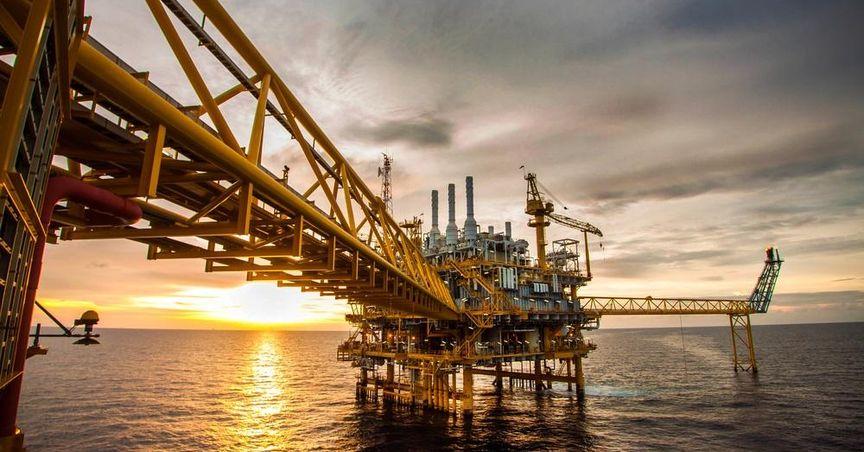
ConocoPhillips (NYSE:COP) stepped into the spotlight as crude prices surged during the session, driven by renewed strikes tied to the standoff with Iran and mounting disruption near the Strait of Hormuz. That waterway carries a substantial share of the world's seaborne crude, and any threat to its flow tends to ripple quickly through energy markets. As a constituent of the S&P 500, and one of the largest companies focused on the exploration and extraction of oil and gas, ConocoPhillips became a natural reference point for commentary about how businesses closely tied to crude prices might respond to a sudden jump. While the broader tape pulled back amid a cautious mood and a crowded reporting calendar, energy names stood apart, lifted by the move in crude. The surge placed the spotlight on producers whose fortunes track the price of oil, and ConocoPhillips, given its scale and concentrated exposure to extraction, remained at the center of market attention throughout the session.
What The Company Does
ConocoPhillips concentrates on the upstream side of the energy world, exploring for and extracting crude and natural gas across a wide span of regions. Unlike the fully integrated names that also refine and distribute fuels, the company focuses its efforts on bringing oil and gas to market, which gives it a more direct exposure to the price of crude. Its operations span conventional and unconventional resources, from onshore fields to more complex developments, and it manages a broad base of producing assets across geographies. Because its activity centers on extraction, the company's cadence tends to move closely with the price of oil and gas, strengthening when crude climbs and facing pressure when prices soften. That concentrated exposure to the upstream side has long defined how observers describe the company and its distinctive place within the energy arena through periods of calm and turbulence alike across the global market.
How Upstream Producers Fit The Wider Market
Upstream producers occupy a distinctive place in the energy world, focusing on the extraction of crude and natural gas rather than the refining and distribution that define integrated names. Because their activity centers on bringing oil and gas to market, they tend to move especially closely with the price of crude, standing apart during periods of rising oil. A sudden jump, such as the one driven by disruption near the Strait of Hormuz, tends to lift these names as participants weigh the effect on the value of reserves and the economics of extraction. At the same time, higher energy costs ripple outward into the wider economy, lifting prices for goods and services and feeding into the pressures that central banks weigh. That direct link to the price of crude gives upstream producers a sharp sensitivity to energy markets, and ConocoPhillips featured prominently as the session turned on the surge in oil.
Crude Surges On Hormuz Disruption
The defining event of the session was the sharp move in crude, set off by renewed strikes tied to the standoff with Iran and mounting disruption near the Strait of Hormuz. That narrow waterway serves as a critical artery for seaborne crude, and any threat to its passage tends to send tremors through energy markets. As prices jumped, energy names stood apart from a broader tape that had turned cautious, lifted by the prospect of firmer crude. For a producer such as ConocoPhillips, whose activity centers on extraction, a surge in oil tends to lift the value of its output directly, since the barrels it brings to market grow more valuable as prices climb. The move placed the spotlight squarely on the energy sector, reminding the market how quickly geopolitical tension can reshape the landscape for oil and gas and for the companies whose fortunes are bound to the price of crude during moments of heightened global strain.
A Focus On Exploration And Extraction
The concentrated focus on exploration and extraction sits at the heart of ConocoPhillips and its exposure to the price of crude. By centering its efforts on bringing oil and gas to market rather than refining or distribution, the company ties its cadence closely to the movement of energy prices. When crude surges, as it did during the session, the economics of its output tend to strengthen directly, since the barrels it produces command higher prices. That sharp sensitivity explains why upstream producers often stand apart during periods of rising oil, drawing attention as the price backdrop shifts. Yet the extraction business also carries the demands of managing large, long-lived assets and navigating the swings that define energy markets. The balance between the reward of firmer crude and the discipline required to manage extensive operations forms a central thread in how the company is characterized across cycles.
Managing A Broad Resource Base
ConocoPhillips manages a broad base of producing assets spread across many regions, spanning conventional fields and more complex developments. That geographic and operational diversity gives the company a varied foundation, spreading its activity across resources that respond to different conditions. Managing such a base brings its own demands, from the discipline of allocating effort across projects to the task of navigating the swings that define energy markets. A diversified resource base can lend a measure of balance, since not all assets move to the same rhythm, yet the company's concentrated focus on extraction keeps its overall exposure closely tied to the price of crude. On a session defined by surging oil, the breadth of the company's resource base drew attention as a defining feature of how it navigates shifts in the energy landscape across cycles of calm and turbulence alike throughout the broader market.
Geopolitics And Energy Security
The session underscored how closely energy markets are tied to geopolitics. The disruption near the Strait of Hormuz, set off by renewed strikes tied to the standoff with Iran, served as a stark reminder that the flow of crude can be reshaped quickly by tension in key regions. That dynamic places energy security at the center of the conversation, since the world relies on a handful of critical waterways and producing regions for much of its oil. For a producer such as ConocoPhillips, with operations spread across many geographies, the geopolitical backdrop shapes both the price environment and the conditions under which it operates. The surge in crude illustrated how swiftly events far from the market can move the price of oil, and how energy names tend to respond when the security of supply comes into question during moments of heightened tension across the globe and the broader energy landscape.
Competitive Landscape
ConocoPhillips contends with a mix of large upstream producers and integrated energy companies, along with a wide array of smaller firms focused on particular basins. Competition plays out across exploration acreage, the quality of resource bases, and the discipline with which companies manage their extraction operations. The firm's scale and concentrated focus on the upstream side give it a prominent place in this contest, though the field is fiercely competitive and shaped by the swings of energy prices. A surge in crude can reshape the terms of that competition, lifting the value of reserves and altering the calculus across the sector. The competitive picture forms an important part of how the company is framed, since its standing among the largest producers shapes the conversation whenever the market turns its gaze toward oil and gas during a demanding and closely watched session such as the one framing this surge.
Industry Challenges And The Energy Transition
The energy sector navigates a demanding landscape shaped by price swings, geopolitics, and the broader shift in how the world produces and consumes energy. Upstream producers face the ongoing task of managing extensive operations through the volatility that defines crude, while also weighing the longer arc of changing energy demand. The push toward lower-carbon sources adds another layer, prompting many energy names to explore new approaches alongside their traditional activities. Geopolitical tension, such as the disruption near the Strait of Hormuz, compounds the picture by reshaping the price environment in sudden and unpredictable ways. Navigating those crosscurrents is a defining feature of the sector, and it forms part of the wider story surrounding names such as ConocoPhillips whenever the market turns its attention toward energy during an eventful stretch marked by many overlapping pressures at once across the globe.
Where ConocoPhillips Sits Among Energy Names
Within the broad universe of oil and gas stocks, ConocoPhillips occupies a distinctive place as a company focused on exploration and extraction rather than the full arc of refining and distribution. Unlike the integrated names, it ties its cadence closely to the price of crude, which gives it a sharper sensitivity to moves in oil. That focus shapes how the company is discussed, since its fortunes track the price of the barrels it brings to market. On a session defined by surging oil and heightened geopolitical tension, the distinction mattered, since a move in crude tends to reach a concentrated producer directly. Market watchers often point to that focus when describing why the firm tends to feature prominently in conversations about energy during turbulent and closely watched sessions where the price of oil moves sharply and sentiment turns on the security of global supply across the sector.
Recent Developments And Operational Focus
The recent stretch has kept upstream producers close to the center of market conversation, as geopolitical tension and swinging crude prices reshape the landscape. Companies across the field have continued to sharpen how they manage their resource bases, balancing the discipline required for long-lived assets against the swings that define energy markets. For ConocoPhillips, the emphasis on managing a broad and varied base of producing assets has become a recurring theme in how the company is described. That operational focus reflects a wider pattern across upstream names, where careful allocation of effort across projects lends a measure of steadiness against the volatility of crude. On a session defined by surging oil and disruption near the Strait of Hormuz, the company's concentrated focus offered a reminder that upstream energy continues to navigate a fast-changing world through cycles of calm and turbulence alike across the global market and the broader tape.
Sector Trends Worth Watching
Several trends continue to shape the energy sector as it moves through an unsettled period. Geopolitical tension keeps the security of supply firmly in view, while the longer arc of changing energy demand prompts producers to weigh new approaches alongside their traditional activities. Swings in crude prices, driven by events such as the disruption near the Strait of Hormuz, ripple outward into the wider economy, lifting costs and feeding into the pressures that central banks weigh. Taken together, these threads point to a sector tightly bound to both geopolitics and the broad rhythms of global demand. For a name such as ConocoPhillips, those trends form the backdrop against which the company is discussed during demanding and closely watched market sessions like this one, where the price of oil moves sharply and energy names stand apart from a broader tape that has turned cautious across the session and the market.
Market Environment And Broader Context
The broader environment framing the session extended well beyond the energy sector itself. A firmer central-bank stance, a cautious mood across equities, and a crowded reporting calendar all combined with the surge in crude to shape a complex backdrop. Rising energy costs feed directly into the pressures that policymakers weigh, since dearer oil tends to lift the cost of goods and services across the economy. That connection places energy names at the center of a wider conversation about how cost pressures ripple through the market. Against that backdrop, the sector stood apart from a tape that had otherwise turned cautious, a reminder of how energy can move to its own rhythm when geopolitics reshapes the price of crude. The interplay between the surge in oil and the wider market underscored how a single sector can become the focal point of a session defined by many overlapping forces at once across the broader tape.
Broader Market Relevance
Taken together, the session illustrated how swiftly geopolitics can reshape the energy landscape. A surge in crude, driven by renewed strikes tied to the standoff with Iran and disruption near the Strait of Hormuz, lifted energy names even as the broader tape turned cautious ahead of a crowded reporting calendar. ConocoPhillips (NYSE:COP), as one of the largest upstream producers, offered a lens on how companies bound closely to the price of crude respond when oil jumps and the security of supply comes into question. Its concentrated focus on exploration and extraction places it at an intersection where geopolitics, crude prices, and broader economic pressure all converge. For anyone tracking the energy part of the market, the company's place within the session served as a reminder that oil and gas remain tightly bound to events far beyond the market, and that producers often move sharply when global tension flares.
