
 AUS
AUS
 NZ
NZ
 UK
UK
 CA
CA
 USA
USA
 IND
IND





Highlights
- ConocoPhillips focuses on exploration and production.
- Crude markets remain shaped by supply signals.
- Upstream discipline defines the company’s strategy.
ConocoPhillips highlights how upstream producers navigate crude cycles, supply signals, and resource discipline.
ConocoPhillips (NYSE:COP), a major American exploration-and-production company, remains closely watched as crude and natural gas markets respond to geopolitical signals, supply shifts, and changing demand expectations. As part of the S&P 500, the company reflects how an upstream-focused energy producer navigates a cyclical market where resource quality, operating discipline, and production efficiency remain central to the business story.
Upstream Production Model
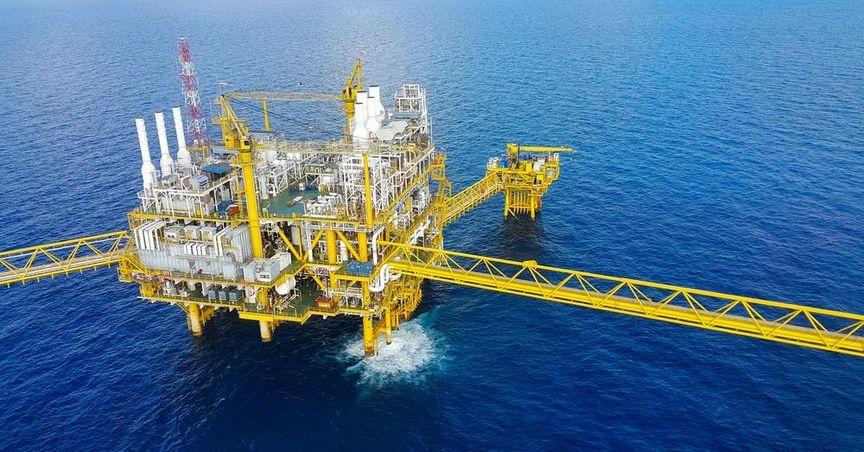
ConocoPhillips operates with a clear upstream identity. Its business is built around exploration and production, meaning it concentrates on discovering energy resources and bringing them into production across key operating regions.
This model gives the company a focused profile within the broader energy landscape. Instead of spreading across refining or fuel retail operations, the business remains centered on crude and natural gas production.
That focus brings both strength and exposure. It allows the company to build deep technical knowledge in geology, drilling, reservoir management, and field development. At the same time, it keeps the business closely linked to movements in oil and gas stock prices.
For an upstream producer, production quality matters as much as production scale. Strong assets, efficient wells, disciplined spending, and careful project planning can shape long-term resilience. The company’s ability to manage these areas defines its position in the market.
Commodity Market Exposure
The upstream model means ConocoPhillips is highly connected to commodity market cycles. When crude and gas markets shift, exploration-and-production companies often feel the impact quickly because their main products are directly tied to market pricing.
Geopolitical developments can also influence sentiment across the sector. Supply signals from major producing regions, inventory trends, and demand expectations often affect crude markets and influence how upstream producers are viewed.
This environment requires discipline. A producer focused on exploration and production must manage costs carefully, maintain asset quality, and avoid relying only on favourable commodity conditions. The strongest upstream operators are often those that can continue executing through both supportive and challenging periods.
ConocoPhillips’ story is therefore not just about commodity prices. It is also about how the company manages its resource base, allocates capital, and keeps operations efficient through market cycles.
Resource Base Strategy
A strong resource base sits at the center of any upstream producer’s long-term strategy. For ConocoPhillips, the ability to identify, develop, and maintain quality producing assets remains essential.
Exploration and production businesses depend on long-term field planning. The process begins with understanding geology, assessing resource quality, and determining whether development can be carried out efficiently. Once assets enter production, ongoing management becomes critical.
This strategy requires technical expertise and operational discipline. A producer must decide where to invest, how quickly to develop resources, and how to balance output with long-term field performance.
The broader upstream industry rewards companies that manage resources carefully. In a cyclical market, discipline can matter as much as growth. Producers that maintain cost control and resource quality may be better positioned to navigate changing crude and gas conditions.
Operating Discipline Matters
Operating discipline is one of the defining features of an upstream-focused business. Since commodity prices can move sharply, companies must manage costs, project timing, and development priorities with care.
ConocoPhillips’ upstream focus places constant attention on field productivity, drilling efficiency, and portfolio management. These areas influence how effectively the company can convert its resource base into durable production.
The energy sector has seen repeated cycles, and each cycle reinforces the importance of cost control. Producers that remain disciplined during stronger markets may be better prepared when conditions become more difficult.
This discipline also helps explain why upstream specialists differ from integrated energy companies. Without refining or retail operations to balance exposure, exploration-and-production companies must rely more heavily on efficient operations and careful capital allocation.
Competitive Producer Landscape
The competitive landscape for American energy producers remains intense. Upstream specialists compete with one another for resource quality, project efficiency, and operational strength. Integrated energy companies also remain active across the sector, but their broader business mix gives them a different profile.
For ConocoPhillips, specialization is a key part of its identity. The company’s focus on exploration and production allows it to concentrate expertise on a defined area of the energy value chain.
That focus can help create clarity for market watchers. The company’s performance provides a direct read on the upstream side of the industry, including how producers respond to crude price swings, supply signals, and development challenges.
Long-Term Sector Position
ConocoPhillips (NYSE:COP), long-term position depends on its ability to keep developing resources efficiently while managing the natural volatility of energy markets. The company’s upstream strategy gives it a clear identity, but also requires ongoing discipline.
Crude and natural gas markets will likely remain influenced by geopolitical signals, supply decisions, inventory levels, and changing demand patterns. These forces can shift sentiment quickly, especially for companies focused directly on production.
Still, an upstream-focused producer can remain relevant by maintaining strong assets, controlling costs, and developing resources with care. The company’s strategy reflects the broader reality of the exploration-and-production segment: production is central, but discipline determines durability.
