
 AUS
AUS
 NZ
NZ
 UK
UK
 CA
CA
 USA
USA
 IND
IND






Highlights
- Vulcan Materials supplies essential construction aggregates
- Integrated network supports infrastructure and development projects
- Market presence aligns with broader Russell 1000 Index participation
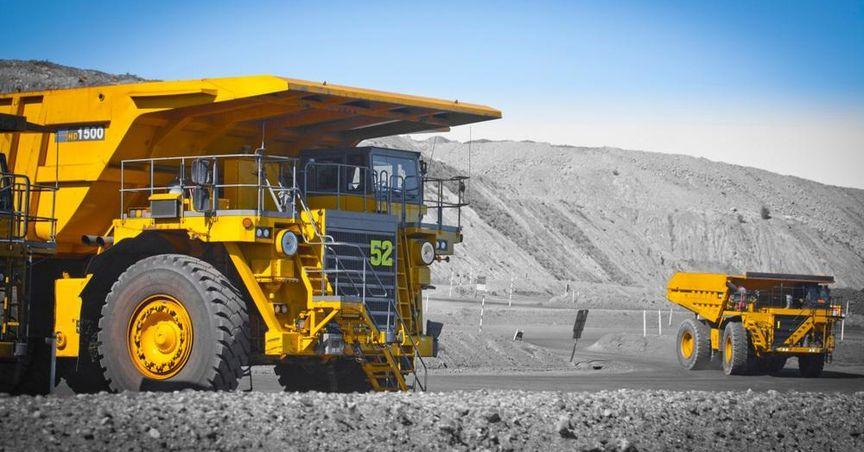
Vulcan Materials Company (NYSE:VMC) operates as a leading producer of construction aggregates and building materials used across infrastructure, residential, and commercial projects. The company’s operations include the extraction and processing of crushed stone, sand, and gravel, along with the production of asphalt mixes and ready-mixed concrete. As part of the broader industrial landscape represented by benchmarks such as the Russell 1000 Index, Vulcan Materials reflects the role of large-scale materials providers in supporting economic development and infrastructure expansion. Its integrated network of quarries, plants, and logistics systems ensures the delivery of construction materials to contractors, municipalities, and developers across multiple regions.
Core Business In Construction Materials Supply
Vulcan Materials focuses on producing aggregates that serve as foundational components in construction activities. Aggregates such as crushed stone, sand, and gravel are essential inputs for building roads, bridges, and buildings. These materials are widely used in both public infrastructure projects and private development initiatives.
The company’s production process begins with quarrying raw materials, followed by crushing, screening, and grading operations to meet specific construction standards. This structured approach ensures consistent quality across materials used in large-scale projects. Aggregates remain the core of Vulcan Materials’ operations, representing a critical link in the construction supply chain.
In addition to aggregates, the company produces asphalt mixes and ready-mixed concrete. These products are utilized in paving roads, constructing buildings, and supporting various infrastructure developments. By offering a diversified materials portfolio, Vulcan Materials serves multiple segments within the construction industry.
Integrated Network And Distribution Systems
Vulcan Materials operates an extensive network of quarries, asphalt plants, and concrete facilities that support production and distribution activities. This integrated system enables efficient sourcing, processing, and delivery of materials across regions.
Transportation logistics play a key role in the company’s operations. Materials are distributed through rail, truck, and waterway systems to reach construction sites and distribution centers. Efficient logistics ensure that materials arrive on schedule, supporting ongoing construction timelines.
The company’s network allows it to maintain proximity to major construction markets, reducing transportation time and improving delivery reliability. This operational structure enhances the company’s ability to meet demand across both urban and rural construction environments.
Infrastructure Development And Market Demand
Construction aggregates are fundamental to infrastructure development, including highways, bridges, and public works projects. Vulcan Materials supplies materials used in large-scale government infrastructure initiatives as well as private sector developments.
Urban expansion and transportation projects drive consistent demand for aggregates and related materials. Construction of residential communities, commercial buildings, and industrial facilities also contributes to material consumption across regions.
The company’s materials are used in projects that require durability and structural integrity. Aggregates provide foundational support for concrete and asphalt, ensuring long-term performance in infrastructure applications. As a result, materials produced by Vulcan Materials are integral to construction processes that support economic activity.
Financial Structure And Market Indicators
Public disclosures describe Vulcan Materials’ financial structure through indicators such as market capitalization, valuation multiples, and liquidity measures. These metrics provide a view of how the company manages operational scale and financial resources.
Liquidity ratios reflect the relationship between short-term assets and obligations, while leverage ratios outline the balance between debt and equity financing. These figures illustrate how the company maintains financial stability within a capital-intensive industry.
Historical price movements are often referenced through moving averages, which provide context regarding past market activity. These indicators serve as descriptive measures rather than predictive tools. Financial metrics collectively highlight how Vulcan Materials manages capital and operations within the construction materials sector.
Within broader market discussions, companies like Vulcan Materials are often associated with diversified benchmarks such as the Nyse Composite Index, which includes companies across multiple sectors listed on the New York Stock Exchange.
Dividend Distribution And Capital Allocation
Vulcan Materials maintains a structured approach to capital allocation that includes periodic dividend distributions. Dividend payments represent a method of returning capital to shareholders while maintaining operational funding for ongoing activities.
Adjustments to dividend levels reflect internal financial policies and business conditions. The company’s payout ratio provides context regarding how distributed capital compares with operational performance metrics.
Dividend distribution practices are part of a broader financial framework that balances operational, infrastructure development, and shareholder returns. These practices align with established corporate finance strategies among large publicly traded industrial companies.
Institutional Participation And Ownership Patterns
Ownership data indicates that a significant portion of Vulcan Materials shares is held by institutional capital managers. These entities include asset management firms and financial institutions that maintain diversified equity portfolios.
Institutional participation often reflects the inclusion of construction materials companies within broader sector allocations. Portfolio managers may adjust share positions periodically based on portfolio strategies and market conditions.
Such ownership patterns are common among companies operating within established industrial sectors. Institutional involvement contributes to governance oversight and reflects the company’s integration into broader financial markets.
Competitive Position Within Construction Sector
Vulcan Materials Company (NYSE:VMC) operates within a competitive environment that includes regional and national suppliers of construction aggregates and related materials. Competition is influenced by factors such as resource availability, transportation efficiency, and production capacity.
The company’s extensive quarry network provides access to raw materials that support consistent production levels. Its integrated distribution system enhances delivery capabilities across multiple markets.
Competitive positioning is also shaped by the ability to supply materials for large-scale infrastructure projects. By maintaining operational efficiency and reliable supply chains, Vulcan Materials sustains its presence within the construction materials industry.
