
 AUS
AUS
 NZ
NZ
 UK
UK
 CA
CA
 USA
USA
 IND
IND





Highlights
- Copper remains central to artificial intelligence infrastructure.
- Freeport-McMoRan continues attracting market attention.
- Data center expansion supports copper demand themes
Copper has become increasingly important to artificial intelligence infrastructure, placing major producers at the center of discussions surrounding data centers, electrification trends, connectivity requirements, and industrial development.
The mining industry is increasingly being discussed alongside technology-driven trends as the need for critical minerals continues to expand. Freeport-McMoRan Inc. (NYSE:FCX), a leading global copper producer, has become a notable part of this conversation as demand for copper gains visibility across industries connected to the S&P 500. While artificial intelligence is often associated with advanced chips and software platforms, the physical infrastructure supporting this transformation depends heavily on materials that keep power and connectivity flowing.
Copper Gains Fresh Relevance
Copper has served as one of the world's most important industrial metals for generations. Its conductivity, durability, and versatility have made it essential across construction, transportation, telecommunications, and manufacturing.
Today, the metal is finding renewed importance because of its connection to artificial intelligence infrastructure. Massive computing facilities require extensive electrical systems, cooling networks, transformers, wiring assemblies, and power distribution equipment. Copper remains deeply embedded throughout these systems.
As organizations continue expanding digital infrastructure, the role of copper has moved beyond traditional industrial applications and into the center of conversations surrounding next-generation technology development.
Data Centers Drive Demand
Artificial intelligence relies on large-scale data centers capable of processing enormous volumes of information.
These facilities operate around the clock and require substantial electrical capacity. Every server rack, power connection, cooling component, and electrical network depends on materials capable of efficiently transmitting energy.
Copper's conductivity makes it one of the preferred materials for these applications.
From internal wiring systems to external power infrastructure, copper supports the physical framework that enables artificial intelligence platforms to operate. As facilities become larger and more complex, demand for reliable electrical materials continues to grow.
This relationship has become one of the most widely discussed themes connecting the mining industry with artificial intelligence development.
Infrastructure Shapes Growth
The expansion of artificial intelligence is often discussed from a software perspective, yet infrastructure remains equally important.
Every digital platform requires physical assets. Data centers need buildings, electrical systems, transmission networks, and cooling mechanisms. These assets create demand across multiple industries that support technology development.
As a result, sectors beyond traditional technology are increasingly participating in the artificial intelligence narrative.
Companies involved in industrial materials, energy systems, and construction-related supply chains have become part of broader discussions surrounding digital transformation.
This dynamic has helped elevate attention toward copper producers and the role they play in supporting modern infrastructure requirements.
Freeport Commands Attention
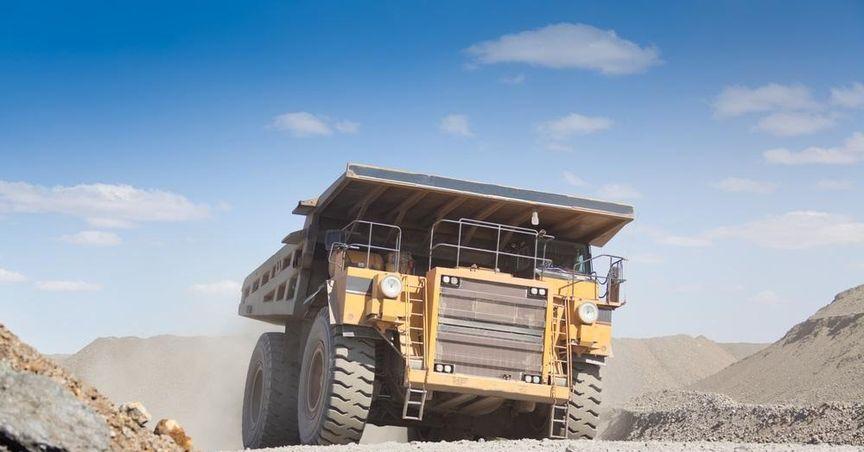
Freeport-McMoRan is recognized as one of the world's largest publicly traded copper producers. The company operates major metal & mining stock assets and supplies copper used across numerous industries. Its scale and production capabilities have positioned it as a significant participant in discussions surrounding global copper supply.
Because copper is viewed as an essential material for electrification and connectivity, Freeport frequently becomes a focal point when industry participants discuss future demand drivers.
The company represents a direct connection between natural resource production and the growing infrastructure requirements associated with digital technologies.
As conversations around artificial intelligence continue evolving, Freeport remains closely associated with the copper supply chain supporting these developments.
Supply Challenges Remain
Supply conditions also play an important role in shaping industry discussions. Developing new mining operations often requires extensive planning, regulatory approvals, infrastructure development, and operational investment.
These processes can take considerable time, making it difficult for new production sources to emerge quickly.
At the same time, existing operations can face challenges related to geology, weather conditions, permitting requirements, and operational performance.
Because of these factors, copper supply frequently becomes a major topic whenever demand expectations strengthen.
The balance between supply availability and long-term demand trends remains one of the defining themes across the global copper market.
Electrification Expands Usage
Artificial intelligence is only one of several demand drivers supporting copper's growing relevance.
Electrification trends continue influencing consumption across multiple industries. Electric transportation systems, renewable energy projects, grid modernization initiatives, and industrial upgrades all require significant amounts of copper.
This broad range of applications helps reinforce the metal's importance across the global economy.
As infrastructure continues evolving, copper remains embedded in many of the systems supporting energy transmission and connectivity.
The combination of electrification and digital infrastructure development has strengthened copper's position as a strategic industrial resource.
Mining Sector Finds Spotlight
The connection between copper and artificial intelligence has brought greater visibility to the mining industry.
Historically, technology discussions focused primarily on software developers, semiconductor manufacturers, and digital service providers. However, growing awareness of infrastructure requirements has expanded attention toward the materials needed to support technological progress.
This shift has highlighted the importance of resource producers operating within the broader industrial ecosystem.
The mining sector now finds itself participating in conversations traditionally dominated by technology-focused businesses.
This evolving narrative demonstrates how critical raw materials remain to the development of advanced technologies.
Beyond Technology Headlines
Although artificial intelligence captures significant attention, its expansion creates ripple effects across many industries.
The growing demand for computing capacity influences construction activity, energy infrastructure, industrial equipment manufacturing, and resource production. These interconnected relationships reveal how technological advancement often depends on a wide network of supporting industries.
While many discussions focus on software innovation, the underlying physical infrastructure remains equally important.
Copper serves as one of the foundational materials enabling these systems to operate efficiently.
Its importance extends far beyond electronics, supporting power networks, communications systems, transportation infrastructure, and industrial facilities around the world.
Copper Story Continues
Copper's growing association with artificial intelligence has introduced a new dimension to discussions surrounding industrial metals.
Freeport-McMoRan Inc. (NYSE:FCX), remains one of the most recognized names connected to this narrative because of its scale, production capabilities, and position within the global copper market.
While artificial intelligence may be driven by advanced computing and software innovation, the infrastructure supporting these technologies depends on materials capable of delivering power and connectivity.
Copper remains one of the most important of those materials, ensuring that the metal continues to occupy a meaningful place in conversations surrounding technological transformation and industrial development.
