
 AUS
AUS
 NZ
NZ
 UK
UK
 CA
CA
 USA
USA
 IND
IND






Highlights
- Ternium maintains diverse operational segments.
- Steel production and distribution expand globally.
- Structured manufacturing and logistics optimize performance.
Ternium SA (NYSE:TX) has experienced notable attention in trading volumes recently. The company, a leading manufacturer and distributor of steel products, operates across Mexico, Southern Region, Brazil, and international markets. Market activity reflects engagement with its Steel, Mining, and Usiminas segments. Structured operational management and standardized production processes support consistent performance across regions. Comparable NYSE-listed companies utilize organized workflows and operational coordination to maintain service delivery and resource allocation. Ternium’s operational efficiency is reinforced by integrated logistics, production scheduling, and distribution frameworks. Coordinated management of segments ensures that manufacturing and delivery remain aligned with company objectives while supporting structured engagement across multiple markets.
How Are Steel Manufacturing Operations Organized Efficiently?
Ternium’s Steel segment provides a comprehensive range of products including slabs, hot and cold rolled products, coated products, roll formed and tubular products, bars, billets, and additional steel offerings. Production processes are carefully structured to match operational capacity with distribution requirements. Manufacturing facilities coordinate schedules, raw material allocation, and workforce deployment to maintain operational consistency. Comparable companies within the NYSE follow similar practices to align production planning with supply chain demands. Ternium integrates production planning with quality control procedures and logistics management to maintain steady product flow. Structured approaches in scheduling, maintenance, and workforce allocation ensure reliable operations across steel manufacturing facilities, reinforcing consistent operational standards and service continuity.
Which Measures Optimize Mining Segment Performance?
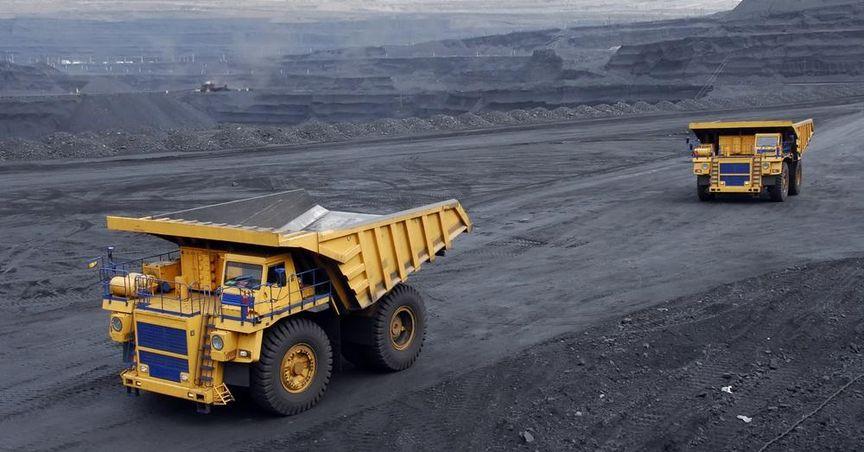
The Mining segment of Ternium (NYSE:TX) focuses on sourcing raw materials essential for steel production. Operations include extraction, transportation, and material handling procedures. Coordination between mining sites and steel production facilities ensures continuous supply and operational integration. Comparable firms implement structured logistics, extraction protocols, and storage management to support production needs. Ternium’s approach includes scheduling of extraction operations, transportation optimization, and monitoring of material quality. Integrated management of mining resources enhances efficiency and supports alignment with steel production workflows. Structured operational methods in mining facilitate reliable supply chains, ensuring that production schedules are maintained without disruption while balancing safety, compliance, and operational priorities.
How Is the Usiminas Segment Structured Globally?
Usiminas, part of Ternium’s operations, focuses on steel production and distribution within Brazilian and international markets. Operational frameworks include production scheduling, logistics coordination, and alignment with regional distribution networks. Coordination between production, storage, and shipping units ensures reliable service delivery across markets. Comparable NYSE-listed firms use structured frameworks to manage multi-region operations while maintaining consistent service and product quality. Ternium integrates production planning with distribution logistics to maintain operational efficiency and ensure consistent product availability. Structured methodologies allow the company to manage resources, production capacity, and distribution priorities effectively, supporting steady performance across the Usiminas segment.
Which Practices Enhance Distribution and Logistics Efficiency?
Ternium (NYSE:TX) emphasizes structured coordination between manufacturing facilities and distribution channels. Logistic planning integrates warehouse management, transportation scheduling, and route optimization. Coordination ensures that steel products reach intended destinations efficiently while balancing operational capacity and resource allocation. Similar approaches are adopted by other companies listed on the NYSE to optimize supply chain management and maintain consistent delivery standards. Ternium’s structured logistics frameworks support operational continuity, integrating inventory management with transport and customer delivery. Coordination between production, storage, and distribution allows seamless service delivery, aligning operational priorities across multiple markets and ensuring structured and efficient logistics management.
How Are Quality Control Measures Implemented Effectively?
Quality assurance in Ternium’s operations is structured across all segments. Steel production, mining, and Usiminas facilities implement standardized testing protocols, inspection procedures, and operational audits. Coordination between production, maintenance, and quality control teams ensures compliance with manufacturing standards and regulatory requirements. Comparable NYSE-listed firms maintain structured quality control frameworks to ensure product reliability and operational consistency. Ternium integrates quality management into operational workflows, monitoring processes, and implementing corrective actions when necessary. Structured quality control measures maintain consistent product standards, ensuring that production, extraction, and distribution operate reliably while supporting structured operational efficiency across all company segments.
What Operational Coordination Supports Global Manufacturing?
Ternium (NYSE:TX) integrates cross-segment operational planning to maintain global manufacturing efficiency. Coordination includes production scheduling, workforce allocation, supply chain management, and distribution oversight. Comparable global manufacturing companies employ structured operational frameworks to synchronize activities across facilities and markets. Ternium’s integrated approach ensures that steel production, mining, and distribution work in alignment, minimizing disruptions and maximizing efficiency. Structured operational coordination enhances resource management, production scheduling, and logistics integration, supporting steady operational performance across all regions. The company’s methods allow consistent management of materials, personnel, and facilities while maintaining alignment with overall operational objectives.
How Are Resource Allocation Practices Structured?
Resource management at Ternium involves workforce scheduling, raw material assignment, production equipment utilization, and logistics deployment. Structured allocation practices ensure operational efficiency while maintaining production and distribution continuity. Coordination between segments ensures that resources are directed where they are most required, supporting consistent manufacturing output and delivery schedules. Comparable NYSE-listed firms implement similar frameworks to optimize resources across multiple regions and operational units. Ternium’s structured approach supports the integration of personnel, production, and logistics, ensuring steady operations. Effective resource allocation enables coordinated management of facilities, inventory, and distribution, maintaining alignment with company objectives while supporting structured operational performance.
Which Measures Maintain Segment Alignment Globally?
Ternium (NYSE:TX) emphasizes structured communication and coordination across all operational segments. Production units, mining facilities, and distribution networks are integrated into a cohesive operational plan. Standardized workflows, reporting mechanisms, and operational reviews ensure segment alignment. Comparable NYSE-listed companies utilize similar frameworks to maintain consistency and operational coherence across regions. Ternium’s measures facilitate coordination of operational priorities, resource allocation, and production scheduling. Structured segment alignment supports reliable service delivery, operational continuity, and efficient management of manufacturing and distribution processes across multiple regions. Integrated operational practices maintain coordination, ensuring steady performance and adherence to organizational objectives across the company’s global operations.
