
 AUS
AUS
 NZ
NZ
 UK
UK
 CA
CA
 USA
USA
 IND
IND






Highlights
- Global mining company with diverse commodities
- Significant institutional and hedge fund activity
- Balanced operational metrics across multiple regions
Rio Tinto PLC operates in the global mining and metals sector, focusing on exploration, extraction, processing, and distribution of a variety of commodities. The company has a diversified portfolio that includes iron ore.
Rio Tinto PLC (NYSE:RIO) aluminum, copper, diamonds, and industrial minerals, supplying materials for sectors such as steelmaking, construction, packaging, and electronics. With a history tracing back to mining operations in the Rio Tinto region of Spain, the company has expanded into a multinational entity with operations spanning multiple continents.
Extensive Commodity Production And Processing
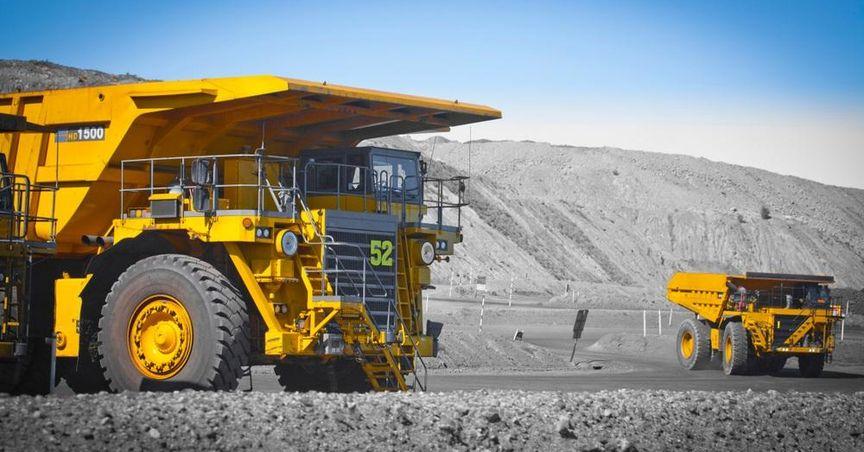
The company engages in both surface and underground mining, supported by a network of processing facilities for refining and smelting metals and mining. Its operations extend across the full value chain from exploration and project development to marketing and supply of finished materials. Rio Tinto maintains a presence in regions rich in natural resources, enabling consistent access to raw materials for industries that rely on metals and minerals for manufacturing and construction purposes.
Institutional Stake Activity
Hedge funds and other institutions have recently adjusted their holdings in Rio Tinto. Arrowstreet Capital Limited Partnership significantly increased its stake in the fourth quarter, reflecting broader interest in the company's operational performance. Milford Funds Ltd. also acquired a stake, complementing strategic positions by other major institutions. Deutsche Bank AG and Natixis Advisors LLC expanded their positions in Rio Tinto during the period, while Marshall Wace LLP entered with a stake in the second quarter. Combined, these holdings represent a substantial portion of the company's shares, demonstrating a high level of activity in the financial ecosystem.
Operational Metrics And Liquidity Ratios
Rio Tinto maintains financial ratios indicative of operational stability. The company’s current ratio demonstrates sufficient short-term asset coverage relative to obligations, while the quick ratio reflects liquid asset availability excluding inventories. Debt-to-equity metrics indicate a moderate level of leverage, suggesting disciplined capital structuring. Additionally, the company monitors moving averages to assess operational performance over time. The combination of these ratios provides insight into overall resource allocation and operational efficiency across different market conditions.
Copper Sector And Mining Prospects Growth
The copper (NYSE:RIO) sector is expected to experience increasing demand, and Rio Tinto is positioned to contribute to supply continuity. Analysts have adjusted recommendations for the company’s copper operations, reflecting market shifts and commodity price expectations. Research firms have both upgraded and moderated ratings over the past year, taking into account operational performance and project development timelines. These shifts indicate careful monitoring of the copper market as well as other metals such as iron ore and aluminum.
Analyst Reviews And Market Evaluations Overview
Several equity research firms have published assessments of Rio Tinto in recent months. Erste Group Bank upgraded the rating from hold to buy in early January, while JPMorgan Chase & Co. moderated their rating from overweight to neutral. Zacks Research elevated the rating to strong-buy, highlighting operational achievements, while Sanford C. Bernstein adjusted its valuation downward while maintaining an outperform perspective. DZ Bank revised its rating from strong-buy to hold during February, reflecting updated evaluations of operational and market performance.
Price Performance And Trading Indicators Summary
Rio Tinto opened the week with market performance reflecting a combination of industrial demand and commodity fluctuations. Moving averages over short and long periods provide a reference for trends, with the company’s shares moving between highs and lows throughout the past year. The trading range reflects sensitivity to macroeconomic trends and commodity pricing while demonstrating operational stability and sector influence. These indicators serve as benchmarks for understanding resource allocation efficiency and sector positioning relative to competitors.
Historical Operations And Corporate Expansion Background
The origins of Rio Tinto (NYSE:RIO) trace back to mining activities in Spain during the 19th century. Over time, the company expanded into multiple continents, building a multinational footprint that encompasses resource-rich regions in Africa, Australia, the Americas, and Europe. Strategic acquisitions, exploration initiatives, and project development have contributed to the broadening of its operational base. Today, Rio Tinto is recognized for its contribution to industrial metals, providing materials for infrastructure, energy, transportation, and consumer products.
Commodity Diversification And Industrial Applications
Rio Tinto supplies a wide array of materials to industries reliant on metals and mining. Iron ore and aluminum form key components for steel and construction sectors, while copper is essential for wiring, electronics, and renewable energy infrastructure. Diamonds and other specialty minerals serve applications in manufacturing, tooling, and high-value industrial products. The diversified commodity portfolio allows Rio Tinto to balance sector exposure and align operations with global industrial needs.
