
 AUS
AUS
 NZ
NZ
 UK
UK
 CA
CA
 USA
USA
 IND
IND

.jpg)



Highlights
- Freeport-McMoRan draws attention as copper and industrial metals firm.
- Copper, gold and molybdenum anchor a broad mining portfolio.
- Electrification demand and supply tightness frame the market's attention.
Freeport-McMoRan draws attention as copper and industrial metals firm, spotlighting one of the largest copper producers during a session shaped by supply tightness, geopolitical strain and steady electrification demand.
Freeport-McMoRan (NYSE:FCX) moved into focus this session as copper and industrial metals firmed, placing one of the largest copper producers squarely under the market's gaze. The firmer tone across industrial metals arrived during a broad session shaped by climbing energy prices on renewed geopolitical strain and by caution across large-cap technology, and it drew attention to companies whose fortunes track the price of copper. For a producer with major operations across several regions, the moment underscored both the scale of its footprint and the sensitivity of its results to the swings of the copper market. Copper sits at the center of electrification, appearing in wiring, motors, grids and a widening array of technologies tied to the energy transition, and its price often reflects broader expectations about industrial demand. As industrial metals firmed and supply tightness drew attention, the company became a natural reference point for how the copper market is developing. The market watched closely as attention turned to how firmer metals prices and steady electrification demand might shape the landscape for producers across regions and product lines over time.
What the Company Actually Does
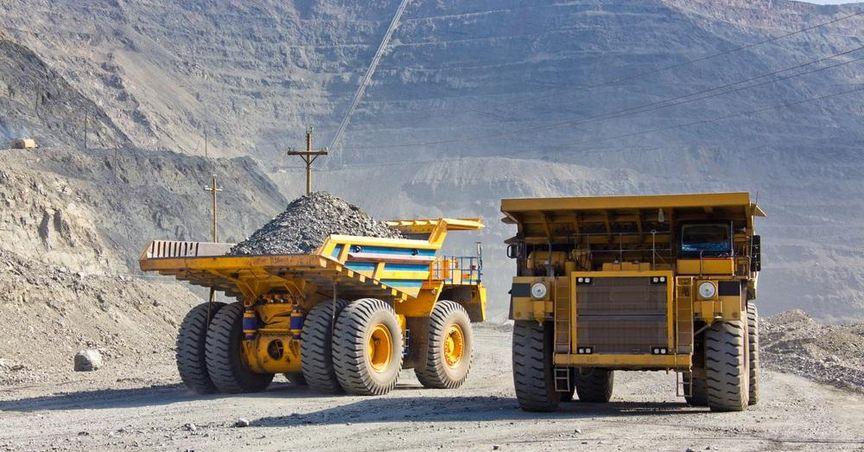
The company is one of the world's largest producers of copper, with major mining operations spanning several regions and a portfolio that also includes gold and molybdenum. Its operations cover the full arc of mining, from extracting ore to processing it into refined metal, and its scale places it among the most significant names in the global copper market. Copper is its primary product, and the metal's central role in electrification and construction makes the company's fortunes closely tied to industrial demand. Gold and molybdenum add further exposure, with gold often produced alongside copper and molybdenum used in steelmaking and other applications. The company operates large, long-lived mines that require substantial capital to develop and maintain, and it manages complex operations across different regulatory and geological settings. This scale and diversification across metals give the company a broad footprint in the mining sector. Its position as a major copper producer means its operations and commentary are watched closely as signals about the health of the copper market and industrial demand more broadly.
Copper and the Electrification Theme
Much of the attention around the company centers on copper's role in electrification, a theme that has become central to the metal's demand story. Copper is essential to wiring, motors, grids, renewable-energy systems and a widening array of technologies tied to the energy transition, which has lifted long-term expectations for demand. At the same time, bringing new copper supply online is difficult, since developing large mines takes many years and substantial capital, and existing deposits can decline in grade over time. That combination of steady demand growth and constrained supply frames much of the narrative around copper, and it draws attention to major producers whenever the metal firms. The firmer tone this session placed that theme squarely in view. For a company positioned as one of the largest copper producers, the electrification story is a defining backdrop, shaping how the market reads its operations and its exposure to a metal whose demand is closely tied to the broad push toward electrification across industries and regions over the years ahead.
The Market Backdrop This Week
The firmer tone across industrial metals arrived during a broad session in which the market weighed several threads, from energy prices climbing on renewed geopolitical strain to caution across large-cap technology ahead of megacap results. Commodities drew attention as oil surged on tension affecting key shipping routes, and industrial metals firmed as supply tightness and steady demand came into focus. Within that mix, a major copper producer occupies a distinctive place, since its fortunes track the price of a metal central to electrification and construction. The company belongs to the S&P 500, and its operations are watched as a read on the health of the copper market and industrial demand. When commodities firm and supply tightness draws attention, major producers become reference points for how the metals complex is developing. That dynamic placed the company in focus as the market gauged how firmer metals prices, geopolitical strain and steady electrification demand might shape the landscape for producers across regions and metals over the coming stretch.
A Scale-and-Reserves Strategy
A defining feature of the company is its strategy built around scale and long-lived reserves, operating large mines with substantial deposits that can produce for many years. This approach reflects the reality that developing copper supply takes time and capital, and that scale offers advantages in a market where new supply is hard to bring online. The company has focused on maintaining and extending the lives of its major operations, managing the gradual decline in ore grades that affects mature mines and pursuing projects that can add production over time. Its diversification across copper, gold and molybdenum provides exposure to several metals, helping smooth the swings that can hit a single-metal producer. Managing the substantial capital required to sustain and grow its operations is a central part of the strategy, since mining is a capital-intensive business with long lead times. The market watches how effectively the company balances sustaining its existing mines with developing new production, a balance that shapes its ability to serve rising demand tied to electrification across the years ahead.
Where the Name Sits Among Peers
Among metals and mining stocks, this company stands out as one of the largest copper producers, with a scale and reserve base that few rivals match. Its peers include other major mining companies that produce copper alongside a range of other metals, as well as producers focused more narrowly on copper. What distinguishes the company is the size of its copper operations and its diversification across gold and molybdenum, which together give it a broad footprint in the mining sector. That scale can offer advantages in a market where new supply is hard to develop, though it does not shield the company from the swings of commodity prices that shape the whole sector. As copper and industrial metals firm, comparisons with peers help the market gauge relative positioning and exposure to the electrification theme. The company's scale, reserve base and diversification across metals make it a closely watched reference point for how the copper market and the broader mining sector are developing across regions and evolving demand.
Recent Developments Drawing Attention
The most immediate development is the firmer tone across copper and industrial metals, which placed major producers in focus during an active session for commodities. Beyond that backdrop, the company has continued to operate its major mines, manage the gradual decline in ore grades at mature operations and pursue projects aimed at sustaining and extending production. It has also worked to manage costs and capital across its large and complex operations. The market watches these developments for signs of how the company is positioning to serve demand tied to electrification and how effectively it is managing its long-lived mines. Operational updates across its copper, gold and molybdenum lines continue at a steady pace, reflecting the breadth of its portfolio. During a session marked by firming metals prices, the company's scale and its exposure to copper drew attention as themes that could shape its path as electrification demand and supply tightness continue to develop across the metals complex over the coming stretch and beyond into the years ahead.
Operational Focus in the Months Ahead
Operationally, the company remains focused on sustaining its major mines, managing ore grades and controlling costs across its large operations. Its priorities include extending the lives of its long-lived deposits, pursuing projects that can add production and managing the substantial capital required to run a mining business of its scale. Managing the gradual decline in ore grades at mature mines is a central operational task, since falling grades can raise the cost of producing each unit of metal. The company has emphasized disciplined capital management and operational efficiency as it balances sustaining existing production with developing new supply. In the period ahead, execution across mining operations, cost control and project development will shape how the market reads the durability of its production base. Navigating the different regulatory and geological settings of its operations is an added factor, since mining spans complex environments across regions. How effectively the company manages these operational demands will influence how the market views its ability to serve rising demand tied to electrification across the years ahead.
Challenges Facing the Mining Segment
The mining segment carries well-known challenges, from the volatility of commodity prices to the capital intensity of developing and sustaining mines and the complexity of operating across regions. Copper prices can swing sharply with shifts in industrial demand and broad sentiment, directly affecting the revenue of producers. Developing new supply takes many years and substantial capital, and mature mines face gradual declines in ore grades that raise costs over time. Operating across different regulatory and geological settings adds complexity, and geopolitical strain can affect operations and supply chains, as tension affecting key routes underscored this week. Environmental and community factors shape how mines are developed and run. Currency swings can affect reported results given operations across regions. These pressures are shared across the sector, but they shape how the market assesses a company whose fortunes track the price of copper and other metals. Navigating them requires disciplined capital management, operational skill and the ability to sustain production across a demanding and cyclical industry over the long term.
The Competitive Landscape
The competitive landscape for copper and industrial metals features a handful of large, diversified miners alongside producers focused more narrowly on copper. The company competes with other major mining firms that produce copper and a range of metals, as well as with regional producers. Its edge rests on the scale of its copper operations, its diversification across gold and molybdenum and its base of long-lived reserves, which together give it a significant footprint in the sector. That scale can offer advantages in a market where new supply is difficult to develop, though the company competes in a global market where prices are set by broad supply and demand. As copper and industrial metals firm, comparisons with peers help the market gauge relative positioning and exposure to electrification demand. Sustaining its standing requires continual attention to mining operations, cost control, capital discipline and project development, since the ability to sustain and grow production over time is what distinguishes leading producers in a demanding and capital-intensive sector shaped by long lead times.
Why the Story Matters to the Wider Market
Because the company is one of the largest copper producers, its operations and commentary function as a barometer for the copper market and for industrial demand more broadly. When copper firms and a major producer draws attention, the market treats its position as a signal about the health of the metal central to electrification and construction. This session's firmer tone across industrial metals fed into a larger conversation about supply tightness, geopolitical strain and the steady demand tied to the energy transition. For the wider market, the question is whether firmer metals prices reflect durable demand growth against constrained supply or a more temporary shift in sentiment. Either way, the company remains a closely watched reference point during an active stretch for commodities, and its operations across copper, gold and molybdenum will help shape how the market reads the direction of the metals complex as electrification demand and supply dynamics continue to develop across regions and the years ahead.
A Barometer for the Copper Market
As one of the largest copper producers, this company offers the market a valuable barometer for the copper market at a moment when industrial metals are firming and electrification demand draws attention. Its scale, reserve base and diversification across metals give it a broad view of a market shaped by tight supply and steady demand, and the firmer tone this session placed that exposure in focus. With major operations across regions and a portfolio spanning copper, gold and molybdenum, the company is positioned at the center of a metal essential to the energy transition. The current stretch tests how well its scale and long-lived reserves navigate an environment shaped by geopolitical strain and shifting commodity prices. For a company whose fortunes track a metal so central to electrification, the moment keeps it firmly in view as the metals complex works through a closely watched phase across regions, evolving demand and the long lead times that define mining over the years ahead.
