
 AUS
AUS
 NZ
NZ
 UK
UK
 CA
CA
 USA
USA
 IND
IND

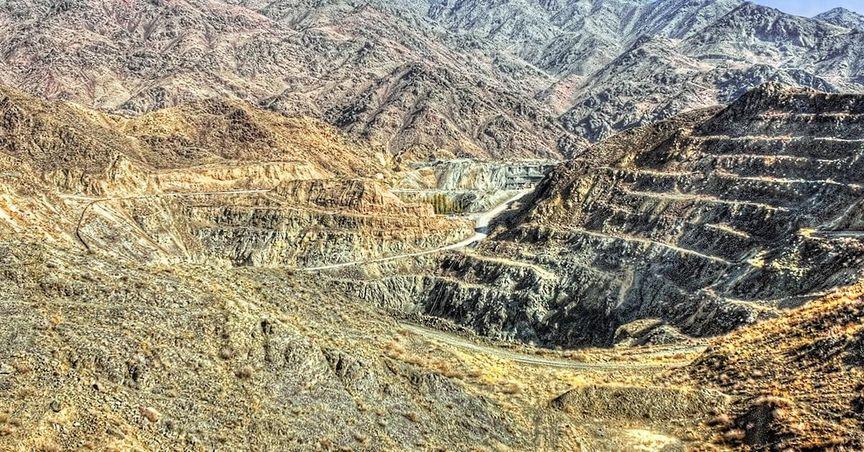





Golden Arrow Resources Corp (OTC:GARWF) has announced noteworthy developments from its ongoing drilling campaign at the San Pietro iron-copper-gold-cobalt project located in Chile. Recent drilling results reveal significant copper and cobalt mineralization intervals that highlight the project's potential.
At the Rincones target, a notable drill hole intersected 110 meters of mineralization characterized by copper, gold, cobalt, and iron. This interval starts at a depth of 158 meters and includes a high-grade section of 1.12 meters with exceptionally high concentrations of copper, gold, cobalt, and iron. This discovery underscores the significant mineralization present at Rincones.
Furthermore, drilling at the Colla target, situated approximately two kilometers southwest of Rincones, has identified substantial cobalt mineralization. A drill hole intersected 123.1 meters of cobalt-rich mineralization, including a high-grade interval of 19.43 meters with elevated cobalt and iron grades. This represents the most impressive cobalt intercept reported at the San Pietro project to date.
Brian McEwen, Vice President of Exploration and Development at Golden Arrow, expressed satisfaction with the results, noting that the continuous wide zones of mineralization have been demonstrated between previously defined north and south Rincones zones. This continuity was found in an area that had not been historically drilled.
With approximately half of the 10,000-meter drilling program still to be completed, there is confidence in further enhancing the resource profile of the project. The ongoing Phase 2 drilling program, which commenced in April 2024, has already surpassed the halfway point of the planned drilling.
These developments form part of Golden Arrow's broader exploration strategy at the San Pietro project, where efforts are focused on compiling an initial mineral resource estimate. The results from the current drilling campaign are expected to contribute significantly to the overall assessment of the project's mineral resources and future prospects.
