
 AUS
AUS
 NZ
NZ
 UK
UK
 CA
CA
 USA
USA
 IND
IND





Highlights
- Transportation technology provider supporting global rail operations
- Regulatory filing recorded share transaction involving company executive
- Equipment manufacturing and rail system solutions form core operations
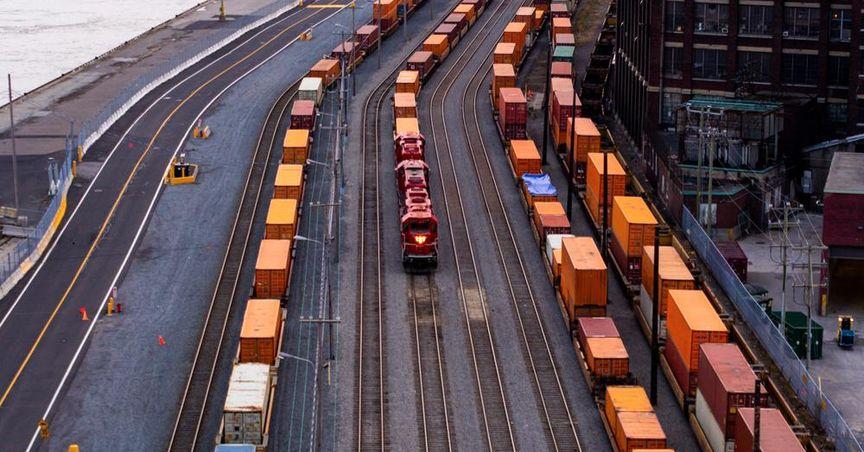
Wabtec, part of the s&p 500 industrial landscape, develops rail equipment, braking systems, propulsion technology, and digital control platforms supporting freight railroads and transit networks worldwide.
The transportation and industrial technology sector includes companies that design equipment, digital systems, and infrastructure solutions supporting rail networks and freight mobility. Within this sector, Wabtec Corporation (NYSE:WAB) operates as a global provider of rail equipment, systems, and services used by freight railroads, passenger transit networks, and industrial operators. Activity within the sector often aligns with broader economic indicators tracked alongside benchmarks such as the s&p 500, which reflects performance across major publicly listed corporations in the United States.
Rail transportation remains an essential component of global logistics and public transit systems. Companies operating in this space supply locomotive components, braking systems, propulsion technology, and digital control solutions that assist rail operators in managing fleets and improving operational efficiency.
Rail Equipment Manufacturing and Technology Solutions
Manufacturing operations form a central component of Wabtec Corporation (NYSE:WAB). Product portfolios include locomotive systems, braking technology, air management equipment, propulsion systems, and traction control components used in rail vehicles across freight and passenger networks.
Freight railroads depend on reliable mechanical and digital systems for daily operations. Equipment supplied by Wabtec supports locomotive performance, braking reliability, and traction capability. Such technologies contribute to operational continuity within rail transportation infrastructure.
Transit agencies also use rail systems designed for passenger transportation in metropolitan and regional networks. Components produced by the company assist transit operators in maintaining safe and consistent rail services.
In addition to hardware manufacturing, digital control platforms support communication between locomotives, signaling infrastructure, and rail network management systems. Integration of digital tools allows operators to monitor fleet activity, track performance indicators, and coordinate movement across rail corridors.
Executive Share Transaction Disclosure
Public filings submitted to regulatory authorities documented a recent share transaction associated with a senior company official. The filing recorded the sale of company shares during a trading session conducted through the open market.
Following completion of the transaction, the official retained a substantial ownership position in the organization. Disclosure documents filed with regulatory authorities provide transparency regarding transactions involving company securities by corporate officials.
Regulatory frameworks require reporting of such transactions through official filing systems. These disclosures allow market observers to review changes in ownership positions associated with executives and board members.
Service and Aftermarket Support Operations
Beyond manufacturing, service and maintenance activities represent another operational area within the company. Rail equipment requires routine inspection, replacement components, and periodic system upgrades to maintain operational reliability.
Aftermarket services include remanufacturing of mechanical systems, maintenance support, and component distribution. Rail operators often maintain long equipment lifecycles, making maintenance services an important aspect of industry operations.
Fleet modernization programs also form part of the service portfolio. These programs involve upgrading existing locomotives and rail systems with newer components, digital monitoring technology, and improved propulsion systems.
Remanufacturing processes extend the usable lifespan of rail equipment while maintaining compliance with regulatory and safety requirements. Such programs reduce operational disruption by allowing operators to upgrade existing fleets rather than replace entire locomotives.
Rail Industry Integration and Digital Systems
Digital technologies have become increasingly integrated into rail transportation infrastructure. Control systems developed by Wabtec Corporation (NYSE:WAB) support monitoring of locomotive performance, communication between rail vehicles, and data collection related to rail network activity.
Advanced signaling technology assists rail operators in coordinating train movement across extensive networks. These systems help maintain safe spacing between trains while improving scheduling accuracy and operational efficiency.
Rail networks rely on coordinated interaction between hardware systems, digital communication platforms, and infrastructure equipment. Integration of these technologies enables more efficient movement of goods and passengers across rail corridors.
Operational data collected through digital monitoring tools can support maintenance planning and fleet management decisions. Rail operators use this information to track equipment performance and schedule service activities accordingly.
Corporate Developments and Market Activity
Corporate announcements recently included authorization for a share buyback program approved by the board of directors. Such programs enable companies to reacquire outstanding shares through open market transactions as part of corporate capital management activities.
Dividend distribution updates were also disclosed, reflecting routine corporate actions associated with publicly traded companies. Periodic dividend payments distribute a portion of corporate earnings to shareholders according to declared schedules.
Market trading activity involving company shares occurs alongside movements across broader market benchmarks such as the s and p 500, which reflects aggregated performance across multiple sectors including transportation, technology, and industrial manufacturing.
Institutional organizations maintain ownership positions in the company through portfolio allocations and financial asset management structures. Regulatory filings periodically document adjustments in these positions through publicly accessible reporting systems.
Rail transportation remains an essential logistical component connecting industrial supply chains, manufacturing centers, and distribution networks. Equipment manufacturers and technology providers operating in this sector contribute to operational continuity within freight and passenger rail infrastructure.
