S&P 500 Today FedEx (NYSE:FDX) Logistics & Delivery Management

6 min read | September 23, 2025 12:00 AM PDT | By Anmol Khazanchi

Highlights

  • FedEx operates globally across transportation, e-commerce, and business services.
  • Structured processes ensure consistency across regions.
  • Operations align with S&P 500 Today, Russell 1000 Index, and NYSE benchmarks.

FedEx Corporation (NYSE:FDX) provides global logistics and transportation services through multiple segments, including FedEx Express, FedEx Ground, FedEx Freight, and FedEx Services. The firm specializes in time-sensitive package delivery, freight management, and e-commerce solutions. Standardized operational procedures guide package routing, shipment handling, and service execution across diverse markets. References to S&P 500 Today provide a benchmark for evaluating operational scale relative to other major publicly listed firms. Structured coordination and workflow protocols enable consistent execution across all regional operations and support transparent corporate management.

What Are FedEx Operational Structures Across Divisions?

FedEx maintains structured operational frameworks within each of its divisions. Express, Ground, Freight, and Services segments follow standardized processes for logistics handling, scheduling, and internal reporting. Coordination across departments ensures consistency in service delivery. Structured workflows include documentation for internal performance tracking and communication between regional hubs. References to NYSE Composite Index provide context for comparing operational scale with other large publicly listed companies. Comparable multinational logistics organizations implement similar frameworks to maintain procedural clarity, coordination across teams, and structured execution.

How Does FedEx Manage Transportation And Logistics??

Transportation operations at FedEx coordinate ground, express, and freight services globally. Teams follow standardized procedures for routing, scheduling, and package management. Local hubs communicate with central management to ensure consistent execution. Structured processes include quality control and tracking systems to maintain operational reliability. References to NYSE Composite Today offer a benchmark for evaluating the scale of logistics and transportation operations relative to other publicly traded firms. Comparable global transportation companies apply similar frameworks to maintain consistency and transparency across operations.

Which Teams Support Service Operations Worldwide?

Service operations encompass customer support, e-commerce management, and package tracking. Cross-functional collaboration ensures alignment with corporate service standards. Teams maintain structured communication, internal reporting, and documentation of operational tasks. Operational efficiency is reinforced through coordinated workflows across divisions. References to NYSE Composite provide objective context for comparing operational scale to other publicly listed companies. Similar global logistics firms apply structured service frameworks to maintain clarity, standardization, and reliable execution of operational tasks.

How Are Distribution Channels Managed Systematically?

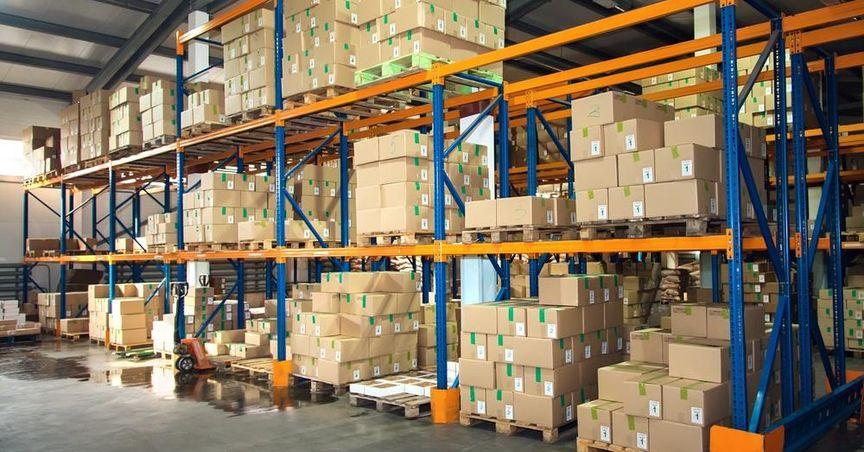
FedEx (NYSE:FDX) maintains structured logistics and distribution networks connecting regional hubs, warehouses, and transportation partners. Teams coordinate inventory management, scheduling, and delivery tracking to optimize movement. Standardized protocols for packaging, shipping, and quality assessment support consistent operations across regions. Comparable multinational logistics companies employ similar structured frameworks to ensure clarity, accountability, and consistent delivery practices.

Which Corporate Divisions Ensure Operational Accountability?

Corporate divisions at FedEx oversee functional execution across all operational segments. Structured workflows, documentation procedures, and cross-departmental communication protocols ensure coordinated activity across Express, Ground, Freight, and Services. Internal reporting and procedural documentation reinforce clarity and standardization across operations. References to NYSE Composite Today provide benchmarks for operational magnitude relative to other publicly listed companies. Comparable multinational logistics organizations implement structured corporate divisions to enhance clarity, maintain accountability, and support consistent execution in global operations.

How Are Compliance Measures Applied Across Operations?

FedEx integrates regulatory compliance and internal standards into workflows across all segments. Teams follow standardized documentation procedures, audits, and regional regulatory protocols. Compliance routines are embedded in transportation, logistics, and service operations to ensure procedural clarity. References to the Russell 1000 provide benchmarks for assessing operational compliance relative to other publicly traded companies. Comparable global logistics firms use structured compliance measures to maintain clarity, accountability, and consistency across divisions. Standardized compliance procedures support operational transparency and maintain consistent adherence to regulatory standards.

What Frameworks Are Used For Performance Monitoring?

Performance management at FedEx relies on structured internal reporting frameworks and systematic assessment procedures. Metrics on service execution, logistics efficiency, shipment handling, and operational throughput are tracked consistently. References to E-mini S&P 500 futures provide for evaluating performance relative to other publicly listed firms. Comparable multinational logistics organizations employ structured performance frameworks to maintain clarity, standardized reporting, and coordinated operational management. Structured monitoring enhances transparency, ensures procedural alignment, and supports consistent execution across all divisions.

How Are Global Teams Coordinated Across Departments?

Cross-functional operations at FedEx integrate activities between design, logistics, service, and distribution teams. Standardized reporting procedures, communication protocols, and centralized planning systems support uniform operational execution. References to the S&P 500 Index Fund provide benchmarks for assessing coordination relative to other publicly traded companies. Similar multinational logistics companies adopt structured cross-departmental frameworks to maintain procedural consistency, workflow clarity, and operational alignment. Structured communication enhances transparency, ensures consistent execution, and supports systematic coordination across global operations.

How Are S&P 500 Companies Benchmarked For Operations?

Operational performance at FedEx is compared against frameworks used by S&P 500 companies. Procedures for logistics, service management, and operational coordination are benchmarked to ensure scale and efficiency. Reference to S&P 500 companies provides context for aligning operational standards with other publicly listed firms. Comparable multinational logistics organizations use similar benchmarking frameworks to maintain clarity, structured workflows, and coordinated execution. Benchmarking reinforces consistency across divisions, transparent management, and standardized operational practices.

How Are Russell 1000 Index Firms Used For Comparison?

FedEx evaluates operational procedures relative to other firms in the Russell 1000 Index. Performance tracking, internal reporting, and workflow documentation are benchmarked against companies with similar scale and complexity. References to Russell 1000 provide objective context for operational magnitude. Comparable global logistics firms apply similar structured evaluation methods to maintain clarity, accountability, and standardized execution across regions. Benchmarking against Russell 1000 ensures coordinated operations, systematic management, and procedural clarity across global divisions.

Which Tools Support S&P 500 Index Fund Monitoring?

FedEx tracks operational performance using frameworks comparable to those in S&P 500 Index Fund management. Metrics for logistics efficiency, service execution, and internal reporting are monitored consistently. Reference to S&P 500 Index provides a benchmark for operational management and performance relative to other publicly listed companies. Comparable multinational logistics organizations adopt similar frameworks to maintain transparency, procedural clarity, and systematic execution. Structured monitoring aligns corporate operations, reinforces consistency, and supports transparent management across all divisions.

FedEx assesses operational scale and magnitude through reporting structures, cross-departmental coordination, and logistics management practices. References provide objective context for operational scale relative to large publicly listed companies. Similar multinational logistics organizations implement structured benchmarking to ensure procedural clarity, coordinated execution, and consistency across operations. These comparisons reinforce standardized practices, clarity, and operational alignment.

Frequently Asked Questions

  • What services does FedEx offer?

    Global transportation, logistics, e-commerce, and business services.

  • Which divisions manage service operations?

    FedEx Express, Ground, Freight, and Services.

  • How is transportation and logistics managed?

    Structured routing, scheduling, shipment tracking, and hub coordination.


Disclaimer

The content, including but not limited to any articles, news, quotes, information, data, text, reports, ratings, opinions, images, photos, graphics, graphs, charts, animations and video (Content) is a service of Kalkine Media LLC (Kalkine Media, we or us) and is available for personal and non-commercial use only. The principal purpose of the Content is to educate and inform. The Content does not contain or imply any recommendation or opinion intended to influence your financial decisions and must not be relied upon by you as such. Some of the Content on this website may be sponsored/non-sponsored, as applicable, but is NOT a solicitation or recommendation to buy, sell or hold the stocks of the company(s) or engage in any investment activity under discussion. Kalkine Media is neither licensed nor qualified to provide investment advice through this platform. Users should make their own enquiries about any investments and Kalkine Media strongly suggests the users to seek advice from a financial adviser, stockbroker or other professional (including taxation and legal advice), as necessary. Kalkine Media hereby disclaims any and all the liabilities to any user for any direct, indirect, implied, punitive, special, incidental or other consequential damages arising from any use of the Content on this website, which is provided without warranties. The views expressed in the Content by the guests, if any, are their own and do not necessarily represent the views or opinions of Kalkine Media. Some of the images/music that may be used on this website are copyright to their respective owner(s). Kalkine Media does not claim ownership of any of the pictures/music displayed/used on this website unless stated otherwise. The images/music that may be used on this website are taken from various sources on the internet, including paid subscriptions or are believed to be in public domain. We have used reasonable efforts to accredit the source (public domain/CC0 status) to where it was found and indicated it, as necessary.


Sponsored Articles


Investing Ideas

Previous Next