
 AUS
AUS
 NZ
NZ
 UK
UK
 CA
CA
 USA
USA
 IND
IND




Highlights
- Waste Connections launched a renewable natural gas facility in Ontario.
- The Ridge Landfill project converts landfill gas into pipeline-quality renewable energy.
- The company continues expanding environmental services across North America.
Waste Connections advanced landfill renewable natural gas production, expanded environmental infrastructure, and maintained a significant presence within the NYSE Composite Index across North American markets.
Waste Connections (NYSE:WCN) operates in the environmental services sector, providing non-hazardous solid waste collection, recycling, landfill management, and resource recovery services throughout North America. The company is represented within the NYSE Composite and is recognized as part of the Industrial Stocks category. Operations span the United States and Canada, combining waste management infrastructure with renewable energy initiatives that support landfill gas utilization.
NYSE Composite Includes Environmental Services Leader
The NYSE Composite tracks companies listed on the New York Stock Exchange across numerous industries, including industrial services, healthcare, financial services, technology, consumer products, and utilities. Waste Connections remains among the established environmental services businesses represented within the benchmark.
Index membership reflects the company's presence as a publicly traded enterprise with operations spanning municipal, commercial, industrial, and energy-related waste management activities. Environmental infrastructure companies form an important component of the industrial segment represented within the index.
Ontario Renewable Natural Gas Facility Begins Operations
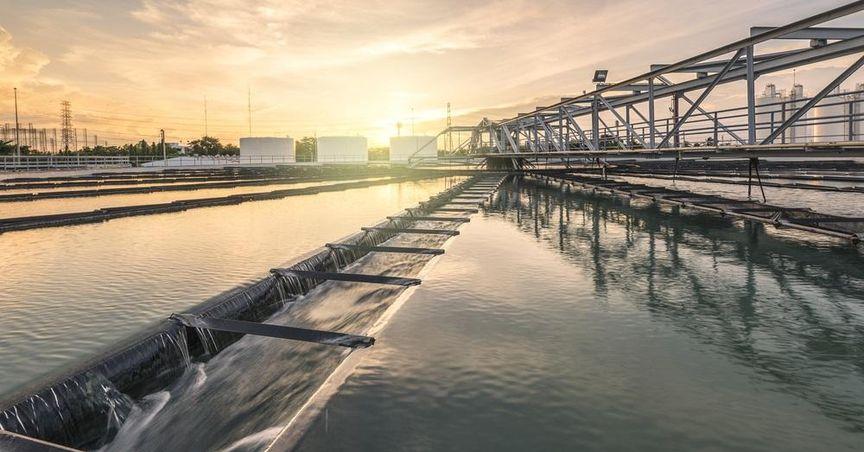
Waste Connections of Canada recently launched a renewable natural gas (RNG) facility at the Ridge Landfill in Chatham-Kent, Ontario, in collaboration with Enbridge Gas. The project captures landfill gas generated through natural waste decomposition and upgrades it into pipeline-quality renewable natural gas.
The facility connects to Enbridge Gas through a newly constructed pipeline and injection station, allowing processed renewable natural gas to enter Ontario's existing natural gas distribution network.
Landfill gas primarily consists of methane and carbon dioxide produced through the decomposition of organic waste. Renewable natural gas facilities process this gas by removing impurities before distribution through conventional pipeline infrastructure.
Expanding Renewable Energy From Waste Operations
Landfill gas recovery has become an increasingly important component of modern waste management operations. Rather than allowing methane to escape into the atmosphere, collection systems capture the gas for electricity generation, direct industrial use, or renewable natural gas production.
Renewable natural gas projects complement traditional landfill operations by utilizing existing waste infrastructure to produce low-carbon energy resources. Similar facilities continue expanding across North America as municipalities and environmental service providers increase landfill gas recovery capabilities.
The Ridge Landfill project represents another example of integrating waste disposal infrastructure with renewable energy production.
Broad Environmental Services Network
The company provides comprehensive waste management services that include residential collection, commercial collection, industrial waste handling, recycling operations, transfer stations, landfill ownership, and resource recovery.
Operations extend across numerous states and Canadian provinces, serving municipalities, businesses, construction companies, energy producers, and residential customers.
Beyond waste collection, landfill management includes environmental monitoring, gas collection systems, leachate management, recycling programs, and long-term site maintenance supporting regulatory compliance and environmental stewardship.
Infrastructure Supporting Circular Resource Management
Modern waste management increasingly emphasizes resource recovery alongside traditional disposal activities. Recycling facilities process paper, plastics, metals, cardboard, and other recyclable materials, while landfill gas recovery projects convert organic waste emissions into usable energy.
Environmental infrastructure combines engineering, environmental science, logistics, transportation, and energy technologies to improve resource utilization throughout waste management systems.
Within the broader Industrial Stocks category, companies providing integrated waste collection and renewable energy infrastructure continue expanding service capabilities across urban and rural markets.
Operations Across North America
The business maintains an extensive network of collection routes, transfer stations, disposal facilities, recycling centers, and renewable energy assets throughout North America.
Regional operating models allow localized waste collection while supporting centralized landfill management and resource recovery operations. Strategic acquisitions over many years have expanded geographic coverage into secondary and exclusive markets across the United States and Canada.
Environmental technologies continue evolving through improved recycling processes, fleet modernization, landfill engineering, emissions management systems, and renewable natural gas production facilities.
As sustainable waste management infrastructure continues developing across North America, Waste Connections (NYSE:WCN) remains an established constituent of the NYSE Composite, combining environmental services, recycling operations, landfill management, and renewable natural gas production within an integrated operating platform.
