
 AUS
AUS
 NZ
NZ
 UK
UK
 CA
CA
 USA
USA
 IND
IND






Highlights
- Naval construction activity remains central to domestic defense manufacturing operations.
- Aerospace and maritime production programs continue across multiple vessel categories.
- Market attention has centered on operational updates and contract execution.
NYSE Composite coverage reflects ongoing attention surrounding Huntington Ingalls Industries and broader defense manufacturing activity tied to naval construction, aerospace systems, and technical service operations.
The defense and shipbuilding sector remains closely connected with industrial manufacturing activity linked to maritime systems, fleet maintenance, and aerospace engineering. Within that landscape, Huntington Ingalls Industries operates as a major contractor involved in naval construction and technical services. Broader market attention surrounding NYSE Composite activity has also reflected ongoing discussion tied to defense manufacturing groups and large industrial enterprises.
Maritime Construction Operations
Huntington Ingalls Industries maintains shipbuilding facilities focused on aircraft carriers, submarines, amphibious vessels, and additional naval platforms used by federal defense agencies. Operational activity includes vessel design, engineering support, system modernization, and maintenance assignments connected with maritime readiness programs.
Production responsibilities extend across several long-duration naval projects requiring coordination among suppliers, fabrication centers, and engineering teams. Industrial operations also involve nuclear-powered vessel construction, an area requiring specialized technical infrastructure and regulatory compliance.
The company originated through the separation of shipbuilding assets previously connected with a larger aerospace and defense enterprise. Historic shipyards associated with the organization continue to represent longstanding components of American naval manufacturing activity.
Aerospace and Technical Services
Beyond shipbuilding, the organization maintains divisions dedicated to defense technologies, mission support services, and technical consulting for government agencies. Activities include cybersecurity support, logistics management, data integration, and unmanned systems development.
Service contracts connected with national security programs remain an important component of business operations. Engineering capabilities across naval and aerospace segments contribute to ongoing modernization efforts involving fleet systems and maritime technologies.
Huntington Ingalls Industries (NYSE:HII) also participates in maintenance and overhaul assignments associated with existing naval assets. Such programs require coordination between shipyards, technical specialists, and federal departments responsible for operational readiness.
Market Activity and Operational Discussion
Recent market discussion surrounding the company followed updated research commentary from several financial research groups covering defense manufacturers. Commentary across the sector reflected differing views connected with industrial performance, operational execution, and broader manufacturing conditions.
Attention also centered on quarterly operational updates that referenced stronger commercial activity across shipbuilding programs and technical service divisions. Revenue expansion across defense contracts contributed to broader discussion surrounding industrial demand within maritime manufacturing.
Within the broader nyse composite index environment, defense-oriented corporations frequently attract attention because of long production timelines, government contract structures, and specialized engineering capabilities. Shipbuilding enterprises often remain linked with national infrastructure planning and maritime modernization programs.
Shipyard Infrastructure and Workforce Activity
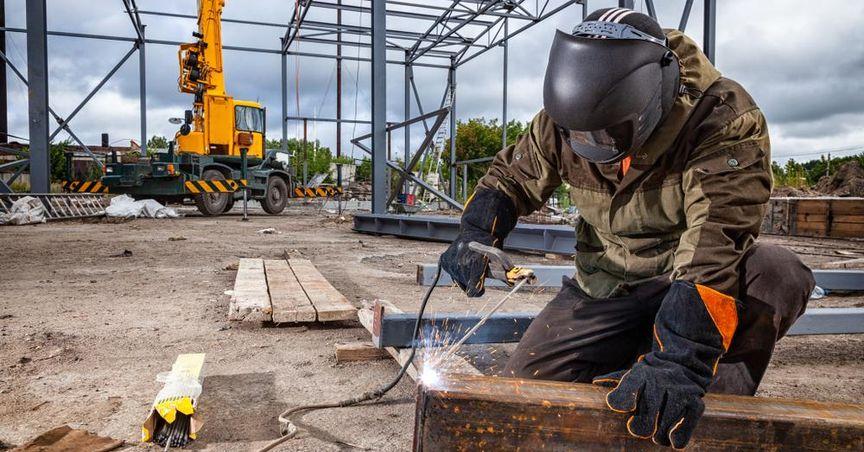
Large-scale shipyard operations require coordinated fabrication facilities, dry docks, engineering offices, and testing environments. Manufacturing programs associated with naval vessels involve extensive welding operations, structural assembly, propulsion integration, and systems installation.
Industrial activity at shipyard locations also supports regional manufacturing networks connected with steel processing, electronics production, and marine equipment development. Supplier relationships across multiple states contribute to broader industrial participation connected with defense construction programs.
Workforce development remains important within the shipbuilding sector because specialized trades and technical disciplines support complex naval projects. Apprenticeship pathways, engineering recruitment, and skilled manufacturing roles continue to shape operational capacity across the industry.
Contract Structure and Defense Manufacturing
Federal defense contracts typically involve multiyear production schedules connected with vessel construction and fleet support. Contract structures often include phased milestones related to engineering reviews, fabrication progress, testing procedures, and delivery schedules.
Huntington Ingalls Industries (NYSE:HII) remains associated with several major naval programs involving aircraft carriers and submarine construction. Such assignments require collaboration between military agencies, engineering groups, and industrial suppliers operating across extensive production cycles.
Broader manufacturing conditions within the defense sector also influence material sourcing, scheduling coordination, and operational planning. Steel availability, transportation logistics, and technical certification processes remain connected with shipyard performance and production continuity.
Industrial Presence Within Defense Markets
The American defense manufacturing sector includes aerospace firms, electronics suppliers, shipbuilders, and technical service providers supporting national security infrastructure. Naval construction remains one of the more specialized industrial segments because of engineering complexity and extensive regulatory standards.
Shipbuilding activity also carries historical importance within domestic manufacturing. Longstanding naval yards connected with carrier construction and submarine development continue operating as central industrial facilities supporting defense readiness and maritime capability expansion.
Ongoing discussion across defense manufacturing markets has reflected attention surrounding fleet modernization, technical services, and operational execution within large industrial enterprises connected with maritime systems.
