
 AUS
AUS
 NZ
NZ
 UK
UK
 CA
CA
 USA
USA
 IND
IND






Highlights
- Strong earnings reinforce operational momentum.
- Aerospace demand supports business visibility.
- Portfolio changes reshape future priorities.
Honeywells stronger earnings, aerospace demand, automation strategy, and portfolio transformation highlight improving momentum, while operational discipline and successful execution remain essential for sustaining its longer-term business progress.
Honeywell International (NASDAQ:HON), a diversified multinational manufacturer serving aerospace, automation, building systems, and advanced materials markets, has returned to focus after stronger quarterly results and an improved market outlook. Its recent performance has also renewed attention across the Nasdaq Composite, as steady revenue expansion, resilient demand, and portfolio transformation shape expectations surrounding the companys next phase.
Earnings Strength Supports Momentum
Honeywell delivered quarterly earnings that came in ahead of market expectations, reflecting disciplined execution across its major operating platforms. Revenue also advanced from the comparable period, supported by demand for aerospace equipment, automation technologies, building controls, and specialized industrial stock solutions.
The earnings performance suggests that Honeywell continues converting demand into stronger operating results despite an uneven economic environment. Its broad exposure across commercial aviation, defense, manufacturing, energy, and infrastructure provides several sources of revenue rather than dependence on a single market.
This diversified structure can help balance temporary weakness in one area with stronger activity elsewhere. Aerospace demand remains especially important because airlines, aircraft manufacturers, and operators continue requiring engines, avionics, safety systems, maintenance services, and auxiliary power technologies.
Aerospace Demand Drives Visibility
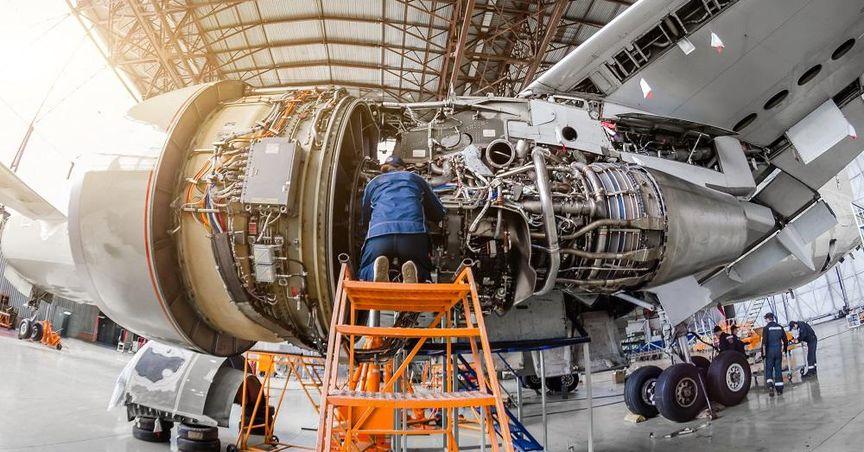
Honeywells aerospace operations remain central to its business identity. The division supplies propulsion equipment, cockpit technologies, navigation systems, flight safety products, and aftermarket services to commercial and defense customers.
Demand within commercial aviation has remained supported by rising travel activity, aircraft utilization, and the need to maintain aging fleets. Aftermarket services can provide recurring revenue because aircraft require regular inspections, replacement components, software updates, and maintenance throughout their operating lives.
Defense-related demand adds another layer of visibility. Governments continue modernizing aircraft platforms, surveillance systems, navigation capabilities, and other mission-critical technologies. Honeywells established position across these areas creates opportunities extending beyond individual product cycles.
The combination of original equipment demand and long-term servicing requirements gives the aerospace business an important role in Honeywells earnings profile.
Automation Strategy Gains Importance
Industrial automation represents another major component of Honeywells long-term strategy. The company develops control systems, sensors, warehouse technologies, scanning tools, and software designed to improve productivity and operational efficiency.
Businesses across manufacturing, logistics, energy, and retail continue seeking ways to reduce downtime, improve workplace safety, and manage complex operations more effectively. Honeywells combination of physical equipment and software allows it to address these needs through integrated systems rather than isolated products.
This positioning gives the company meaningful exposure to the broader technology stock landscape, particularly through industrial software, connected equipment, data analytics, and automated workflow solutions.
The continued expansion of automation could support future revenue as companies modernize factories, warehouses, buildings, and supply chains. However, execution will remain essential because the market includes established competitors and rapidly evolving technologies.
Portfolio Changes Reshape Honeywell
Honeywell has been simplifying and reshaping its business portfolio to create clearer operating priorities. These changes are intended to improve strategic focus and allow individual businesses to pursue opportunities aligned with their specific markets.
A more focused structure may provide greater transparency around growth, margins, capital requirements, and long-term performance. It could also help each operating platform respond more quickly to industry trends without competing internally for resources.
However, major portfolio transitions can introduce uncertainty. Separation expenses, operational adjustments, management changes, and shifting capital priorities may influence near-term performance.
The success of the transformation will depend on whether Honeywell can preserve customer relationships, maintain product quality, and sustain innovation while reorganizing its business structure.
Market Expectations Remain Elevated
Honeywells improved earnings performance has encouraged a more constructive outlook, yet expectations surrounding future execution remain demanding.
The company must continue generating steady organic growth while managing supply chain constraints, labor expenses, input costs, and changing customer demand. Aerospace strength may provide support, but softer conditions in building systems or industrial markets could create pressure.
Market attention is also likely to remain centered on cash generation. Strong operating cash flow gives Honeywell flexibility to fund research, expand production capacity, pursue strategic transactions, and return capital through established corporate programs.
Maintaining healthy margins will be equally important. Honeywells ability to manage pricing, productivity, and manufacturing efficiency can influence whether revenue growth translates into sustainable earnings improvement.
Innovation Shapes Future Direction
Honeywell operates across industries where innovation is critical. Aircraft systems require greater efficiency and connectivity, factories need smarter automation, buildings are becoming more energy conscious, and industrial customers increasingly rely on software-driven operations.
The companys research capabilities and extensive product portfolio provide a foundation for addressing these trends. Its established customer relationships may also help introduce new technologies across large commercial and government organizations.
Still, innovation must deliver measurable operational benefits. Customers typically prioritize reliability, safety, efficiency, and long-term service support when adopting complex industrial systems.
Honeywells ability to connect advanced technologies with practical applications will therefore remain a major factor shaping its future direction.
Execution Defines the Outlook
Honeywell International (NASDAQ:HON), recent earnings strength has reinforced confidence in its operational foundation. Aerospace demand, automation expansion, recurring service revenue, and portfolio transformation provide several pathways for continued development.
At the same time, the company faces execution risks tied to economic conditions, competitive pressure, restructuring activity, and changing industrial demand. Strong results have improved the outlook, but sustained performance will require consistent delivery across each major business platform.
The next phase will depend on whether Honeywell can combine its industrial scale with focused innovation, disciplined capital allocation, and successful portfolio changes. That balance will determine whether recent momentum develops into a durable growth cycle.
