
 AUS
AUS
 NZ
NZ
 UK
UK
 CA
CA
 USA
USA
 IND
IND




Highlights
- Caterpillar draws attention as a crowded industrial reporting week grips cyclical bellwethers across the market.
- Climbing crude oil and firm mining demand feed the story across the company's construction, resources, and energy segments.
- A looming central bank rate decision sharpens focus on how financing conditions shape heavy-equipment demand.
Caterpillar (NYSE:CAT) has stepped into the spotlight as the heaviest week of the quarterly reporting calendar grips Wall Street, drawing fresh attention to the world's largest maker of construction and mining equipment. While the company's own results sit a little further out on the schedule, the flood of industrial reporting and a looming central bank rate decision have pulled cyclical bellwethers like Caterpillar to the front of the conversation. As a proxy for global construction, mining, and infrastructure spending, the machinery giant tends to move whenever the growth debate heats up.
The renewed focus reflects Caterpillar's role as a barometer for the real economy. Its yellow machines dig mines, build roads, and power oil fields across every continent, so demand for its equipment tracks the health of construction, commodities, and energy. With crude climbing, infrastructure programs advancing, and the rate path in question, market participants are weighing how each thread feeds the heavy-equipment cycle. That makes the company a natural focal point as the industrial group reports in force this week.
What's Driving the Bigger Theme?
The broader reporting season provides the immediate backdrop for the attention. A dense slate of blue-chip names is publishing results across the week, and the tone set by early reporters shapes sentiment for those still to come. Caterpillar, as one of the most cyclically sensitive large caps, often trades on the read-through from peers in machinery, mining, and energy services. The market is parsing every industrial update for clues about capital spending trends, dealer demand, and the durability of the current expansion.
Layered on top is the central bank rate decision landing midweek, which carries particular weight for a company whose customers finance big-ticket equipment with debt. Steady or easing rates tend to support machinery demand, while tighter conditions can cool it. Because Caterpillar sits at the crossroads of construction, resources, and energy, the interplay between the rate path and the commodity backdrop makes its read on end markets one of the more closely watched narratives in the industrial complex this week.
Key Industry Trends to Watch
Caterpillar organizes its business around several large segments, and construction industries stands as the biggest. This unit supplies the excavators, loaders, and earthmoving machines that build highways, housing, and commercial structures. Demand here tracks infrastructure spending, residential building, and nonresidential construction across regions. Government infrastructure programs in several major economies have supported orders, even as higher borrowing costs pressured some private building activity. The balance between public spending and private caution defines much of the segment's current cadence.
Regional dynamics matter enormously for this segment. Strength in one geography can offset softness in another, and the company's global footprint gives it exposure to both mature and developing markets. Infrastructure spending tied to roads, bridges, and energy-transition projects has provided a steady stream of work, while housing markets have been more sensitive to the rate backdrop. How construction demand fares as financing conditions evolve will feature prominently in the read-through from the coming reporting cycle.
How the Market Context Is Evolving
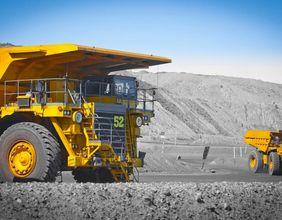
The resource industries segment ties Caterpillar directly to the mining cycle. This unit builds the giant trucks, shovels, and drilling equipment that extract coal, copper, iron ore, and other commodities. Demand tracks miners' capital spending, which in turn follows commodity prices and the appetite to expand production. A firm commodity backdrop tends to loosen mining budgets, driving orders for new equipment and the parts and services that keep fleets running across remote sites.
The energy transition has added a fresh dimension to mining demand. Metals such as copper, lithium, and nickel are essential to electrification, and rising demand for these materials supports long-term mining activity. Caterpillar stands to benefit as miners expand output of transition-critical commodities, giving the resource segment a structural tailwind alongside the traditional cycle. Commentary on mining-customer sentiment and equipment-replacement cycles will help the market gauge where this segment sits in its swing.
What Could Shape the Next Phase?
The energy and transportation segment rounds out the portfolio, supplying engines, turbines, and power systems for oil and gas, power generation, marine, and rail applications. This unit connects Caterpillar directly to the energy complex, since much of its equipment powers drilling rigs, pipelines, and generators. Demand tracks activity in oil and gas fields as well as the broader need for reliable power, including backup generation for data centers and industrial sites.
The surge in data-center construction has become a notable driver for this segment, as operators install large amounts of on-site power capacity to feed computing demand. That trend layers a structural growth theme onto the traditional oil-and-gas cycle. With energy prices elevated and power demand climbing, the segment sits at the intersection of two powerful forces. How order flow across these applications trends will shape the segment's contribution in the periods ahead.
Sector Signals Worth Following
The climb in crude oil above the hundred-dollar mark, driven by Red Sea shipping disruption, feeds directly into the Caterpillar story. Higher energy prices tend to spur activity across oil and gas fields, lifting demand for the engines, generators, and equipment the company supplies to drillers and pipeline operators. A sustained energy upcycle historically flows through to firmer orders in the energy segment, making the oil backdrop a meaningful thread in the machinery narrative.
The relationship cuts across other segments too. Elevated commodity prices, energy included, tend to loosen the capital budgets of miners and producers, supporting demand for heavy equipment more broadly. At the same time, costlier fuel raises operating expenses for construction fleets and feeds the inflation picture that shapes the central bank's thinking. Caterpillar therefore sits squarely within the energy story unfolding this week, both as a supplier to the sector and as a company exposed to the wider inflation backdrop.
Why This Theme Is Gaining Attention
Across the Industrial Stocks category this week, the mood has been shaped by the tug-of-war between resilient demand and the drag of higher financing costs. Cyclical names tied to construction and capital spending have swung with each fresh data point on growth, while defense and aerospace names have followed their own recovery arc. Caterpillar sits firmly in the cyclical camp, so its trading often mirrors the market's shifting confidence in the durability of global expansion.
Within the S&P 500, Caterpillar ranks among the industrial heavyweights whose moves carry weight for the broad benchmark and for sector-specific gauges alike. Its status as a bellwether means updates from the company are read not just for their own sake but as a signal about the health of construction, mining, and energy end markets worldwide. That amplifies the attention around any commentary on demand trends as the reporting season progresses.
Looking Beyond the Headlines
The central bank rate decision midweek carries direct relevance for heavy-equipment demand. Construction firms, miners, and energy producers typically finance large machinery orders with debt, so the cost of credit shapes how readily they commit to new fleets. With rates widely expected to stay steady while officials debate a possible move later in the year, the market is watching for any signal about the trajectory of borrowing costs and its knock-on effect on capital spending.
A steadier or easing rate environment would tend to support demand for Caterpillar's machines, easing the financing math for its customers. Conversely, a hawkish signal could cool big-ticket ordering just as some end markets show sensitivity to credit conditions. Because the company operates globally, decisions by other central banks matter too, layering additional complexity onto the picture. The rate backdrop therefore stands alongside the commodity story as a key frame for the machinery giant this week.
What Investors Are Watching
Caterpillar reaches its customers through an extensive independent dealer network that spans the globe. These dealers distribute and service equipment, carry inventory, and provide the local relationships that underpin demand. The strength of this network is a defining competitive advantage, since it ensures machines can be serviced almost anywhere and parts delivered quickly. Dealer sentiment and ordering patterns offer an early read on end-market demand, making the network a valuable window into the cycle.
The aftermarket business, spanning parts, service, and support, provides a steadier counterweight to the cyclical swing of new-equipment orders. Once a machine is in the field, it needs parts and maintenance throughout its long working life, generating recurring revenue that cushions downturns. Caterpillar has emphasized growing this services stream, since it smooths the earnings pattern and deepens customer relationships. The mix between new-equipment cyclicality and steadier services revenue is central to how the company weathers the ups and downs of demand.
How Companies Fit the Broader Picture
The order backlog and dealer inventory levels rank among the most watched indicators for Caterpillar. A rising backlog signals firm demand and gives visibility into coming production, while dealer inventory reveals whether machines are moving through to end users or piling up. The market reads shifts in these measures for early signs of a turn in the cycle, since equipment demand can inflect quickly when confidence changes.
Managing production to match demand is a perennial challenge. Building too many machines could lead to bloated inventories and discounting, while building too few leaves orders unfilled and customers frustrated. Caterpillar aims to keep dealer inventories within a healthy band, adjusting output as demand signals evolve. Commentary on backlog trends and inventory positioning will help the market judge where the company sits in the current cycle and how it is steering through shifting conditions.
Global exposure and currency crosswinds
Caterpillar's sprawling global footprint exposes it to currency swings and regional economic divergence. A large share of revenue comes from outside its home market, so movements in exchange rates can meaningfully affect reported results even when underlying demand stays steady. A strong home currency can dent the translated value of overseas revenue, while a weaker one flatters it. These crosswinds add a layer of complexity to interpreting each reporting period.
Regional divergence compounds the currency effect. Growth in developing economies, infrastructure spending in mature markets, and commodity-driven demand in resource regions all move on different rhythms. Caterpillar's breadth means weakness in one area can be offset by strength elsewhere, lending some stability, but it also means the company is exposed to a wide array of geopolitical and macroeconomic crosscurrents. Reading how these regional threads net out is central to understanding the machinery giant's trajectory.
Competition across heavy machinery
Caterpillar competes against a field of formidable global machinery makers across its segments. Rivals span construction equipment, mining machinery, and engines, and competition plays out through technology, dealer support, pricing, and total cost of ownership. Caterpillar's scale, brand strength, and dealer network give it a durable edge, but competitors press hard in specific niches and geographies. Maintaining a technological advantage, particularly around automation, electrification, and connected machines, is central to defending its standing.
Innovation has become an increasingly important battleground. Autonomous haulage in mining, electrified equipment for lower-emission job sites, and digital tools that track machine health are reshaping how the industry competes. Caterpillar has channeled significant resources into these capabilities, aiming to keep its equipment at the technological frontier. How well the company translates that innovation into demand and margin advantage will shape its competitive position as the industry evolves toward automation and cleaner power.
Recent developments and portfolio moves
Recent developments have kept Caterpillar in the news flow. The company has rolled out new and updated equipment lines, expanded its offerings in electrified and lower-emission machinery, and deepened its push into services and connected-machine technology. Order activity across construction and energy applications has remained a focal point, with data-center power demand emerging as a notable bright spot. Each update adds texture to the demand picture heading into the reporting cycle.
The company has also continued distributing capital to the market through dividends and a steady reduction in its share count, a practice it has maintained across cycles. Its standing as a long-running dividend payer draws a particular following among those seeking steady distributions from an industrial bellwether. Alongside these capital moves, ongoing efficiency efforts and disciplined cost management have featured in the company's messaging, reflecting a focus on defending margins through the swings of a cyclical business.
Challenges facing the equipment maker
Caterpillar faces the classic challenges of a deeply cyclical enterprise. Demand for heavy equipment can swing sharply with commodity prices, construction activity, and financing conditions, making revenue inherently volatile. A downturn in any major end market, whether mining, construction, or energy, can quickly ripple through orders. Managing production, costs, and dealer inventory through these swings is a constant balancing act, and any misstep can leave the company exposed to inventory gluts or missed demand.
External pressures add further uncertainty. Elevated energy and material costs, currency volatility, supply-chain friction, and geopolitical tension all bear on the business. Trade dynamics and tariffs can affect both costs and demand across the company's global operations. Navigating this landscape while advancing electrification and automation demands disciplined execution. The market watches each update for signs that Caterpillar is managing these pressures without sacrificing the margin gains it has worked to build.
Broader market relevance
As a bellwether for the global economy and a heavyweight within the industrial group, Caterpillar carries relevance far beyond its own product lines. Its equipment underpins construction, mining, and energy activity worldwide, so its read on demand serves as a signal about the health of the broader expansion. When the machinery giant speaks to the market, peers across the cyclical landscape tend to trade in sympathy, underscoring its role as a barometer for capital spending.
With the reporting season in full swing, crude oil climbing, and a central bank decision on the horizon, Caterpillar sits at the meeting point of company-specific execution and powerful macro forces. The market is weighing how construction, mining, and energy demand fare against the backdrop of higher energy costs and shifting credit conditions. However the coming updates land, the company's status as a cyclical bellwether keeps it firmly in view as one of the most watched industrial names this week.
