
 AUS
AUS
 NZ
NZ
 UK
UK
 CA
CA
 USA
USA
 IND
IND





Highlights
- Diversified aerospace and defense contractor with global operations
- Operations span aviation, land, marine, and mission systems divisions
- Significant engagement with government and commercial clients
General Dynamics operations within the s&p 500 encompass aerospace, land, marine, and mission systems, delivering advanced platforms, services, and cybersecurity solutions to government and commercial clients worldwide.
The aerospace and defense sector is a key component of the industrial and technology segments of the economy, encompassing companies that design, manufacture, and support complex systems for governmental and commercial purposes. General Dynamics Corporation (NYSE:GD) operates within this sector as a leading aerospace and defense contractor. Its presence in benchmarks such as the s&p 500 highlights the company’s role among large-cap U.S. corporations contributing to national security, transportation, and technological infrastructure.
Companies in this sector combine engineering, manufacturing, and information technology expertise to deliver platforms and systems across multiple domains. Government contracts often drive long-term project planning, while commercial activities support business aviation and services.
Aviation and Business Jet Operations
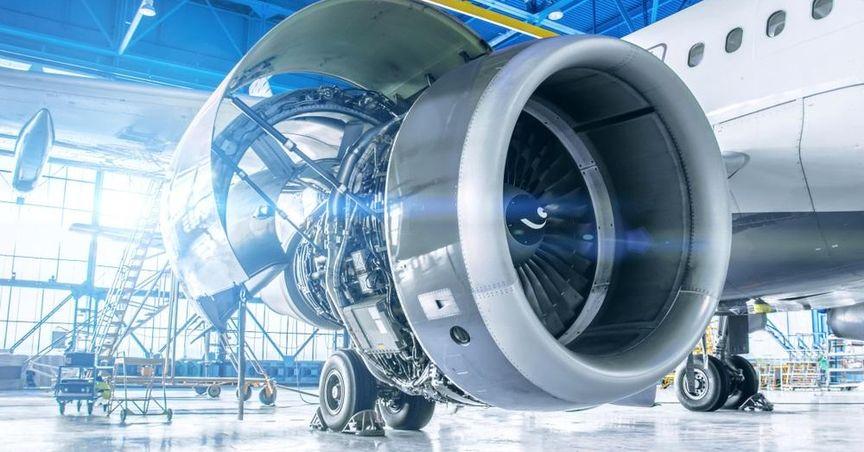
Aviation operations focus on business and commercial aircraft, including design, production, maintenance, and aftermarket support. General Dynamics (NYSE:GD) develops and supports Gulfstream business jets, integrating avionics, propulsion, and cabin systems.
Operations include engineering, assembly, and flight testing to meet regulatory and safety standards. Maintenance and support services extend the operational life of aircraft, providing technical upgrades, parts supply, and training for operators.
Business aviation serves corporate, governmental, and private operators, offering platforms for efficient travel and operational flexibility. Continuous technological upgrades enhance performance, efficiency, and safety across aircraft models.
Land Systems and Armored Vehicles
The land systems division designs, produces, and maintains armored combat vehicles, tactical wheeled vehicles, and related logistics services. General Dynamics (NYSE:GD) provides vehicles for defense forces worldwide, combining mobility, protection, and communications capabilities.
Manufacturing processes include armored hull fabrication, vehicle integration, and testing in operational environments. Logistic and sustainment services ensure readiness, field support, and lifecycle maintenance of deployed platforms.
Contractual engagements with defense departments and allied nations support modernization programs and mission-critical deployments. Vehicle designs incorporate modularity for upgrades and adaptation to evolving operational requirements.
Marine Systems and Shipbuilding
Marine operations encompass design and construction of submarines, surface ships, and related support systems. The division combines naval architecture, engineering, and industrial fabrication to deliver vessels to defense and security organizations.
Shipbuilding projects include propulsion systems, combat systems integration, and electronic warfare capabilities. Construction occurs in specialized facilities equipped for steel fabrication, assembly, and systems testing.
Marine services also include maintenance, modernization, and training for naval personnel, ensuring operational readiness and lifecycle sustainability of vessels.
Mission Systems and Information Technology
Mission systems provide command-and-control platforms, cybersecurity solutions, communications networks, and systems integration for government and defense clients. General Dynamics (NYSE:GD) develops software and hardware solutions that support situational awareness, information management, and operational security.
Cybersecurity operations focus on protecting critical data, networks, and infrastructure from threats. Systems integration combines hardware, software, and networking to create comprehensive solutions that enhance operational effectiveness.
Information technology services extend to managed services, cloud computing, and enterprise solutions for clients requiring secure, reliable, and scalable platforms.
Market Position and Institutional Participation
Companies in the aerospace and defense sector are monitored by institutional stakeholders, including large funds, government entities, and corporate portfolios. Ownership structures often include a significant proportion of institutional shares, reflecting engagement with entities tracking operational performance and contract awards.
General Dynamics (NYSE:GD) maintains substantial institutional participation, emphasizing the company’s integration within capital markets and its role in benchmarks like the s&p 500 index fund. Market activity for aerospace contractors is influenced by contract awards, program schedules, and geopolitical considerations.
Financial stability and operational scale enable companies to support extensive research and development programs, workforce development, and infrastructure expansion. Compliance with regulatory requirements and safety standards is central to operational continuity and reputation management.
Environmental and Operational Considerations
Aerospace and defense companies incorporate environmental, health, and safety measures across manufacturing and operational facilities. This includes emissions management, waste reduction, and energy efficiency initiatives.
Operational planning includes workforce training, industrial safety protocols, and mitigation of environmental impacts associated with manufacturing and logistics. Sustainable practices contribute to long-term operational stability and support regulatory compliance.
Integration of technology, workforce expertise, and infrastructure ensures that aerospace and defense companies like General Dynamics (NYSE:GD) remain capable of delivering complex systems across aviation, land, marine, and mission domains.
