
 AUS
AUS
 NZ
NZ
 UK
UK
 CA
CA
 USA
USA
 IND
IND

.jpg)




Highlights
- GE Aerospace focuses on aircraft engines and propulsion systems
- The company serves commercial aviation and defense sectors globally
- Its presence aligns with broader S&P 500 Fund market participation
GE Aerospace (NYSE:GE) operates as a global aerospace manufacturer specializing in aircraft engines, propulsion technologies, and aftermarket services for aviation and defense industries. The company represents a major industrial entity within U.S. equity markets and aligns with broader benchmarks such as the S&P 500 Fund, reflecting its scale and influence among large publicly traded corporations. As part of General Electric’s transformation into a focused aerospace enterprise, GE Aerospace delivers advanced propulsion solutions to airlines, aircraft manufacturers, and defense organizations worldwide.
GE Aerospace Business Structure Explained
GE Aerospace functions as a dedicated aviation technology provider, concentrating on the design, development, and servicing of aircraft propulsion systems. Its product portfolio includes commercial jet engines, military propulsion systems, and related engineering solutions that support aircraft performance across multiple categories.
The company collaborates with aircraft manufacturers to integrate propulsion systems into airframes used in both passenger and cargo transportation. In addition, GE Aerospace supports defense programs through engine technologies designed for military aircraft applications. This dual-market presence allows the organization to maintain diversified operational exposure across civil aviation and defense sectors.
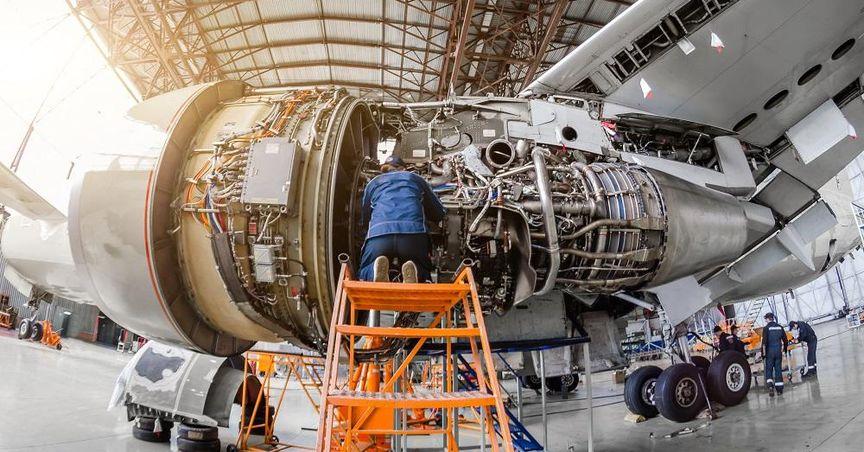
Aftermarket services form a central component of the business model. Maintenance, repair, and overhaul services ensure long-term operational efficiency of aircraft engines, creating ongoing service relationships with aviation operators. This integrated approach supports lifecycle management of propulsion systems and enhances operational continuity across fleets.
Aircraft Engine Portfolio And Capabilities
GE Aerospace develops a wide range of jet engines designed for different aircraft categories, including narrow-body, wide-body, regional, and military platforms. These engines are engineered to deliver efficiency, durability, and performance under varying operating conditions.
Commercial aviation engines are used by airlines for passenger transport, cargo logistics, and long-haul international routes. Military propulsion systems support defense aircraft used in surveillance, transport, and combat operations. The company’s engineering capabilities extend to fuel efficiency optimization and emissions reduction technologies, aligning with evolving industry standards.
Spare parts, components, and system upgrades complement the engine portfolio. These offerings ensure that aircraft operators can maintain performance levels and comply with regulatory requirements. Through its extensive product lineup, GE Aerospace maintains a comprehensive presence within the global aviation ecosystem.
Operational Performance And Financial Metrics
GE Aerospace has demonstrated consistent operational activity supported by its diversified product and service offerings. Public disclosures indicate that the company reported quarterly performance exceeding consensus expectations, reflecting strong demand across commercial and defense aviation segments.
Financial metrics such as return on equity and margin levels illustrate operational efficiency and capital utilization within the business structure. Liquidity measures, including current and quick ratios, provide an indication of the company’s ability to manage short-term obligations while maintaining operational stability.
Market capitalization places GE Aerospace among the largest industrial organizations listed on U.S. exchanges. Moving averages offer a descriptive perspective on historical share activity, while valuation multiples outline relationships between price levels and financial indicators. These measures provide contextual information regarding the company’s standing within the industrial and aerospace sectors.
Market Position Within Aviation Sector
GE Aerospace occupies a leading position within the global aerospace industry, competing with other engine manufacturers and propulsion system providers. Its long-standing relationships with airlines and aircraft manufacturers support its market presence across international aviation networks.
The company’s role extends beyond manufacturing into system integration and lifecycle support. By delivering both products and services, GE Aerospace maintains operational continuity for aviation customers and strengthens long-term engagement within the sector.
Within broader equity discussions, industrial leaders such as GE Aerospace are frequently referenced alongside market indicators like the S&P 500 index, which represents a diversified group of large-cap companies across sectors. This association reflects the company’s scale and integration into the broader industrial landscape.
Institutional Ownership And Market Participation
Institutional participation remains a defining characteristic of GE Aerospace’s shareholder base. Asset management firms and financial institutions maintain positions in the company, reflecting its standing within large-cap equity frameworks.
Ownership patterns demonstrate that a significant portion of outstanding shares is held by professional capital managers. These entities adjust positions periodically based on portfolio allocation strategies, reflecting standard market participation dynamics for companies of this scale.
Institutional engagement also contributes to governance structures through voting rights and shareholder communications. This interaction supports transparency and accountability within publicly traded organizations.
Technological Innovation And Engineering Focus
Innovation remains a core element of GE Aerospace’s operational strategy. The company invests in engineering advancements aimed at improving propulsion efficiency, reducing environmental impact, and enhancing aircraft performance.
Research and development initiatives focus on next-generation engine designs, materials engineering, and digital monitoring systems. These efforts support the aviation industry’s transition toward more efficient and sustainable operations.
Digital integration plays a growing role in engine monitoring and maintenance. Data analytics tools enable predictive maintenance, allowing operators to monitor engine performance and address maintenance requirements proactively. This technological integration enhances reliability and reduces operational disruptions across aviation fleets.
Global Reach And Customer Base
GE Aerospace serves a global customer base that includes commercial airlines, cargo operators, business aviation clients, and defense organizations. Its engines power aircraft operating across international routes, connecting regions through passenger travel and logistics networks.
The company’s global presence extends through service facilities, engineering centers, and partnerships with aviation stakeholders. This network enables GE Aerospace to provide support services across multiple geographic regions, ensuring consistent performance for aircraft operators worldwide.
Defense contracts further expand the company’s reach, supporting military aviation programs that require specialized propulsion systems. By serving both commercial and defense sectors, GE Aerospace maintains a broad operational footprint within the aviation industry.
Financial Structure And Capital Allocation
The financial framework of GE Aerospace reflects a balance between operational and capital management. Debt-to-equity ratios indicate how the company structures its financing, while liquidity metrics provide insight into its ability to meet operational requirements.
Capital allocation supports research initiatives, manufacturing capabilities, and service infrastructure. The company’s financial structure enables continued engineering innovation while maintaining operational stability across its business segments.
Dividend practices and financial planning align with standard corporate strategies employed by large industrial organizations. These measures support long-term sustainability within the company’s operational framework.
Industry Trends And Market Integration
The aerospace industry continues to evolve in response to technological advancements, environmental considerations, and global travel demand. GE Aerospace participates in this evolving landscape through its focus on engine efficiency, digital integration, and service expansion.
Within broader market narratives, companies like GE Aerospace are often associated with indicators such as S&P 500 Today, which reflect overall market sentiment and sector participation. These references highlight the company’s role within the industrial segment of large-cap equity markets.
Aviation demand, fleet modernization, and sustainability initiatives continue to shape industry direction. GE Aerospace’s product and service offerings align with these trends, supporting the operational requirements of airlines and defense organizations.
Engineering Ecosystem And Future Direction
GE Aerospace operates within a complex engineering ecosystem that includes suppliers, aircraft manufacturers, and service providers. Collaboration across this network supports the development of integrated propulsion systems and maintenance solutions.
The company’s engineering expertise extends to materials science, thermodynamics, and digital systems integration. These capabilities enable the development of engines that meet performance, safety, and regulatory standards across global aviation markets.
Through continuous innovation and operational focus, GE Aerospace (NYSE:GE) remains embedded within the global aviation infrastructure, supporting aircraft performance and connectivity across international transportation networks.
