
 AUS
AUS
 NZ
NZ
 UK
UK
 CA
CA
 USA
USA
 IND
IND





Highlights
- Broad demand strengthens the outlook.
- Data centers add fresh momentum.
- Tariff risks remain unresolved.
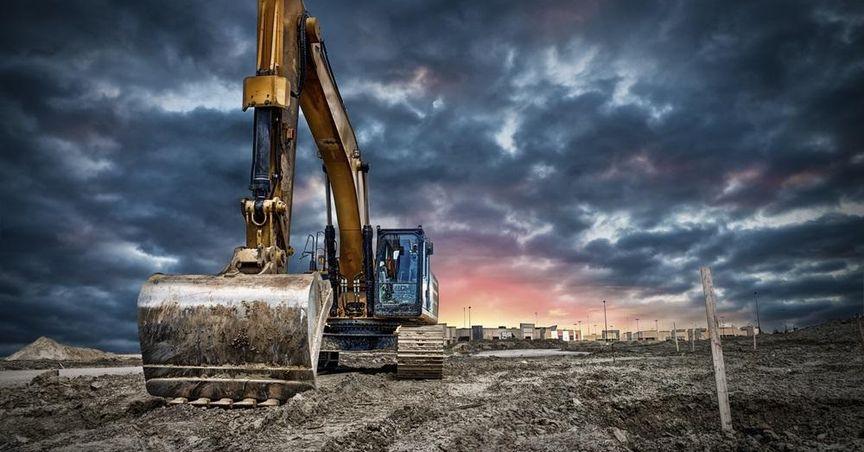
Caterpillars expanding exposure to infrastructure, power generation, defense, construction, and data centers strengthens its outlook, while tariffs, execution demands, and economic uncertainty continue shaping expectations around future performance.
Caterpillar (NYSE:CAT) is drawing renewed market attention as stronger demand projections across construction, energy, aerospace, defense, and infrastructure reshape expectations for its growth path. The industrial equipment leaders place in the Dow Jones Industrial Average also keeps its performance closely connected to wider views on capital spending and economic activity.
Broad Demand Strengthens Growth
Caterpillar is a global manufacturer of construction machinery, mining equipment, industrial engines, and power systems used across major economic sectors. Its expanding opportunity set now extends beyond traditional construction and resource markets, supported by activity in data centers, defense projects, transportation networks, and large infrastructure programs.
Stronger projections across several end markets suggest that the company is becoming less dependent on any single industrial stock cycle. Construction activity remains important, but growing power requirements and large-scale digital infrastructure projects are creating additional demand for engines, generators, and related equipment.
This broader exposure could provide greater balance when individual markets experience slower conditions. It also increases the importance of execution, production discipline, and supply chain reliability as customers seek equipment for complex and time-sensitive projects.
Data Centers Create New Momentum
The rapid expansion of artificial intelligence infrastructure is increasing electricity demand across the United States. Data centers require reliable power systems, backup generation, cooling support, and equipment capable of operating under heavy workloads.
Caterpillars power-generation portfolio gives the company meaningful exposure to this trend. Its engines and generator systems can support facilities that require dependable energy during grid interruptions or periods of unusually high demand.
This opportunity broadens the companys role beyond heavy machinery. Caterpillar is increasingly connected to the physical infrastructure supporting cloud computing, artificial intelligence, and digital services.
Data center construction may also support related demand for earthmoving equipment, transportation machinery, and site-development tools. That creates several possible revenue channels from the same long-term infrastructure trend.
Record Backlog Supports Visibility
A substantial order backlog provides clearer visibility into future production and customer activity. It indicates that organizations across multiple sectors continue committing capital to equipment, replacement programs, and large development projects.
Backlog strength can help Caterpillar plan manufacturing activity while giving suppliers greater insight into future requirements. It may also support steadier factory utilization when new order activity fluctuates.
However, a large backlog does not remove execution risk. Delivering equipment on schedule depends on component availability, transportation networks, workforce productivity, and stable input costs.
The durability of demand will therefore matter as much as the size of the existing order book. Continued project activity across construction, energy, defense, and digital infrastructure would strengthen the case that current demand reflects a lasting capital-spending cycle rather than a temporary surge.
Infrastructure Spending Expands Opportunities
Public and private infrastructure development remains an important source of demand for Caterpillar. Roads, bridges, power networks, industrial facilities, and transportation projects require machinery throughout excavation, construction, maintenance, and repair.
The companys equipment portfolio gives it exposure to several stages of these projects. Large developments may require loaders, excavators, engines, generators, and specialized machinery over extended periods.
Infrastructure activity can also support replacement demand as contractors modernize aging fleets and seek equipment with improved fuel efficiency, automation, and digital monitoring features.
Caterpillars connected technologies may strengthen customer relationships by helping operators track machine performance, reduce downtime, and manage maintenance more effectively. These services can deepen the companys role after the initial equipment delivery.
Tariffs Remain A Major Risk
The improving demand outlook does not eliminate concerns surrounding tariffs, trade policy, and geopolitical uncertainty. Heavy equipment manufacturing relies on international supply chains, raw materials, and components that may become more expensive when trade restrictions change.
Higher input costs can pressure margins when pricing adjustments do not fully offset the impact. Tariffs may also affect customer confidence by increasing project expenses or delaying major capital decisions.
Caterpillar operates across numerous regions, making currency movements, political conditions, and trade relationships important parts of its risk profile. Strong demand can provide some protection, but sustained disruption could still affect production costs and delivery schedules.
Valuation Expectations Require Execution
More favorable earnings projections reflect confidence in Caterpillars backlog, pricing discipline, and diverse end-market exposure. Yet stronger expectations also raise the standard for future performance.
The company must convert demand into profitable deliveries while controlling costs and maintaining service quality. Any slowdown in construction activity, infrastructure funding, data center development, or industrial capital spending could challenge current assumptions.
Caterpillar (NYSE:CAT) narrative is therefore becoming increasingly tied to execution across several growth markets at once. Its machinery business remains central, but power generation, digital infrastructure, and defense-related activity are adding new dimensions to the outlook.
The central question is whether these demand drivers can remain strong enough to outweigh tariff pressure and economic uncertainty. Current projections suggest confidence is improving, though future results will determine whether that confidence becomes durable.
