
 AUS
AUS
 NZ
NZ
 UK
UK
 CA
CA
 USA
USA
 IND
IND





Highlights
- FedEx reaches fresh price strength on logistics demand
- Freight and parcel momentum supports market interest
- Tariff-linked uncertainty shapes sentiment in logistics sector
FedEx reflects evolving logistics and freight dynamics across global trade networks, highlighting its role in supply chain efficiency and transportation infrastructure within the broader NYSE composite index environment.
The evolving environment of equity movement linked to freight, logistics, and global supply chain operators continues to influence sentiment across the nyse composite index. Within this landscape, FedEx Corporation (NYSE:FDX), a global transportation and logistics provider specializing in express parcel delivery, air freight services, and supply chain solutions, has drawn significant attention following its latest market performance and shifting operational dynamics across international trade networks.
FedEx Market Position Strengthens
FedEx Corporation operates one of the world’s most extensive logistics networks, offering express shipping, ground delivery, freight transportation, and supply chain management solutions across global markets. The company plays a critical role in connecting businesses and consumers through time-sensitive delivery systems supported by integrated air and ground infrastructure.
Recent market activity reflects renewed attention on logistics demand patterns and enterprise shipping volumes. FedEx continues to serve industries ranging from manufacturing to e-commerce, ensuring the movement of goods across domestic and international corridors.
Freight and Delivery Network Dynamics
FedEx’s global delivery network is built on a combination of air cargo operations, ground transportation systems, and advanced logistics technology. Its express segment focuses on fast delivery services, while its ground division supports large-scale parcel distribution across regional markets.
The freight division handles heavy and less-than-truckload shipments, enabling businesses to transport bulk goods efficiently. These interconnected segments allow FedEx to maintain operational flexibility across different market conditions.
Shifts in global trade patterns and e-commerce demand continue to influence freight volumes, shaping the company’s operational landscape and network utilization.
Logistics Sector Movement and Market Behavior
The logistics industry remains closely tied to global economic activity, with shipping volumes often reflecting broader trade conditions. FedEx’s performance is influenced by changes in industrial production, consumer demand, and cross-border commerce flows.
Within the broader communication stock and transportation-linked ecosystem, logistics providers play a key role in enabling global connectivity. Their operations support supply chains across retail, manufacturing, and digital commerce platforms.
This interconnected structure places logistics companies at the center of global economic movement and trade facilitation.
E-Commerce and Parcel Demand Trends
E-commerce continues to be a major driver of parcel delivery demand, reshaping logistics operations worldwide. FedEx’s infrastructure supports high-volume package movement across domestic and international markets, enabling efficient delivery for online retail ecosystems.
The company’s ability to handle fluctuating shipment volumes allows it to adapt to seasonal and demand-driven cycles. This flexibility is critical in maintaining service reliability across diverse geographic regions.
As digital commerce expands, logistics providers remain integral to ensuring timely and efficient product delivery across global supply chains.
Supply Chain Integration and Efficiency
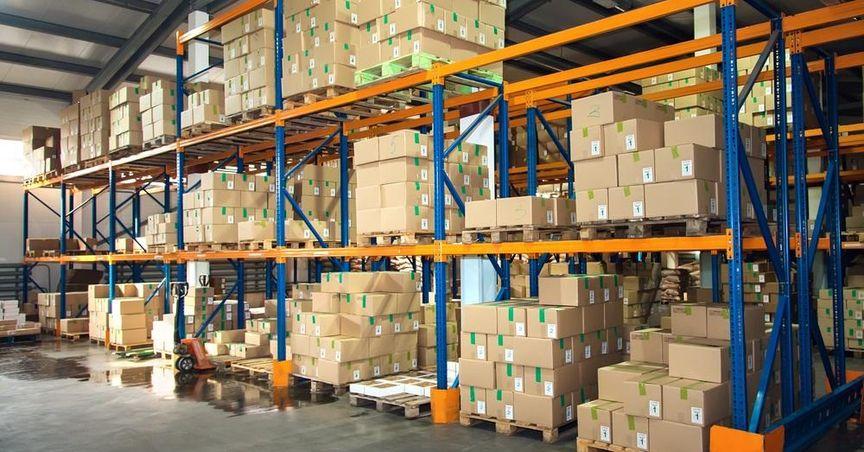
FedEx’s integrated supply chain solutions combine transportation, warehousing, and logistics technology to streamline global operations. These services are designed to optimize delivery routes, reduce transit times, and improve operational efficiency.
The company’s supply chain division supports enterprise clients with end-to-end logistics solutions, including inventory management and distribution planning. This integration enhances visibility and coordination across complex global networks.
Within broader industrial ecosystems, including the Industrial Stocks Sector, logistics infrastructure plays a key role in supporting trade and distribution systems.
Trade Flow Sensitivity and Market Response
Global logistics providers like FedEx are highly sensitive to shifts in international trade flows and regulatory frameworks. Changes in import-export activity, shipping regulations, and customs structures can influence operational dynamics.
The company’s global footprint requires continuous adaptation to evolving trade environments, ensuring smooth movement of goods across borders. This adaptability is central to maintaining service continuity in a dynamic global economy.
Market behavior often reflects these underlying operational factors, particularly in sectors tied to global supply chain movement.
Transportation Infrastructure and Network Scale
FedEx operates one of the most extensive transportation networks in the world, combining air hubs, ground distribution centers, and advanced logistics systems. This infrastructure enables efficient routing and delivery across multiple continents.
Its air fleet and ground transportation systems work in coordination to ensure timely shipment handling and delivery execution. The scale of this network allows FedEx to serve a wide range of industries with varying logistics requirements.
This infrastructure-heavy model positions the company as a key participant in global trade logistics and transportation services.
Industry Position and Competitive Landscape
FedEx remains a major participant in the global logistics industry, competing across express delivery, freight services, and supply chain management segments. Its diversified service offerings allow it to address multiple market needs within the logistics ecosystem.
The company’s role in supporting global commerce places it within a critical segment of the transportation industry, where efficiency, speed, and reliability are essential.
Broader trends in industrial logistics and transportation continue to influence operational strategies across the sector.
Market Sentiment and Operational Focus
Market sentiment around FedEx Corporation (NYSE:FDX), reflects broader dynamics in global logistics and transportation demand. Operational performance, shipping volumes, and supply chain efficiency remain key areas of focus.
The company’s extensive infrastructure and global reach ensure its continued relevance in facilitating international trade. Its operations remain closely tied to economic activity across multiple regions and industries. This positioning reinforces FedEx’s role as a central component of global logistics systems.
