
 AUS
AUS
 NZ
NZ
 UK
UK
 CA
CA
 USA
USA
 IND
IND




Highlights
- Deere & Company operates across agriculture, construction, and forestry equipment
- The company integrates machinery with precision technology systems
- Market presence reflects inclusion among large-cap benchmarks like Russell 1000
Deere & Company (NYSE:DE), widely recognized through its John Deere brand, operates as a global manufacturer of agricultural, construction, and forestry equipment alongside advanced technology systems that support modern farming and industrial applications. The company’s operations extend across machinery development, digital farming solutions, and equipment connectivity platforms, positioning it among established industrial enterprises within global equity benchmarks such as the Russell 1000. Headquartered in the United States, Deere & Company has developed a broad operational footprint supported by its legacy in agricultural engineering and its continued focus on integrating digital technologies into equipment ecosystems.
Agricultural Machinery Drives Core Operations
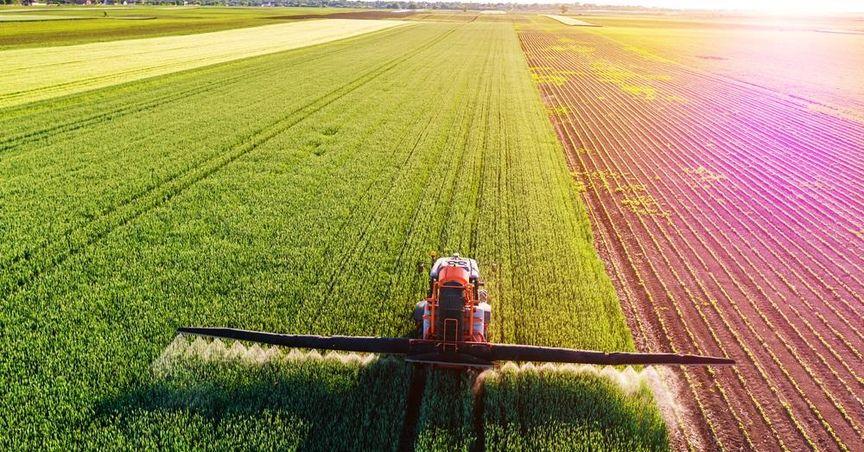
Deere & Company maintains a central focus on agricultural machinery, producing equipment designed to support large-scale farming operations. Its product portfolio includes tractors, harvesters, planters, sprayers, and tillage systems, each engineered to improve efficiency across agricultural workflows. These machines assist farmers in managing soil preparation, planting cycles, crop maintenance, and harvesting processes.
Agricultural equipment produced by Deere & Company is designed to operate across diverse environmental conditions, enabling use in various geographic regions. The integration of mechanical engineering with digital systems enhances productivity in farming operations by improving precision in planting and resource utilization.
The company’s role within agriculture extends beyond equipment manufacturing, as it contributes to the development of modern farming practices through the adoption of data-driven tools. These tools allow farm operators to monitor field conditions, adjust inputs, and manage crop cycles more effectively.
Construction And Forestry Equipment Portfolio
In addition to agriculture, Deere & Company produces equipment used in construction and forestry sectors. Construction machinery includes excavators, loaders, and other heavy equipment designed for infrastructure development and material handling. These machines support projects such as road construction, building development, and site preparation.
Forestry equipment manufactured by the company is used for timber harvesting, land management, and logging operations. These machines are engineered to operate in rugged environments while maintaining efficiency and durability. Forestry solutions contribute to resource management and support industries involved in wood processing and land utilization.
By maintaining operations across multiple industrial segments, Deere & Company achieves diversification within equipment manufacturing. This diversification allows the organization to serve industries that require specialized machinery for large-scale operations.
Precision Agriculture Technology Integration
Deere & Company has incorporated precision agriculture technologies into its machinery to enhance operational efficiency. These technologies include telematics systems, GPS-guided equipment, and data analytics platforms that provide real-time insights into farming activities.
Precision agriculture solutions enable farmers to manage resources such as seeds, water, and fertilizers with greater accuracy. Equipment equipped with digital monitoring systems allows operators to track machine performance and field conditions simultaneously.
The integration of connectivity into agricultural machinery supports decision-making processes by providing data-driven insights. This approach aligns with broader trends in digital transformation across industrial sectors, where data analytics plays a significant role in improving operational outcomes.
Financial Structure And Market Positioning
Deere & Company’s financial framework reflects its position as a large-scale industrial manufacturer. Public disclosures describe valuation metrics, liquidity measures, and leverage ratios that outline the company’s capital structure. These figures indicate how the organization balances operational with financial obligations.
Market capitalization places the company among major industrial enterprises listed on the New York Stock Exchange. Moving averages provide historical context for trading activity, while valuation ratios describe relationships between market pricing and financial performance.
Institutional participation remains significant, with various capital managers maintaining positions in the company. Such participation aligns with companies that are part of diversified portfolios tracking broad benchmarks, including instruments related to the s&p 500 index fund, which aggregates large publicly traded firms across multiple sectors.
The company’s financial structure supports ongoing product development, manufacturing expansion, and integration of digital technologies into equipment systems.
Equipment Innovation And Engineering Focus
Innovation in machinery design remains a defining characteristic of Deere & Company’s operations. Engineering efforts focus on improving equipment efficiency, durability, and adaptability to changing industry requirements. Machinery design incorporates advanced materials and automated systems that enhance operational performance.
Technological enhancements in equipment include automation features, improved fuel efficiency, and integrated software systems that support machine diagnostics. These developments contribute to improved equipment functionality across agricultural and industrial applications.
The company’s emphasis on engineering innovation supports its ability to deliver solutions that meet evolving industry demands. Continuous development in machinery technology ensures that equipment remains aligned with modern operational requirements.
Global Market Presence And Distribution
Deere & Company operates across multiple geographic regions, supplying equipment to agricultural producers, construction firms, and forestry operations worldwide. Its distribution network includes dealerships, service centers, and partnerships that facilitate equipment availability and maintenance support.
Global operations allow the company to address diverse market needs, from large-scale farming operations in developed regions to infrastructure projects in emerging markets. Distribution channels ensure that equipment reaches customers efficiently while providing access to technical support services.
The company’s international presence strengthens its position within the global machinery market, enabling participation in various industrial sectors across continents.
Institutional Activity And Ownership Patterns
Institutional ownership patterns reflect ongoing engagement by large asset managers and financial entities in Deere & Company’s equity structure. Portfolio adjustments made by these entities are disclosed through regulatory filings and represent routine capital allocation decisions.
Ownership distribution indicates that a significant portion of shares is held by institutional participants, which is common among large-cap industrial companies. These entities manage diversified portfolios that include companies across sectors such as technology, healthcare, and industrial manufacturing.
Institutional participation contributes to governance oversight and aligns with broader market dynamics in which established companies remain part of diversified equity benchmarks.
Technology Evolution In Equipment Manufacturing
The evolution of equipment manufacturing increasingly incorporates digital systems and connectivity features. Deere & Company has integrated software platforms into its machinery to support monitoring, diagnostics, and operational optimization.
Connected equipment allows operators to track performance metrics and identify maintenance requirements in real time. These capabilities improve equipment reliability and reduce operational disruptions across agricultural and industrial activities.
Digital transformation in machinery manufacturing reflects a broader shift toward data-driven operations. Companies that integrate connectivity into their equipment contribute to enhanced efficiency across industries that rely on heavy machinery.
Role In Modern Agricultural Ecosystems
Deere & Company (NYSE:DE), contributes to modern agricultural ecosystems through its combination of machinery and technology solutions. Equipment designed for precision farming supports sustainable agricultural practices by optimizing resource usage and reducing environmental impact.
Agricultural ecosystems benefit from the integration of machinery, data analytics, and connectivity systems. These components work together to improve crop management and operational efficiency across farming operations.
The company’s participation in agricultural development underscores its role in supporting global food production systems. By providing advanced equipment and technology solutions, Deere & Company contributes to the efficiency and sustainability of agricultural activities worldwide.
