
 AUS
AUS
 NZ
NZ
 UK
UK
 CA
CA
 USA
USA
 IND
IND






Highlights
- Weak jobs data pressured industrial names.
- Dividend action showed financial confidence.
- The Skycatch deal strengthened mining technology.
Industrial sentiment weakened after softer labor data, but dividend action, technology expansion, and mining-focused digital tools kept the heavy equipment story active.
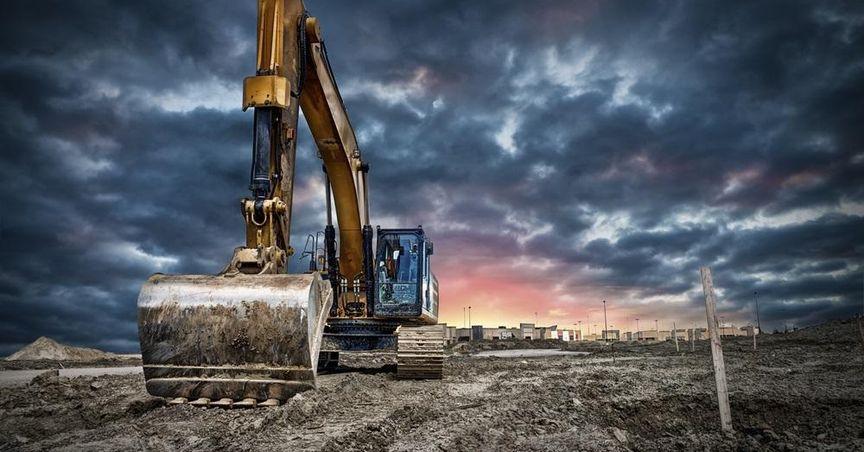
Caterpillar Inc. (NYSE:CAT), a global heavy equipment manufacturer serving construction, mining, energy, and infrastructure markets, moved lower as weaker labor-market data raised concerns about cyclical demand. The pressure came as broader market sentiment weakened across the NYSE Composite , with industrial companies facing fresh attention from macro uncertainty, rate expectations, and slower economic signals.
Jobs Data Pressure
The latest employment update created fresh concern across cyclical industries. For a company like Caterpillar, labor-market weakness matters because demand for heavy machinery is closely connected to construction activity, infrastructure projects, mining investment, and energy development.
When employment trends soften, large project owners may become more cautious. Construction firms may delay fleet expansion, mining companies may review capital plans, and infrastructure contractors may reassess equipment needs. This does not erase Caterpillar’s long-term position, but it can affect near-term sentiment around industrial demand.
Caterpillar’s equipment sits at the center of real economic activity. Its machines are used in roadwork, commercial construction, mine operations, quarrying, energy sites, and large infrastructure projects. That makes the company highly visible whenever economic data begins to signal slower momentum.
Industrial Sentiment Weakens
Caterpillar is strongly tied to the broader industrial cycle. Its performance is shaped by construction spending, commodity production, government infrastructure programs, and customer confidence.
During periods of economic uncertainty, industrial stocks can react quickly because market participants look for signs of future equipment demand. A weaker jobs report can raise concerns that companies may slow expansion plans or delay major capital projects.
Still, Caterpillar’s business is not dependent on one market alone. The company operates across construction industries, resource industries, and energy-related segments. This broad exposure helps reduce reliance on a single demand source, even though cyclical pressure can still affect sentiment.
Dividend Confidence Signal
Caterpillar also announced a higher quarterly dividend, adding a different message to the market narrative. Dividend growth can signal confidence in cash generation, balance-sheet strength, and long-term business durability.
For a cyclical industrial company, consistent dividend action carries weight because it reflects management’s confidence in the company’s ability to navigate changing market conditions. Caterpillar has built a reputation for returning capital through regular distributions while continuing to fund operations, product development, and strategic expansion.
The dividend update stood out because it arrived during a period of share-price weakness. While macro headlines weighed on industrial sentiment, the dividend move pointed to confidence in the company’s financial foundation.
Skycatch Deal Matters
Caterpillar’s acquisition of Skycatch Inc. added another important layer to the story. Skycatch is an AI-powered spatial data and digital twin solutions provider serving the mining industry.
The deal strengthens Caterpillar’s role beyond physical equipment. Mining customers increasingly need data tools that help improve planning, site mapping, safety, productivity, and equipment efficiency. Skycatch’s technology supports digital mine management by using advanced imaging, automation, and artificial intelligence.
This acquisition fits Caterpillar’s broader move toward technology-enabled industrial services. Rather than relying only on machine sales, the company is building tools that help customers manage equipment, analyze mine sites, and improve operating decisions.
Mining Technology Expands
Mining remains one of Caterpillar’s most important long-term markets. The industry requires large-scale equipment, long service relationships, and high-performance machinery capable of operating in demanding environments.
AI-based mine mapping and digital twin platforms can help mining operators make better decisions before work happens on the ground. These systems can support volume measurement, route planning, production tracking, and safety improvement.
For Caterpillar, this creates a stronger connection between machines and data. The company can provide equipment and digital tools that help customers extract more value from their operations.
This is why the Skycatch acquisition matters. It gives Caterpillar a stronger presence in industrial technology while staying closely aligned with its core mining customer base.
Infrastructure Demand Base
Caterpillar continues to benefit from long-term infrastructure needs. Roads, bridges, ports, utilities, and energy systems require heavy equipment throughout planning, construction, and maintenance cycles.
Even when economic data creates short-term uncertainty, infrastructure spending often develops over long timelines. Large public and private projects may take years to plan and complete, creating ongoing equipment requirements.
Caterpillar’s machines are used across these projects, including excavators, loaders, graders, bulldozers, trucks, and power systems. This broad product range helps the company remain relevant across multiple stages of infrastructure development.
The company fits most closely within the Industrial Stocks category because its core business is heavy machinery, construction equipment, mining equipment, engines, and industrial services.
Mining Demand Cycle
Caterpillar’s mining segment is also tied to global demand for metals, minerals, and energy resources. Mining companies depend on large equipment fleets to move material, operate pits, and maintain production schedules.
Demand for copper, lithium, iron ore, coal, and other resources continues influencing mine investment decisions. As electrification and energy transition themes develop, mining equipment demand may remain important over the long term.
Caterpillar’s position in mining is supported by scale, service networks, and customer relationships. Large mining operations often require reliable equipment support, replacement parts, maintenance systems, and fleet management tools.
That service depth gives Caterpillar a strong role even when new equipment demand becomes uneven.
Global Scale Advantage
Caterpillar’s global dealer network remains a major strength. The company serves customers across many countries and industries, giving it reach that smaller competitors often cannot match.
This network supports equipment sales, parts distribution, maintenance, financing, and customer service. In heavy equipment markets, after-sales support is often just as important as the machine itself.
Customers operating expensive equipment need reliable access to replacement parts and technical service. Caterpillar’s global footprint helps support that need and strengthens customer loyalty across construction, mining, and energy markets.
Financing Supports Customers
Caterpillar’s financing operations also support its broader equipment business. Heavy machinery can require large capital commitments, so financing options help customers access equipment through structured payment arrangements.
This business adds another layer to Caterpillar’s model. It supports equipment demand while creating a continuing customer relationship beyond the initial machine transaction.
During softer economic periods, financing support can remain important because customers may become more selective about capital spending. Access to structured financing can help equipment users manage purchasing decisions more effectively.
Macro Risks Remain
Caterpillar still faces several macro risks. Slower employment trends, higher energy costs, rate uncertainty, and cautious construction spending can all influence demand expectations.
Energy prices matter because heavy equipment users often operate fuel-intensive fleets. Rising costs can influence utilization, project economics, and replacement timing.
At the same time, rate uncertainty can affect borrowing costs for contractors, miners, and infrastructure developers. Since heavy machinery is capital intensive, financing conditions remain an important factor for demand.
These pressures explain why Caterpillar can move sharply when economic data changes the market mood.
Long-Term Strength
Despite near-term pressure, Caterpillar Inc. (NYSE:CAT) long-term business remains supported by infrastructure development, resource production, global construction needs, and industrial technology adoption.
The Skycatch deal shows that the company is not only defending its traditional equipment base but also expanding into data-driven mining tools. The dividend action reinforces confidence in cash generation.
The current market reaction reflects concern around macro data, but Caterpillar’s business story remains broader. Its role across construction, mining, infrastructure, energy, and industrial technology keeps it deeply connected to global economic activity.
For market watchers, the key issue is whether weaker labor data signals a deeper slowdown or only a temporary pressure point. Caterpillar’s diversified business, dividend discipline, and technology expansion keep the company firmly in focus as industrial sentiment adjusts.
