
 AUS
AUS
 NZ
NZ
 UK
UK
 CA
CA
 USA
USA
 IND
IND

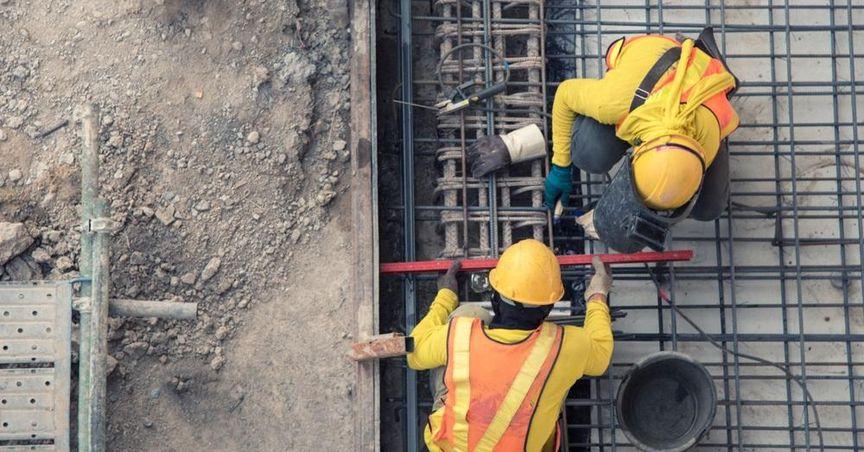




Highlights
- Equipment platforms anchor global operations
- Service networks reinforce industrial continuity
- Broader alignment visible within s&p 500 today
Caterpillar Inc. (NYSE:CAT) operates as a global manufacturer of heavy equipment, engines, and industrial systems serving construction, mining, energy, and transportation markets. The company’s portfolio includes earthmoving machinery, power systems, and industrial engines supported by an extensive aftermarket service structure. Within the context of s&p 500 today, Caterpillar represents an industrial enterprise whose scale and operational depth position it as a foundational supplier to infrastructure-driven sectors. Its presence spans manufacturing, logistics, and lifecycle support, forming a business model centered on durability and long-term equipment utilization rather than short-cycle demand patterns.
What Defines Caterpillar Core Operations?
Caterpillar’s core operations are built around the design and production of large-scale mechanical systems used in demanding industrial environments. These systems are engineered for extended service life and compatibility with global regulatory and operating standards. Manufacturing activities are supported by integrated supply chains and regional assembly facilities. Within s&p 500 futures discussions, Caterpillar is often grouped among industrial manufacturers whose relevance is tied to physical infrastructure and capital equipment deployment rather than consumer-driven cycles. This operational focus reinforces its role as a provider of essential machinery across multiple industries.
How Equipment Portfolio Shapes Market Role?
The company’s equipment portfolio spans construction machinery, mining equipment, and power generation systems. Each category addresses distinct operational requirements while sharing common engineering platforms and component strategies. This approach supports manufacturing efficiency and service consistency. In s&p 500 fund classifications, companies with diversified yet interconnected product lines are often viewed as structurally resilient. Caterpillar’s portfolio design reflects this principle by balancing specialization with scale, enabling it to serve varied industrial applications through a unified operational framework.
Why Aftermarket Services Matter Here?
Beyond equipment manufacturing, Caterpillar maintains a broad aftermarket ecosystem that includes parts distribution, maintenance support, remanufacturing, and fleet management tools. These services extend the functional lifespan of machinery and support customer operations over long usage cycles. Within s&p 500 etf environments, firms with established service networks often demonstrate operational continuity independent of new equipment delivery rates. Caterpillar’s aftermarket structure reinforces its positioning as a lifecycle partner rather than a transactional equipment supplier.
How Global Footprint Supports Continuity?
Caterpillar operates across multiple regions through manufacturing plants, distribution centers, and dealer networks. This global footprint enables localized production, regulatory alignment, and customer support. Regional diversification also reduces dependence on single-market conditions. In s&p 500 chart comparisons, globally distributed industrial firms often exhibit balanced operational exposure. Caterpillar’s geographic reach supports steady engagement with construction, mining, and energy projects across varied economic environments.
What Financial Structure Signals Stability?
The company maintains a financial structure designed to support manufacturing operations, inventory management, and dealer financing programs. Liquidity levels and leverage positioning align with industrial manufacturing norms rather than high-volatility sectors. Within s and p futures contexts, companies with predictable capital structures are commonly associated with operational discipline. Caterpillar’s balance configuration supports long-term production planning and service commitments without reliance on short-term market conditions.
How Technology Integrates With Machinery?
Caterpillar incorporates digital technologies into its equipment through monitoring systems, diagnostics, and fleet management platforms. These tools assist operators in tracking performance, maintenance needs, and utilization patterns. Technology integration enhances equipment efficiency and service coordination. In s&p 500 index fund discussions, industrial companies embedding digital capabilities are often distinguished from traditional manufacturers. Caterpillar’s technology layer complements its mechanical systems by supporting data-driven operational management.
What Broader Industrial Context Applies?
Caterpillar functions within an industrial landscape shaped by infrastructure development, resource extraction, and energy system demands. These structural forces influence equipment usage patterns and service requirements. Within the broader s&p 500 index, Caterpillar aligns with enterprises that support foundational economic activity rather than discretionary consumption. This context frames the company’s role as an enabler of physical infrastructure across global markets.
