
 AUS
AUS
 NZ
NZ
 UK
UK
 CA
CA
 USA
USA
 IND
IND






Highlights
- Genesis Energy operates diversified midstream energy infrastructure across the United States.
- Marine transportation, pipeline assets, and onshore services support business operations.
- NYSE Composite context highlights the company's presence within the broader energy sector.
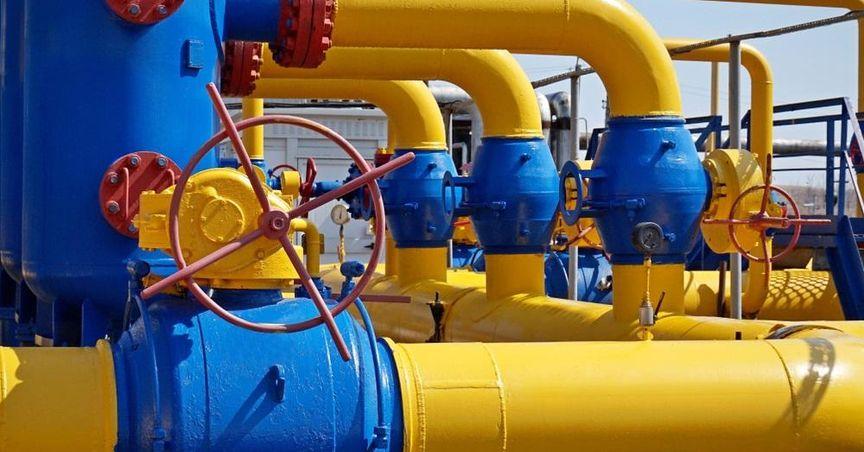
Genesis Energy's diversified midstream operations, transportation assets, pipeline infrastructure, and marine logistics highlight its business profile within the broader NYSE Composite marketplace.
Genesis Energy operates within the energy sector, providing midstream infrastructure services that support crude oil, natural gas, refined products, and specialty chemical logistics across the United States. As a constituent associated with the broader NYSE Composite, Genesis Energy (NYSE:GEL) maintains a diversified operating footprint spanning offshore pipeline transportation, marine transportation, and onshore logistics. Recent discussions surrounding valuation have brought renewed attention to the company's operating performance, although underlying business activities remain centered on essential energy infrastructure.
Business Operations Across Multiple Energy Segments
The business operates through three primary reporting segments that support different parts of the domestic energy supply chain. Offshore Pipeline Transportation includes crude oil and natural gas pipeline systems serving offshore production regions. These assets transport production from offshore fields to downstream processing and distribution networks.
Onshore Transportation and Services includes crude oil transportation, storage, terminal operations, blending activities, marketing services, and specialty chemical processing. These operations provide logistical support for producers, refiners, and industrial customers throughout multiple regions.
Marine Transportation complements the infrastructure portfolio through inland barges, offshore vessels, and tanker operations that move crude oil, refined petroleum products, and asphalt between production, storage, and refining locations.
Revenue Mix Reflects Diversified Infrastructure
Operations generate revenue from several infrastructure activities rather than relying on a single business line. Offshore pipelines contribute meaningful revenue through transportation services tied to offshore production. Onshore operations provide storage, transportation, processing, and logistics services, while marine transportation supports product movement through inland waterways and coastal routes.
This diversified operating structure allows exposure to multiple parts of the midstream energy value chain, including transportation, storage, terminal services, and marine logistics.
Financial Performance
Recent publicly available financial information shows annual revenue of approximately $1.68 billion. Revenue growth remained modest compared with the previous reporting period, while the company reported a net loss during the same period.
Although earnings remained below break-even, the business continues operating extensive infrastructure assets that generate recurring transportation and logistics activity throughout the United States. Asset utilization, transportation volumes, maintenance activity, and customer demand remain important operating measures across each reporting segment.
The company's presence within the broader NYSE Composite reflects participation alongside businesses operating across multiple industries listed on the New York Stock Exchange.
Energy Infrastructure Market
Midstream infrastructure companies occupy an important position between upstream production and downstream refining or distribution. Pipeline systems, storage facilities, marine transportation assets, and terminal operations enable hydrocarbons to move efficiently throughout domestic energy markets.
Demand for transportation infrastructure generally depends on production volumes, refinery activity, export flows, industrial demand, and maintenance schedules across regional energy markets. Companies operating diversified transportation networks frequently balance activity across several business segments.
Marine Transportation Operations
Marine transportation remains an important component of operations through inland barges and oceangoing vessels serving petroleum product markets. Fleet assets transport crude oil, refined products, and asphalt for commercial customers operating throughout North America.
Marine logistics provide operational flexibility by connecting production areas, storage terminals, refineries, and distribution hubs using waterways that complement pipeline infrastructure.
Fleet utilization, maintenance scheduling, vessel availability, and customer shipping requirements contribute to overall operating activity within this segment.
Offshore Pipeline Assets
Offshore pipeline systems connect offshore production facilities with onshore processing infrastructure. These assets transport crude oil and natural gas produced from offshore fields through established pipeline networks.
Pipeline infrastructure typically operates under long-term commercial arrangements supporting production transportation while requiring ongoing maintenance, inspections, and system upgrades designed to maintain operational reliability.
Industry Position
Within the U.S. midstream energy industry, the company competes alongside other infrastructure operators providing transportation, storage, processing, and logistics services. Business activity remains closely connected to energy production levels, refinery utilization, export demand, and industrial consumption.
The broader energy industry continues emphasizing efficient transportation infrastructure capable of supporting conventional production while maintaining operational reliability across established networks.
As part of the NYSE Composite, infrastructure-focused companies contribute to the diversity of sectors represented across the exchange.
Operational Focus
Operational priorities include maintaining transportation infrastructure, managing storage facilities, supporting marine logistics, and servicing commercial customers throughout the domestic energy market.
Capital projects typically involve infrastructure maintenance, equipment modernization, pipeline integrity programs, terminal improvements, and fleet maintenance activities designed to sustain operational performance across existing assets.
Business operations remain geographically diversified across several U.S. regions, supporting customers through integrated transportation and logistics capabilities.
Market Relevance
Energy infrastructure continues serving an essential function throughout the domestic supply chain by connecting production, storage, refining, and distribution assets. Pipeline transportation, marine logistics, and terminal operations remain integral components of moving petroleum products efficiently across regional markets.
Business diversification across multiple transportation segments provides exposure to different infrastructure activities within the broader energy industry while supporting commercial customers operating across numerous markets.
Genesis Energy (NYSE:GEL) continues operating across offshore pipelines, marine transportation, and onshore logistics while remaining part of the broader NYSE Composite environment that includes companies representing numerous industries.
