
 AUS
AUS
 NZ
NZ
 UK
UK
 CA
CA
 USA
USA
 IND
IND




Highlights
- Nederland terminal expansion adds long-term NGL export capacity.
- Energy infrastructure network spans pipelines, terminals, and storage assets.
- Export growth strengthens the company's presence across the energy sector.
Energy Transfer expands Nederland terminal operations, enhancing export infrastructure, pipeline connectivity, and Gulf Coast logistics while reinforcing its presence across the NYSE Composite energy sector.
The recent expansion at the Nederland NGL Export Terminal has placed Energy Transfer (NYSE:ET) in focus within the energy sector. As one of North America's largest midstream operators, the partnership owns an extensive network of pipelines, storage facilities, processing plants, and export terminals. The development also highlights the company's position within the broader NYSE Composite while reinforcing its presence among Energy Stocks.
Nederland Export Terminal Expansion
The Nederland NGL Export Terminal in Texas continues to play an important role in the transportation and export of natural gas liquids. The latest expansion increases ethane and liquefied petroleum gas (LPG) export capacity through additional infrastructure designed to accommodate growing shipment volumes.
The project includes new refrigeration facilities, storage equipment, loading systems, and marine infrastructure supporting larger export operations. Publicly available information indicates that portions of the expanded capacity are supported through long-term commercial agreements extending into the 2040s.
Located along the Texas Gulf Coast, the terminal serves international destinations by providing marine access for vessels transporting natural gas liquids to overseas markets.
Extensive Midstream Network
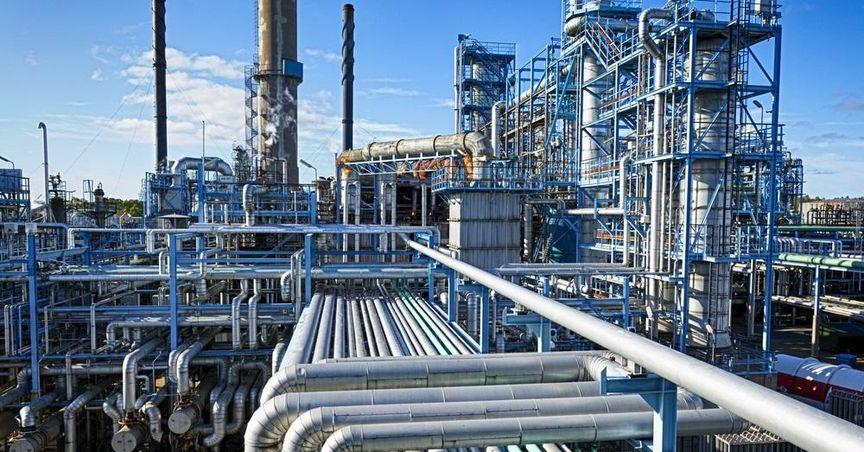
Energy Transfer operates one of the largest integrated midstream systems in North America. Assets include interstate and intrastate natural gas pipelines, crude oil pipelines, natural gas liquids pipelines, gathering systems, processing facilities, fractionation plants, storage terminals, and export infrastructure.
Operations extend across major producing regions, including the Permian Basin, Eagle Ford, Bakken, Marcellus, Haynesville, and Mid-Continent regions. These interconnected assets transport hydrocarbons from production areas to refineries, petrochemical facilities, industrial customers, utilities, and export terminals.
The broad asset footprint continues to support transportation and logistics throughout the North American energy value chain.
Growing Export Infrastructure
Export facilities have become an increasingly significant component of the company's operations. Alongside Nederland, additional assets support exports of crude oil, natural gas liquids, and refined products through Gulf Coast locations.
Expansion projects continue to focus on increasing loading capacity, storage capability, dock availability, and operational efficiency. Gulf Coast export terminals benefit from proximity to major shale production regions connected through existing pipeline infrastructure.
Growing international demand for liquefied petroleum gases and other hydrocarbons has contributed to ongoing development of export-related facilities across the industry.
Operations Across the Energy Sector
Pipeline transportation remains the core business activity, connecting production basins with processing facilities and downstream markets. Natural gas gathering systems collect production before transportation to processing plants, while fractionation facilities separate natural gas liquids into products such as ethane, propane, normal butane, isobutane, and natural gasoline.
Storage terminals provide operational flexibility for multiple hydrocarbon products. Marine terminals facilitate domestic distribution alongside international shipments.
Many businesses categorized within Energy Stocks continue expanding infrastructure designed to support increasing production volumes, export logistics, and petrochemical demand.
Geographic Footprint
Operations span more than 40 U.S. states through thousands of miles of pipeline infrastructure. Additional assets include storage caverns, processing plants, fractionators, terminals, compressor stations, and export facilities strategically located near production regions and major transportation corridors.
Texas remains one of the company's largest operating areas because of its extensive pipeline network, processing facilities, and Gulf Coast export terminals. Operations also extend into key shale regions supporting crude oil, natural gas, and natural gas liquids transportation.
The interconnected asset network enables movement of hydrocarbons across multiple regions while linking domestic production with refining, industrial, petrochemical, and export markets.
Industry Position
Midstream companies occupy an important position between hydrocarbon production and end-user markets. Pipeline systems, processing facilities, storage assets, and export terminals provide transportation and logistics services throughout the energy supply chain.
Infrastructure additions across the Gulf Coast continue reflecting expanding export capabilities throughout the North American energy industry. Terminal enhancements, pipeline connections, storage additions, and marine loading facilities remain common developments across the sector.
The recent Nederland expansion further strengthens the operational footprint of Energy Transfer (NYSE:ET) within the broader NYSE Composite, reflecting the continuing development of large-scale midstream infrastructure serving domestic and international energy markets.
