
 AUS
AUS
 NZ
NZ
 UK
UK
 CA
CA
 USA
USA
 IND
IND



Highlights
- Gulfport Energy expanded index representation through recent Russell benchmark updates.
- Natural gas production remains centered on the Utica and SCOOP resource plays.
- Operations reflect ongoing activity across the Russell 1000 energy landscape.
Discover Gulfport Energy's natural gas operations, Utica and SCOOP assets, infrastructure, and evolving position within the Russell 1000 energy company benchmark classification today.
The Russell 1000 remains an important benchmark for large and mid-sized publicly traded companies across multiple sectors, including energy. The energy sector continues to play a significant role in North American natural gas production, with Gulfport Energy (NYSE:GPOR) operating as an independent exploration and production company focused primarily on unconventional natural gas assets. Recent adjustments to Russell index classifications have placed the company within additional value-oriented benchmark segments while maintaining attention on operating assets, production activities, and regional development across major shale basins.
Operations Across Key Natural Gas Basins
Gulfport Energy concentrates exploration and production activities within two principal operating regions: the Utica Shale in Ohio and the SCOOP play in Oklahoma. These assets contain extensive natural gas and natural gas liquids resources that support long-term field development.
The Utica position represents one of the company's largest producing areas, benefiting from established gathering infrastructure, processing facilities, and pipeline connections serving domestic and export markets. Development activity includes horizontal drilling and hydraulic fracturing designed to access unconventional reservoirs efficiently.
Operations within Oklahoma complement the Appalachian portfolio through diversified production across the SCOOP formation. This geographic footprint supports operational flexibility while maintaining a focus on natural gas and associated liquids production.
Russell Benchmark Inclusion
Recent benchmark rebalancing resulted in broader representation across several Russell value-oriented indices while changes also affected placement within certain dynamic benchmark categories.
Although benchmark inclusion does not alter physical operations, production assets, or reserve characteristics, it reflects periodic index methodology updates based on market capitalization and style classifications.
Within the broader Russell 1000, Gulfport Energy continues to operate alongside other publicly traded exploration and production companies that contribute to North American energy supply.
Focus on Natural Gas Production
Natural gas remains the primary commodity produced across the company's asset portfolio. Production also includes natural gas liquids and limited crude oil volumes depending on reservoir characteristics.
Development programs emphasize drilling locations that can maximize recovery from existing acreage while utilizing established infrastructure networks. Modern completion techniques, reservoir mapping, and geological interpretation continue supporting efficient resource development.
Natural gas produced from Appalachian and Mid-Continent regions supplies electricity generation, industrial manufacturing, residential heating, and liquefied natural gas export facilities.
Infrastructure and Marketing
Production volumes move through extensive gathering systems before entering interstate transmission pipelines serving customers throughout North America.
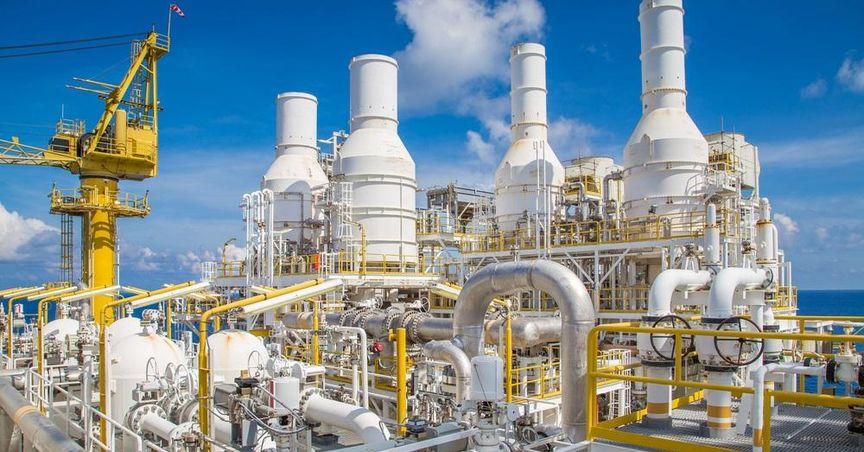
Third-party processing plants separate natural gas liquids from raw production streams, allowing methane to enter pipeline systems while liquids are transported to downstream petrochemical and industrial markets.
Pipeline connectivity remains an important operational characteristic because access to multiple transportation routes enhances delivery flexibility across regional markets.
Infrastructure investments throughout the Appalachian Basin have expanded processing capacity and export capabilities during the past decade, supporting continued development across major shale regions.
Industry Position Within Energy Markets
Independent exploration and production companies remain central participants within the North American energy industry.
Gulfport operates alongside businesses commonly categorized as Energy Stocks , contributing domestic natural gas supplies used across multiple economic sectors.
Natural gas has become increasingly significant within electricity generation because of operational flexibility, lower carbon emissions relative to coal, and compatibility with expanding renewable power generation.
Liquefied natural gas export capacity has also increased demand for domestic production, creating additional destinations for supplies produced across Appalachian and Mid-Continent basins.
Operational Development
Field development continues through drilling programs targeting proven acreage supported by geological evaluation and production history.
Horizontal wells typically extend thousands of feet through productive formations before hydraulic fracturing creates pathways that improve hydrocarbon flow.
Continuous improvements in drilling efficiency, well design, and completion technology have contributed to increased productivity across unconventional shale plays throughout North America.
Operational planning also includes water management, environmental monitoring, emissions management, and infrastructure maintenance supporting ongoing production activities.
Geographic Presence
Operations remain concentrated within the United States, primarily across Ohio and Oklahoma.
These producing regions benefit from established energy infrastructure, experienced service providers, skilled workforces, and proximity to major interstate pipeline systems.
Appalachian production serves domestic utilities, manufacturers, export terminals, and commercial users, while Oklahoma assets contribute additional production diversity within the company's operating portfolio.
Regional concentration enables operational familiarity with local geology while supporting efficient deployment of technical resources.
Industry Trends
The North American natural gas industry continues evolving alongside increased electricity demand, industrial consumption, liquefied natural gas exports, and infrastructure expansion.
Technological advancements in drilling, digital field monitoring, reservoir characterization, and emissions measurement continue shaping operational practices throughout the exploration and production industry.
Within the broader Russell 1000, energy companies remain active participants in supplying hydrocarbons supporting electricity generation, manufacturing, transportation, and industrial operations across domestic and international markets.
Public filings indicate continued emphasis on operational efficiency, disciplined field development, reserve management, and responsible production practices. Gulfport Energy (NYSE:GPOR) remains focused on unconventional natural gas development through its established asset base in the Utica and SCOOP regions while participating in the evolving North American energy landscape.
