
 AUS
AUS
 NZ
NZ
 UK
UK
 CA
CA
 USA
USA
 IND
IND






Highlights
- Midstream energy partnership operating pipeline and processing infrastructure
- Services supporting transportation, gathering, and storage of hydrocarbons
- Operations spanning major onshore energy production regions
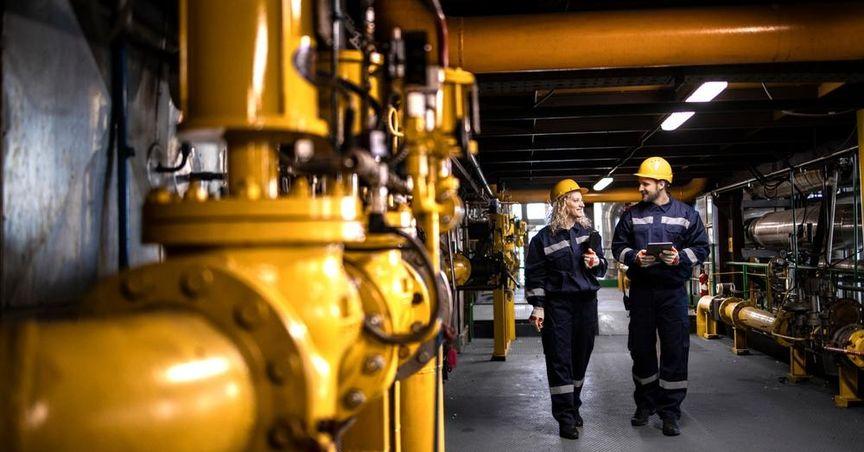
Western Midstream Partners activity within the NYSE Composite reflects midstream energy infrastructure, pipeline transportation systems, hydrocarbon processing facilities, and logistics networks connecting production regions with markets.
The midstream energy sector forms an essential part of the hydrocarbon supply chain, connecting extraction sites with processing facilities and distribution networks. Western Midstream Partners (NYSE:WES) operates within this segment as a provider of gathering, processing, transportation, and storage services for natural gas, crude oil, and related products. Companies engaged in energy transportation and infrastructure appear across major market indicators such as the NYSE Composite, which includes corporations spanning multiple sectors of the United States economy.
Midstream operators facilitate the movement of hydrocarbons from production basins to refineries, industrial facilities, and export terminals. Pipeline networks, storage infrastructure, and processing plants collectively support the delivery of raw energy resources across long distances.
Midstream Energy Infrastructure
Midstream infrastructure refers to systems designed to transport, process, and store hydrocarbons after extraction and before final consumption or refining. Pipelines form the backbone of these systems, enabling continuous movement of natural gas and crude oil between production fields and downstream facilities.
Western Midstream Partners maintains gathering networks that collect hydrocarbons from production wells and route them to centralized processing facilities. These networks often include interconnected pipeline segments that link drilling locations with treatment and compression stations.
Processing plants play a role in separating natural gas liquids and removing impurities before distribution to downstream markets. Such facilities commonly operate near major production basins where energy resources are extracted from underground reservoirs.
Infrastructure networks maintained by Western Midstream Partners (NYSE:WES) also include storage and transportation systems designed to move processed hydrocarbons through regional distribution corridors.
Pipeline and Transportation Systems
Pipeline transportation represents a central component of midstream operations. Pipelines transport hydrocarbons across long distances using pressurized systems that maintain steady flows between production areas and consumption markets.
These networks typically extend across several geographic regions and connect with other pipeline systems to create large energy transportation corridors. Compressor stations and monitoring equipment support efficient movement of natural gas and related resources.
Western Midstream Partners (NYSE:WES) operates pipeline systems that move hydrocarbons through onshore production basins located within the United States. Transportation services include natural gas gathering lines, crude oil transportation routes, and systems handling natural gas liquids.
Pipeline infrastructure also requires maintenance programs designed to maintain operational reliability. Monitoring systems and inspection activities help maintain structural integrity across large pipeline networks.
Operations Across Onshore Energy Basins
Midstream energy partnerships often maintain infrastructure in regions known for hydrocarbon production. These areas include shale formations and sedimentary basins where natural gas and crude oil extraction activities occur.
Operations associated with Western Midstream Partners involve infrastructure located across several prominent onshore basins in the United States. Gathering systems in these regions collect hydrocarbons from drilling operations and transport them toward processing centers.
Energy basins in the southwestern and central regions of the country remain significant sources of natural gas and crude oil production. Pipeline corridors linking these basins facilitate transportation to refineries, petrochemical facilities, and export terminals.
Activity across such production regions forms part of the broader energy landscape represented within the nyse composite index, which includes companies engaged in manufacturing, transportation, finance, and energy infrastructure.
Processing and Natural Gas Liquids Services
Natural gas processing represents another major function within midstream energy systems. Raw natural gas extracted from underground formations often contains impurities and heavier hydrocarbons that must be separated before distribution.
Processing plants operated by midstream companies remove water vapor, carbon dioxide, and other components that require treatment prior to pipeline transport. The separation process also produces natural gas liquids, which include hydrocarbons commonly used in petrochemical manufacturing.
Western Midstream Partners (NYSE:WES) provides services related to natural gas liquids handling and transportation. These liquids may move through dedicated pipelines or rail transport systems toward facilities where further processing occurs.
Midstream companies also manage produced water handling services associated with hydrocarbon extraction. Water generated during drilling and production processes requires treatment, transportation, and disposal through specialized infrastructure systems.
Role Within the Energy Supply Chain
The energy supply chain consists of multiple stages including exploration, extraction, transportation, refining, and distribution. Midstream operators occupy a central position within this structure by connecting upstream production with downstream processing and consumption.
Pipeline networks, storage facilities, and processing plants maintained by midstream partnerships enable hydrocarbons to move from drilling locations toward industrial and commercial markets. This infrastructure supports the continuity of energy distribution across large geographic areas.
Operations conducted by Western Midstream Partners integrate transportation and processing services within several major production regions. These activities contribute to the flow of hydrocarbons through the broader energy ecosystem represented by companies included in nyse composite today.
Infrastructure networks developed by midstream operators often function as long-term components of regional energy systems, supporting transportation of natural gas, crude oil, and related products between extraction sites and downstream facilities.
