
 AUS
AUS
 NZ
NZ
 UK
UK
 CA
CA
 USA
USA
 IND
IND






Highlights
- Global tanker fleet supports crude and refined transport operations
- Recent earnings release reflects strong operational efficiency levels
- Institutional participation remains steady across shipping sector exposure
The marine transportation sector plays a critical role in global energy distribution, enabling the movement of crude oil and refined products across international routes. Within this sector.
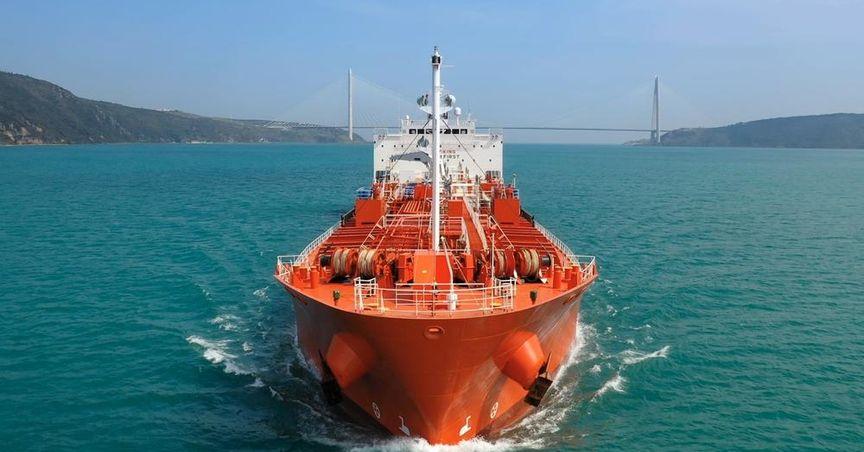
Tsakos Energy Navigation (NYSE:TEN) operates as a specialized shipping company focused on tanker services. The company’s activities span vessel, technical management, and chartering services, forming a comprehensive operational structure aligned with global energy logistics demands. Its fleet composition and service integration place it among notable participants in the tanker shipping landscape.
Global shipping sector dynamics
The tanker shipping segment is shaped by fluctuating demand for crude oil and refined petroleum products. Trade flows depend heavily on geopolitical conditions, refinery output, and consumption patterns across regions. Shipping companies operate within a framework where vessel availability, route efficiency, and regulatory compliance influence day to day operations.
Within this environment, companies managing diversified fleets often maintain operational flexibility. This flexibility allows adaptation to changes in cargo demand and route requirements. Tanker operators typically balance long term charter agreements with spot market exposure, enabling consistent vessel utilization while responding to evolving shipping requirements.
Fleet composition and operations
Tsakos Energy Navigation maintains a fleet composed of various tanker classes designed to handle different cargo capacities and route profiles. These include very large crude carriers, Suezmax vessels, Aframax tankers, and product carriers suited for refined petroleum transport. This diversified fleet structure allows the company to participate in multiple segments of the energy shipping market.
Operational management includes technical oversight, crew services, and commercial coordination. Maintaining vessel standards and compliance with maritime regulations remains central to sustaining fleet performance. Regular maintenance and adherence to safety protocols contribute to the company’s reputation for operating modern double hull tankers.
Earnings performance and results
Recent quarterly financial disclosures highlighted stronger than expected performance across key operational metrics. The company reported earnings per share that exceeded consensus expectations, supported by higher revenue generation during the reporting period. Revenue figures reflected improved charter rates and effective fleet deployment strategies.
Operational efficiency was further demonstrated through solid return on equity and consistent net margin levels. These indicators suggest that cost management and revenue optimization remained effective throughout the quarter. Strong performance in tanker utilization contributed to overall financial outcomes during this period.
Revenue trends and growth
(NYSE:TEN) performance within the tanker shipping sector often reflects broader energy transportation demand. The company’s reported revenue surpassed consensus expectations, indicating favourable market conditions and efficient vessel deployment. Increased charter activity contributed to stronger earnings outcomes.
Growth in revenue also aligns with improved fleet utilization rates. Efficient scheduling and route planning enhance operational throughput, enabling shipping companies to capture higher charter activity levels. These factors collectively influence overall financial performance within the sector.
Market valuation metrics overview
Market valuation indicators provide insight into how the company is positioned within the broader shipping sector. Metrics such as price to earnings ratios and market capitalization reflect both operational performance and market perception. These measures help contextualize the company’s scale and efficiency relative to peers.
The company’s stock movement has shown alignment with broader shipping sector trends. Moving averages over extended periods indicate shifts in trading patterns, reflecting changes in market sentiment and sector conditions. These patterns provide a framework for understanding performance within the listed shipping segment.
Stock movement and trends
Trading activity has demonstrated fluctuations consistent with sector wide dynamics. Over extended periods, the stock has moved across a broad range, influenced by shipping demand cycles and operational results. These movements highlight the cyclical nature of tanker shipping companies.
Short term and long term moving averages illustrate how the stock has responded to changes in earnings performance and sector conditions. Variations in trading levels often correlate with updates related to fleet activity, charter rates, and earnings disclosures.
Institutional participation patterns
Institutional participation in shipping companies reflects broader interest in maritime logistics and energy transportation exposure. Several financial entities have adjusted their positions in Tsakos Energy Navigation, reflecting evolving portfolio strategies within the sector.
Changes in share by institutional participants indicate ongoing engagement with shipping equities. These adjustments may align with sector developments, earnings performance, and broader economic conditions influencing maritime trade.
Company background and history
Founded in the early nineties, Tsakos Energy Navigation (NYSE:TEN) has developed a reputation for maintaining a modern tanker fleet. The company was established with a focus on delivering reliable shipping services for crude oil and refined products across global markets.
Over time, the company expanded its operations to include both vessel and technical management. This integrated approach allows centralized oversight of fleet operations, ensuring consistency in service delivery and maintenance standards.
Operational management structure
The company’s operational structure encompasses multiple service layers, including chartering, commercial operations, and crew management. This integrated framework enables coordinated execution of shipping activities across its fleet.
Technical management ensures compliance with maritime regulations and supports vessel performance. Crew services contribute to operational reliability, while commercial operations focus on securing charter agreements and managing shipping routes.
Fleet modernization strategies
Maintaining a modern fleet remains a central focus within the tanker shipping sector. The company’s emphasis on double hull tankers aligns with international safety and environmental standards. This approach supports regulatory compliance and enhances operational safety.
Fleet modernization also contributes to efficiency improvements. Updated vessels often feature enhanced fuel efficiency and operational capabilities, supporting improved performance across shipping routes.
Shipping routes and logistics
Global shipping routes form the backbone of tanker operations. The company’s fleet operates across major international trade lanes, connecting energy producing regions with consumption hubs. Efficient route management ensures timely delivery of cargo.
Logistical coordination involves scheduling vessel movements, managing port operations, and aligning cargo availability with shipping capacity. These activities require continuous monitoring to maintain operational efficiency and service reliability.
Sector challenges and factors
The tanker shipping sector faces various challenges, including regulatory requirements, environmental standards, and fluctuating demand for energy transportation. Companies must adapt to these conditions while maintaining operational consistency.
Compliance with international maritime regulations remains essential. Environmental standards, including emissions controls, influence vessel operations and fleet management strategies. Adapting to these factors is crucial for sustained operations.
Operational efficiency measures
Efficiency (NYSE:TEN) within tanker operations is achieved through optimized vessel deployment and effective cost management. The company’s recent financial performance indicates a focus on maintaining high utilization rates across its fleet.
Operational efficiency also involves minimizing downtime through maintenance planning and technical oversight. These measures contribute to consistent service delivery and support overall financial performance.
Chartering and commercial services
Chartering activities form a significant component of the company’s operations. Securing agreements for vessel usage ensures consistent deployment and revenue generation. These agreements may vary in duration and terms, depending on market conditions.
Commercial services also include negotiation of shipping contracts and coordination with cargo providers. These activities require alignment between vessel availability and transportation demand.
Energy transportation role explained
The company’s role within energy transportation involves facilitating the movement of crude oil and refined products across global markets. This function supports energy supply chains and contributes to international trade flows.
Shipping companies act as intermediaries between producers and consumers, ensuring that energy resources are transported efficiently. This role remains essential within the global economy.
Industry comparisons and positioning
Within the tanker shipping sector, companies are often compared based on fleet size, operational efficiency, and financial performance. Tsakos Energy Navigation’s (NYSE:TEN) diversified fleet provides a competitive position across multiple shipping segments.
Positioning within the industry also reflects the company’s ability to maintain operational standards and adapt to changing market conditions. Fleet diversity supports participation across various cargo types and routes.
Recent financial disclosures overview
Recent financial disclosures highlighted strong earnings performance and revenue growth. The company exceeded expectations in key financial metrics, reflecting effective operational execution during the reporting period.
These disclosures provide insight into the company’s current standing within the shipping sector. Performance indicators such as margins and returns illustrate the efficiency of operations and financial management.
Operational outlook sector context
The broader tanker shipping sector continues to evolve based on global energy demand and transportation needs. Companies operating within this space must remain responsive to changes in trade patterns and regulatory frameworks.
Sector dynamics influence operational strategies, including fleet deployment and chartering activities. Maintaining flexibility allows shipping companies to navigate varying market conditions.
