
 AUS
AUS
 NZ
NZ
 UK
UK
 CA
CA
 USA
USA
 IND
IND






Highlights
- Murphy Oil A leading force in oil production, driving the energy sector forward.
- Strong Market Presence Dominating the upstream energy market with robust operations.
- Stable Financial Metrics Consistently performing well within the NYSE Composite, showcasing financial resilience.
Murphy Oil Corporation (NYSE:MUR) is a leading independent oil and gas company that focuses on the exploration, development, and production of crude oil, natural gas liquids, and natural gas. As part of the NYSE Composite, Murphy Oil plays an integral role in the broader energy market, contributing to the supply of hydrocarbons globally. This delves into Murphy Oil’s operational strategies, market position, and financial performance within the energy sector.
Murphy Oil’s Role in the Oil Industry
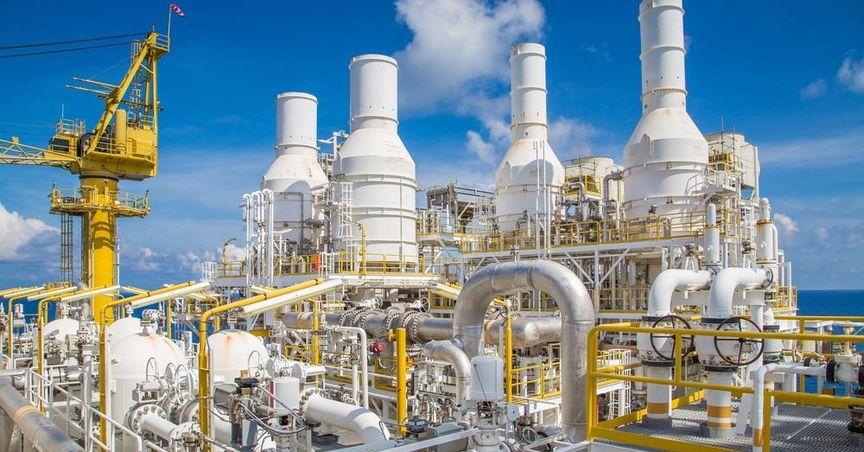
Murphy Oil operates in the upstream oil and gas industry, which involves the exploration and extraction of crude oil and natural gas. The company’s assets include a combination of onshore and offshore oil reservoirs, which help Murphy Oil cater to both conventional and unconventional energy markets. The company has a strong presence in key oil-producing regions, including the U.S. Gulf Coast and Canada.
The company is known for its focus on liquid-rich properties, including its deepwater assets, which are crucial to meeting global energy demands. Through its ongoing exploration and drilling activities, Murphy Oil continues to strengthen its position as a reliable oil and gas producer, supplying oil to refineries and markets worldwide. The company’s strategic approach to resource development ensures that it remains competitive in a market characterized by fluctuating oil prices.
Financial Performance and Operational Resilience
Murphy Oil’s financial performance demonstrates its resilience in the face of oil market volatility. Despite experiencing fluctuations in oil prices, the company has been able to maintain stable cash flow and profitability through effective cost management and operational efficiency. Murphy Oil’s financial metrics, such as its debt-to-equity ratio and current ratio, reflect the company’s solid financial health and its ability to meet both short-term and long-term financial obligations.
The company’s conservative approach to managing debt and maintaining a relatively low debt-to-equity ratio positions it well to navigate periods of market downturns. Additionally, Murphy Oil’s operational flexibility enables it to adjust its production levels in response to changing market conditions, ensuring that it can continue to deliver value to stakeholders even during periods of reduced oil prices.
Strategic Focus on Operational Efficiency
Murphy Oil’s operational strategy centers around optimizing recovery rates and improving efficiency in its exploration and production activities. The company utilizes advanced technologies and innovative drilling techniques to maximize its resource extraction capabilities. Murphy Oil’s commitment to operational excellence helps the company produce oil and gas at competitive costs, a key factor in maintaining profitability in a market where price volatility is common.
The company’s focus on increasing operational efficiency also extends to its exploration and development processes, where it continues to explore new opportunities for growth while maintaining its existing asset base. Murphy Oil’s ability to balance long-term resource development with operational flexibility ensures its continued success in the highly competitive oil and gas sector.
Market Performance and Stock Metrics
Murphy Oil’s stock performance is directly influenced by market conditions, particularly fluctuations in global oil prices. The company’s market capitalization reflects its position as a significant player in the energy sector, with its stock price movements closely tied to the overall health of the oil and gas market. Murphy Oil’s performance is often seen as a bellwether for the broader energy sector, particularly in the context of the NYSE Composite Index, which tracks the performance of large and diversified companies listed on the New York Stock Exchange.
Monitor Murphy Oil’s stock metrics, such as its price-to-earnings (P/E) ratio and return on equity, to gauge its financial health and market valuation. These metrics provide valuable insights into the company’s ability to generate profits and deliver value to shareholders. The company’s consistent performance in these areas highlights its strong market position and operational resilience.
Energy Market Trends and Murphy Oil’s Role
The global energy market is subject to numerous factors, including geopolitical events, supply-demand imbalances, and environmental policies. Murphy Oil’s operations are directly influenced by these trends, and the company’s ability to respond to shifts in market dynamics plays a critical role in its long-term success. The ongoing demand for oil and gas continues to drive growth in the upstream energy sector, and Murphy Oil’s ability to navigate these trends ensures that it remains a key contributor to global energy supply.
The company’s role in the energy market is particularly significant in regions where oil consumption remains high, and where oil continues to be a primary source of energy. Murphy Oil’s strong presence in North America and its offshore drilling capabilities position it well to meet the growing demand for energy resources in these key markets.
Commitment to Environmental Responsibility
As an oil and gas producer, Murphy Oil is committed to environmental responsibility and sustainability. The company adheres to stringent environmental standards in its operations, working to minimize its impact on local ecosystems and reduce its carbon footprint. Murphy Oil’s commitment to sustainable practices extends to its resource extraction methods, where it seeks to improve the efficiency of oil recovery while minimizing environmental degradation.
The company has implemented various initiatives to reduce emissions and improve waste management, ensuring that its operations align with both regulatory requirements and industry best practices. Murphy Oil’s focus on environmental responsibility demonstrates its commitment to minimizing the ecological impact of its activities while continuing to meet the world’s energy needs.
Competitive Position in the Oil and Gas Industry
Murphy Oil Corporation (NYSE:MUR) faces competition from a range of multinational oil and gas companies, all vying for market share in the upstream energy sector. Despite this competition, Murphy Oil has established a strong competitive position through its focus on liquid-rich properties and its ability to operate efficiently in both onshore and offshore environments. The company’s low-cost production capabilities and operational flexibility give it a competitive edge, allowing it to maintain profitability even during periods of market volatility.
Murphy Oil’s ability to leverage its deepwater assets and advanced extraction technologies has further solidified its position as a leader in the oil and gas industry. Its competitive advantage lies in its ability to extract and deliver oil and gas at scale while maintaining high operational standards and cost efficiency.
Regulatory Environment and Industry Challenges
The oil and gas industry is heavily regulated, with strict environmental and operational standards that companies must adhere to. Murphy Oil’s operations are subject to a variety of regulations, particularly in regions where oil and gas exploration is more sensitive due to environmental concerns. The company’s ability to navigate the regulatory landscape is essential for maintaining its operations and ensuring compliance with local and international environmental laws.
Changes in environmental regulations, taxes, and subsidies can impact Murphy Oil’s bottom line, making it critical for the company to remain agile in responding to shifts in policy. The company’s approach to regulatory compliance and its proactive stance on environmental sustainability help it mitigate the challenges posed by an ever-evolving regulatory environment.
