
 AUS
AUS
 NZ
NZ
 UK
UK
 CA
CA
 USA
USA
 IND
IND



_11_13_2025_18_02_02_174695.jpg)


Highlights
- Kosmos Energy follows structured workflows, reflecting NYSE Composite Index standards.
- Offshore and regional exploration projects maintain consistent management.
- NYSE-listed company demonstrates standardized operational execution and monitoring.
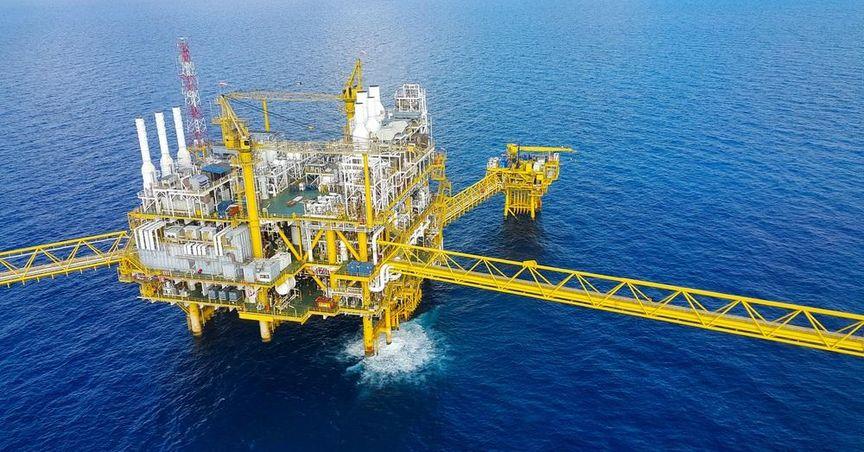
Kosmos Energy, Inc. (NYSE:KOS) manages operations across offshore oil and gas fields with structured protocols. The company’s primary assets are production projects located in offshore Ghana, Equatorial Guinea, and the U.S. Gulf of Mexico. Gas projects operate in offshore Mauritania and Senegal. Daily operational routines include project monitoring, drilling supervision, and logistical coordination across multiple regions. Teams adhere to standardized maintenance schedules, safety inspections, and reporting protocols. Centralized systems provide visibility for equipment usage, project progress, and resource allocation. Workflow consistency is maintained through regular operational updates and performance monitoring. Digital platforms support communication between regional offices and offshore teams. This structured management approach allows Kosmos Energy to align operational execution with broader trends observed in NYSE Composite Today, demonstrating disciplined processes and coordinated execution across global exploration projects.
Which measures maintain Kosmos Energy’s offshore operations efficiency?
Operational efficiency is maintained through routine checks, preventive maintenance, and systematic scheduling of offshore activities. Kosmos Energy coordinates drilling, production, and equipment deployment using integrated platforms that track operational milestones. Regional teams follow clearly defined protocols for resource management, inspection reporting, and service completion. Safety compliance and environmental procedures are integrated into daily operations. Centralized dashboards allow management to monitor project status, equipment utilization, and operational consistency across multiple locations. Standardized workflows provide clarity for both onshore support and offshore teams. Regular review meetings and reporting structures maintain alignment across projects. These operational measures support consistency and reflect corporate practices associated with companies represented in the NYSE Composite, highlighting the importance of structured procedures for effective management across dispersed offshore operations.
How are project schedules organized across different regions?
Kosmos Energy organizes project schedules through coordinated planning, centralized workflow systems, and standardized reporting. Each offshore site follows defined timelines for drilling, testing, and production activities. Operational teams use digital platforms to track equipment deployment, inspection completion, and service activities. Coordination between onshore support centers and offshore teams ensures logistical efficiency. Resource allocation, maintenance scheduling, and safety compliance are integrated into structured routines. Consistent application of these procedures minimizes operational delays and maintains clarity across locations. By implementing standardized scheduling practices, Kosmos Energy ensures operational alignment across multiple regional projects. These workflows demonstrate similarities with the structured management observed in the NYSE Composite Index, reflecting disciplined operational execution and consistent adherence to defined corporate procedures in complex offshore environments.
Which systems improve operational monitoring and reporting standards?
Operational monitoring at Kosmos Energy (NYSE:KOS) is supported by centralized reporting platforms that track project milestones, resource usage, and equipment readiness. Teams log inspection results, maintenance schedules, and operational activities through structured digital dashboards. Onshore and offshore coordination is managed using integrated communication channels. Reporting routines are standardized to provide transparency and operational clarity. Data collected from each offshore site is reviewed centrally to ensure adherence to protocols and timelines. Resource allocation, safety compliance, and operational milestones are consistently tracked across all regions. This structured monitoring approach allows Kosmos Energy to maintain transparency in daily workflows and operational processes. Such operational monitoring practices are consistent with processes observed in the NYSE Composite, emphasizing the importance of centralized data management and structured reporting for effective corporate management.
How does Kosmos Energy manage resource allocation across sites?
Resource allocation at Kosmos Energy follows structured protocols to ensure operational consistency across all offshore and regional projects. Equipment, personnel, and logistical support are scheduled and tracked centrally to maintain efficient utilization. Maintenance and inspection routines are integrated into operational schedules to prevent delays. Regional teams follow standardized workflows to coordinate drilling, production, and operational support activities. Centralized platforms provide visibility for resource status, operational readiness, and task completion. Operational logs record progress and resource usage for review by management. These standardized allocation procedures maintain clarity, predictability, and procedural alignment across all projects. The operational approach demonstrates parallels with structured corporate practices observed in NYSE Composite Today, reflecting disciplined management and efficient utilization of resources across geographically diverse sites.
Which practices ensure consistent safety and operational compliance?
Kosmos Energy emphasizes standardized safety protocols and operational compliance measures across all offshore operations. Daily routines include inspections, maintenance checks, and adherence to environmental and safety regulations. Teams follow clearly defined processes for equipment handling, personnel safety, and project documentation. Centralized monitoring ensures that inspection reports and maintenance logs are reviewed systematically. Safety compliance and operational performance are integrated into digital workflow platforms, providing visibility for management across all projects. Regular operational reviews and reporting procedures reinforce adherence to established procedures. These safety and compliance practices support structured execution and accountability in daily workflows.
How are equipment and infrastructure maintained globally?
Which workflows optimize offshore project coordination and tracking?
Offshore project coordination at Kosmos Energy relies on standardized workflows, digital monitoring systems, and structured reporting channels. Teams track equipment readiness, operational progress, and task completion using integrated platforms. Scheduling, resource allocation, and maintenance routines follow defined procedures to maintain clarity across sites. Onshore support teams monitor offshore activities through centralized dashboards, ensuring consistent execution of operational protocols. Workflow standardization enhances operational transparency, minimizes delays, and maintains consistency in project tracking. Routine review and reporting procedures provide accountability for task completion and adherence to operational protocols. These structured coordination practices align with operational standards observed in NYSE Composite, illustrating disciplined management and organized execution across multiple offshore and regional projects.
How does Kosmos Energy integrate operations with corporate governance?
Kosmos Energy integrates operational management with corporate governance through structured reporting, standardized protocols, and centralized monitoring of offshore projects. Inspection routines, maintenance schedules, and resource allocation are documented and reviewed regularly. Digital platforms facilitate transparency and provide visibility for both onshore and offshore teams. Operational workflows are standardized across projects to ensure uniformity, accountability, and procedural alignment. Reporting systems consolidate operational data for review by management, enhancing clarity in procedural adherence and operational alignment. These structured workflows maintain operational discipline, resource efficiency, and consistent execution across all regional sites. Kosmos Energy’s approach to operational integration reflects corporate practices observed in NYSE Composite Today, highlighting organized procedures, accountability, and structured execution across geographically dispersed offshore energy projects.
