
 AUS
AUS
 NZ
NZ
 UK
UK
 CA
CA
 USA
USA
 IND
IND

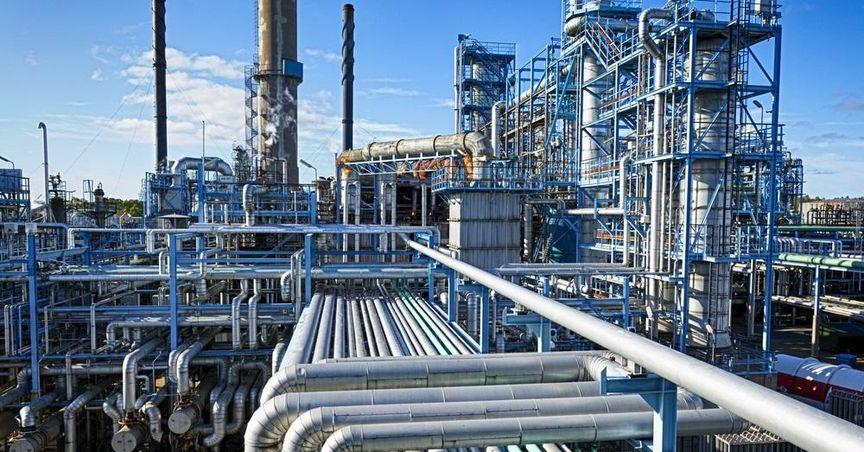





Highlights
- Kinder Morgan delivered standout infrastructure results.
- Fee-based pipelines supported business stability.
- Expand Energy also showed strong momentum.
Energy infrastructure remains in focus as pipeline operators benefit from essential transportation networks, fee-based contracts, production flows, and disciplined capital planning despite regulatory and financing challenges.
Kinder Morgan (NYSE:KMI) is back in focus after delivering one of the strongest quarterly updates across the energy infrastructure space. As a constituent of the Russell 1000, the company remains one of the closely followed large-cap energy infrastructure operators in the broader U.S. equity market. The company, a major North American pipeline and terminal operator, continues to show how large-scale transportation, storage, and processing assets can support stable operating performance even when the broader energy market faces shifting demand, regulation, and financing conditions.
Pipeline Strength Takes Focus
Energy infrastructure companies sit between producers and end markets. They transport natural gas, crude oil, refined products, and related energy products through pipelines, terminals, storage systems, and processing facilities.
Kinder Morgan plays a major role in this network. Its assets function like toll roads for the energy industry, helping move fuel and feedstock across key regions. This model can offer more predictable revenue than businesses directly tied to commodity price swings.
The company’s latest update showed strength across revenue, earnings, and operating performance. That helped Kinder Morgan stand out within a group that broadly delivered solid results.
Fee Based Model Matters
Kinder Morgan’s business is built around long-term contracts and fee-based services. This structure reduces direct exposure to daily commodity price changes and creates more visibility around cash generation.
That matters in an environment where energy markets remain sensitive to supply shifts, geopolitical developments, and policy changes. Pipeline operators with established networks can benefit from steady volumes while avoiding some of the volatility seen in upstream energy stock producers.
The company’s large footprint across natural gas, refined products, terminals, and carbon dioxide assets gives it multiple operating channels. This diversification supports its role as one of the more recognized names in US energy transportation.
Regulatory Headwinds Continue
Despite strong operating relevance, infrastructure companies face challenges. Pipeline projects often require lengthy permitting reviews, environmental assessments, and community engagement.
Regulatory delays can slow expansion plans and increase costs. Environmental opposition can also create uncertainty for new pipeline construction. These factors make existing infrastructure more valuable because building new systems has become increasingly difficult.
Kinder Morgan’s established asset base gives it an advantage in this environment. Existing networks can continue serving energy markets while new development faces tighter approval paths.
Capital Costs Stay Important
Energy infrastructure is capital intensive. Companies in this space require significant spending to maintain, expand, and modernize their asset networks.
Higher interest rates can affect financing costs and project economics. This makes balance-sheet discipline and capital allocation important for pipeline operators.
Kinder Morgan’s quarterly strength shows that operational execution remains central to how infrastructure companies navigate financing conditions. Stable cash flows can help support maintenance spending, expansion planning, and debt management.
Market Reaction Stays Mixed
Even with solid quarterly results across the group, infrastructure stocks have not moved uniformly higher. Market sentiment remains influenced by interest rates, energy prices, capital spending expectations, and regulatory concerns.
Kinder Morgan’s steady share performance after its update suggests that parts of the result may already have been reflected in market expectations. Still, the company’s operating delivery remains notable within the group.
The infrastructure space often attracts attention when market participants seek businesses linked to essential energy movement rather than direct commodity speculation.
Energy Transition Questions Persist
Longer-term demand remains one of the biggest debates for energy infrastructure companies. The energy transition may gradually reshape fuel consumption patterns, but natural gas, refined products, and export infrastructure remain important parts of the current energy system.
Kinder Morgan’s network remains tied to fuels that continue serving power generation, transportation, industrial activity, and international demand.
The key question for the sector is not whether energy systems are changing, but how infrastructure owners adapt their asset bases to changing demand patterns over time.
Kinder Morgan Stands Out
Kinder Morgan's (NYSE:KMI) latest quarterly update reinforced its position as a major infrastructure operator with scale, contract visibility, and broad energy-market relevance.
The company’s performance highlighted the value of existing pipeline and terminal networks at a time when new infrastructure remains difficult to develop. Its fee-based model, asset diversity, and exposure to essential energy flows continue shaping its market profile.
For the wider group, the message is clear: infrastructure companies with strong networks, disciplined capital planning, and reliable operating performance remain closely watched as energy markets evolve.
