
 AUS
AUS
 NZ
NZ
 UK
UK
 CA
CA
 USA
USA
 IND
IND






Highlights
- Exxon Mobil operates across the full global energy value chain
- The company maintains strong presence in exploration and refining activities
- Market positioning aligns with broader NYSE Composite participation
Exxon Mobil Corporation (NYSE:XOM) remains one of the most prominent integrated energy companies listed on the New York Stock Exchange, with operations spanning exploration, production, refining, and petrochemical manufacturing. Its inclusion within broader benchmarks such as the NYSE Composite reflects its scale and relevance among large-cap corporations operating across global energy markets. Headquartered in the United States, Exxon Mobil continues to play a central role in supplying crude oil, natural gas, and refined products while maintaining a diversified operational structure across upstream, midstream, and downstream activities.
Integrated Energy Operations And Structure
Exxon Mobil Corporation operates through a fully integrated model that covers multiple stages of the energy value chain. Upstream activities involve the exploration and development of crude oil and natural gas reserves located across various geographic regions. These operations include drilling, extraction, and production processes that contribute to global energy supply.
Midstream activities support transportation and storage of hydrocarbons through pipelines, shipping networks, and storage facilities. These operations enable the efficient movement of raw materials from production sites to refining facilities and distribution networks.
Downstream operations include refining crude oil into fuels and lubricants as well as distributing these products to commercial and retail markets. Exxon Mobil also manufactures petrochemicals used in industrial and consumer applications, including plastics, synthetic materials, and specialty chemicals. This integrated structure allows the company to maintain operational continuity across different stages of production and distribution.
Global Energy Production Footprint
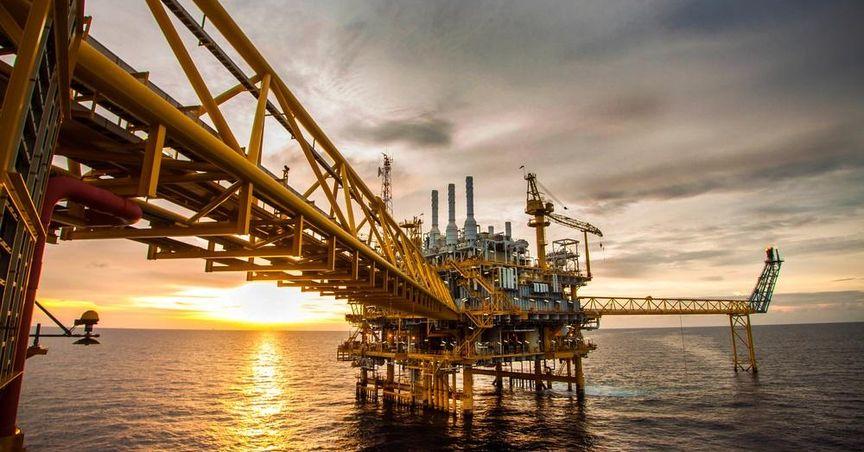
The company’s operational footprint extends across multiple continents, with production assets located in North America, South America, Europe, Africa, and Asia-Pacific regions. This geographic diversification supports access to both conventional and unconventional energy resources, including deepwater oil fields, shale formations, and liquefied natural gas projects.
Exxon Mobil’s upstream operations focus on developing large-scale reserves that contribute to long-term production capacity. Oil sands, offshore platforms, and unconventional reservoirs form part of its resource base. These assets enable the company to supply energy to both domestic and international markets while maintaining production diversity.
The company’s global reach allows it to participate in international energy trade, supporting supply chains that connect producing regions with major consumption markets. Through these activities, Exxon Mobil contributes to energy availability across industrial, transportation, and residential sectors.
Financial Structure And Market Position
Exxon Mobil’s financial framework reflects its status as one of the largest energy corporations in the world. Public disclosures highlight valuation metrics, liquidity indicators, and leverage ratios that describe the company’s capital structure. These measures demonstrate how the organization manages financial resources to support large-scale exploration and refining operations.
Market capitalization places Exxon Mobil among the most significant entities within the energy sector. Trading volume and historical price movement indicators provide context regarding market participation without implying directional conclusions. Liquidity ratios outline the company’s ability to address short-term obligations, while leverage metrics indicate the relationship between borrowed capital and equity financing.
These financial attributes align with companies commonly represented within major market benchmarks such as the S&P 500 Index, where large-cap corporations from multiple industries contribute to broader market representation.
Institutional Ownership And Capital Allocation
Exxon Mobil Corporation maintains substantial ownership among institutional capital managers. Asset management firms, pension funds, and financial institutions hold significant portions of outstanding shares, reflecting the company’s inclusion within diversified portfolios.
Institutional participation involves periodic adjustments to share positions as part of portfolio management strategies. These changes are disclosed through regulatory filings and reflect standard allocation practices within large-scale asset management operations.
The presence of institutional ownership contributes to governance oversight and shareholder engagement. Companies with widespread institutional participation often operate under structured corporate governance frameworks that support transparency and accountability in operational and financial decision-making.
Refining And Petrochemical Capabilities
Refining operations represent a core component of Exxon Mobil’s downstream activities. The company operates a network of refineries that process crude oil into gasoline, diesel, jet fuel, and other petroleum products. These facilities are strategically located to serve regional and international markets.
Petrochemical manufacturing complements refining activities by producing chemical compounds used in a wide range of applications. Exxon Mobil’s chemical division manufactures polymers, synthetic materials, and industrial chemicals that are utilized in packaging, automotive components, construction materials, and consumer goods.
The integration of refining and petrochemical production allows the company to maximize resource utilization by converting raw hydrocarbons into both fuel and chemical products. This approach supports operational efficiency while expanding the range of products delivered to global markets.
Energy Distribution And Brand Presence
Exxon Mobil markets its refined products through a global distribution network that includes wholesale supply agreements, retail fuel stations, and industrial partnerships. The company’s brands, including Exxon, Mobil, and Esso, are recognized in multiple regions and represent established identities within the energy sector.
Fuel distribution supports transportation networks by supplying gasoline, diesel, and aviation fuel to consumers and commercial operators. Lubricants such as Mobil-branded motor oils are distributed across automotive and industrial sectors, supporting machinery performance and maintenance.
Brand recognition enhances market presence by establishing trust and familiarity among customers. The company’s ability to distribute products across various channels contributes to its role within global energy supply chains.
Operational Efficiency And Performance Metrics
Operational efficiency remains a central focus for Exxon Mobil Corporation (NYSE:XOM) , particularly within large-scale energy production and refining environments. The company’s ability to maintain consistent output across upstream and downstream operations reflects its infrastructure capabilities and resource management strategies.
Performance metrics disclosed through financial reporting include production volumes, refining capacity, and profitability indicators. These measures provide context regarding operational scale and efficiency across different segments of the business.
Comparative data from previous reporting periods illustrates consistency in performance, while guidance figures outline expected operational ranges without implying future outcomes. These disclosures form part of the company’s reporting obligations as a publicly traded entity.
