
 AUS
AUS
 NZ
NZ
 UK
UK
 CA
CA
 USA
USA
 IND
IND






Highlights
- Exxon Mobil operates across global energy value chain
- Integrated structure spans upstream, midstream and downstream segments
- Market presence aligns with major benchmarks like S&P 500 Fund
Exxon Mobil Corporation (NYSE:XOM) remains one of the largest integrated energy companies listed on the New York Stock Exchange, with operations extending across exploration, production, refining, and chemical manufacturing. The company’s scale and diversification position it among major corporations represented within benchmarks such as the S&P 500 Fund, which aggregates large-cap entities across multiple sectors. Exxon Mobil’s operational footprint spans upstream resource development, midstream logistics, and downstream refining and marketing, making it a central participant in global energy supply chains.
Energy Value Chain Structure Explained
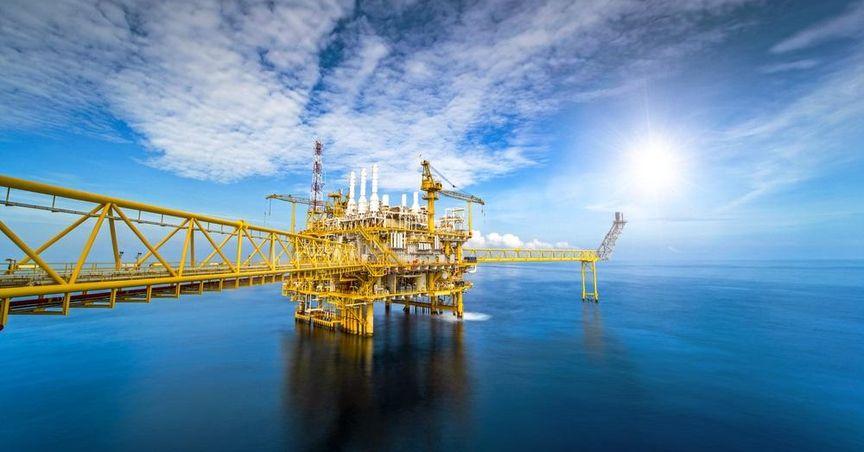
Exxon Mobil Corporation operates through a fully integrated model that connects resource extraction with processing and distribution. Upstream activities involve exploration and development of crude oil and natural gas reserves across multiple geographic regions. These operations support the foundational supply of hydrocarbons required for global energy consumption.
Midstream infrastructure facilitates transportation and storage of raw materials through pipelines, shipping networks, and terminal facilities. This segment ensures the continuous movement of energy resources between production sites and refining locations.
Downstream operations include refining crude oil into usable products such as fuels and lubricants, along with distribution through retail and wholesale channels. Chemical manufacturing represents an additional layer of operations, where hydrocarbons are converted into materials used across industrial and consumer applications.
This integrated structure enables Exxon Mobil Corporation to operate across the entire lifecycle of energy production and distribution.
Global Operations And Market Reach
Exxon Mobil Corporation maintains a global presence with operations spanning multiple continents. Exploration and production activities are conducted in regions known for hydrocarbon reserves, while refining and chemical manufacturing facilities are distributed across key industrial hubs.
The company markets fuels and lubricants under established brands, supporting transportation, industrial activity, and consumer applications. Products such as motor oils, aviation fuels, and petrochemical materials contribute to diverse end-use markets.
Global reach allows Exxon Mobil to participate in various segments of the energy market, including crude oil supply, natural gas distribution, and chemical production. This geographic diversification supports operational continuity across different market environments.
Financial Structure And Capital Metrics
The financial structure of Exxon Mobil Corporation reflects its scale within the energy sector. Public disclosures indicate liquidity measures that describe the company’s ability to address short-term obligations, alongside leverage ratios that illustrate the relationship between debt and equity capital.
Market capitalization places the company among the largest publicly traded entities within the energy industry. Valuation measures, including price-to-earnings and price-to-earnings-growth ratios, provide descriptive context regarding how the market evaluates the company’s financial performance.
Moving averages offer historical reference points for trading activity, while trading ranges illustrate fluctuations over defined periods. These indicators serve as descriptive tools without implying directional movement.
Return on equity and margin measures highlight operational efficiency across production, refining, and chemical segments. These figures collectively reflect the company’s ability to manage large-scale operations within a capital-intensive industry.
Institutional Participation And Ownership Trends
Large asset managers and financial institutions maintain significant ownership positions in Exxon Mobil Corporation. Portfolio adjustments by various firms reflect ongoing capital allocation decisions within diversified equity strategies.
Institutional ownership is a common characteristic of companies operating at large scale within globally recognized sectors. Participation from asset management firms contributes to governance oversight and shareholder engagement.
Changes in ownership positions are disclosed through regulatory filings and form part of standard market activity. These adjustments do not represent directional views but rather reflect portfolio management strategies within broader asset allocation frameworks.
Segment Performance And Output Dynamics
Exxon Mobil Corporation’s performance is influenced by activities across its integrated segments. Upstream operations contribute to production output through crude oil and natural gas extraction. Midstream logistics ensure efficient transportation and storage, while downstream refining converts raw materials into finished products.
Chemical manufacturing adds diversification by producing materials used in plastics, synthetic fibers, and industrial applications. This segment connects energy resources with broader manufacturing supply chains.
Quarterly reporting reflects variations in output and operational activity across these segments. Comparative figures from prior periods provide context regarding production levels and operational continuity.
Market Position Within Energy Sector
Exxon Mobil Corporation occupies a central role within the global energy sector. Its integrated structure allows participation across multiple stages of energy production and distribution. This positioning supports involvement in crude oil markets, natural gas supply, and petrochemical manufacturing.
Energy companies of this scale are frequently referenced in discussions involving broader market indicators such as the S&P 500 Index, which includes large-cap entities across industries. Inclusion within such benchmarks reflects the company’s relevance within the overall equity landscape.
The company’s operational scope and global reach contribute to its recognition as a major participant in industrial and energy sectors.
Product Portfolio And Brand Presence
Exxon Mobil Corporation produces a wide range of energy and chemical products. Fuels include gasoline, diesel, and aviation fuel, while lubricants support automotive and industrial applications. The Mobil brand is widely recognized in the motor oil segment.
Chemical products include polymers, synthetic materials, and industrial chemicals used in manufacturing processes. These products serve industries such as automotive, packaging, construction, and consumer goods.
Brand presence across multiple product categories enhances visibility within both industrial and consumer markets. Distribution networks support product availability across regions, contributing to global reach.
Regulatory Environment And Industry Standards
Energy companies operate within regulatory frameworks that govern environmental standards, safety requirements, and operational practices. Exxon Mobil (NYSE:XOM) adheres to these regulations across jurisdictions where it conducts operations.
Environmental compliance includes emissions management, resource utilization, and operational safety protocols. Regulatory oversight ensures that energy production and refining activities meet established standards. The company’s operations are subject to continuous monitoring and reporting requirements, reflecting the complexity of global energy production and distribution systems.
