
 AUS
AUS
 NZ
NZ
 UK
UK
 CA
CA
 USA
USA
 IND
IND






Highlights
- Midstream energy company operating large pipeline and storage infrastructure across major production and distribution regions
- Core operations centered on transportation, processing, and storage of hydrocarbons including natural gas and crude oil
- Infrastructure development supporting energy supply chains across industrial and commercial markets
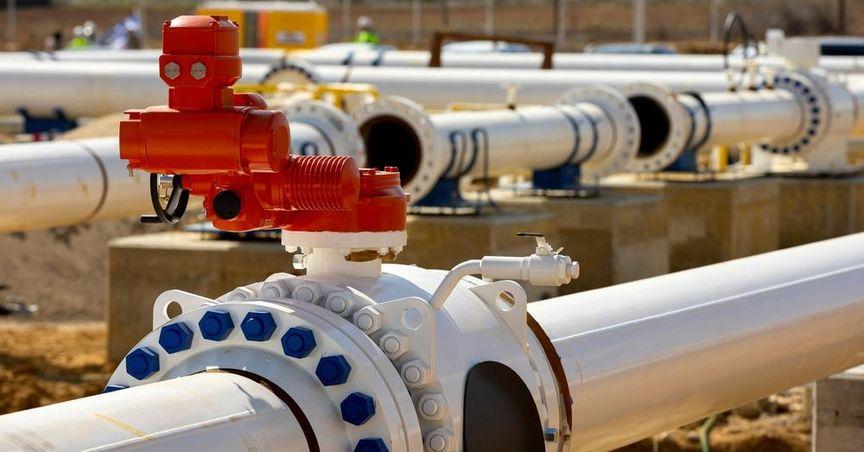
Energy Transfer operations within the NYSE Composite energy landscape demonstrate pipeline networks, storage facilities, and hydrocarbon processing systems supporting large-scale energy transportation.
The energy infrastructure sector includes companies responsible for transporting and storing hydrocarbons through large pipeline and terminal networks. Energy Transfer (NYSE:ET) operates within this segment of the industry and participates in the broader market environment connected to the NYSE Composite. Midstream organizations play a central role in energy supply chains by connecting production areas with refineries, export facilities, and end-use markets.
Pipeline operators maintain extensive networks designed to move natural gas, crude oil, and refined petroleum products across large geographic areas. These systems form part of a wider infrastructure framework that supports energy distribution across industrial facilities, utilities, and transportation networks. Storage terminals, processing plants, and fractionation facilities operate alongside pipelines to manage the movement and preparation of hydrocarbons before delivery to downstream destinations.
Midstream Infrastructure and Energy Transport
Operations connected to Energy Transfer LP (NYSE:ET) involve the development and operation of pipelines that transport hydrocarbons from production basins to processing hubs and distribution markets. Pipeline systems allow continuous movement of energy resources across long distances, linking extraction sites with refining complexes and chemical manufacturing centers.
Processing facilities located along pipeline networks separate hydrocarbon streams into various components. Natural gas processing plants remove impurities and separate liquids from gas streams, preparing materials for further distribution through specialized infrastructure. Fractionation facilities then divide natural gas liquids into individual components used in petrochemical manufacturing and fuel production.
Terminals positioned along major transport corridors provide storage capacity for crude oil and refined products. These terminals also function as logistical centers where energy products move between pipelines, rail systems, and marine vessels.
Role of Storage and Distribution Networks
Storage infrastructure remains an essential element of midstream energy systems. Large tank farms and underground storage caverns enable balancing between production levels and market demand. Such facilities allow hydrocarbons to remain available for distribution across various industries and geographic regions.
Energy Transfer LP (NYSE:ET) operates facilities that connect pipeline networks with storage terminals and processing plants. This integrated infrastructure framework allows hydrocarbons to move efficiently through multiple stages of preparation before reaching final distribution points.
Distribution networks also connect to petrochemical plants and refineries that convert crude oil and natural gas liquids into fuels and industrial materials. Pipeline corridors linking production basins with coastal export hubs enable transportation of hydrocarbons to international markets.
Within the broader industrial landscape that includes companies operating across transportation, manufacturing, and energy sectors, infrastructure providers remain part of the ecosystem associated with the nyse composite index.
Natural Gas and Liquids Processing
Natural gas transportation represents a major component of midstream operations. Pipeline networks carry gas from producing regions to processing plants and utility distribution systems that deliver energy to residential, commercial, and industrial users.
Processing facilities separate methane from other hydrocarbons and remove impurities such as water vapor and sulfur compounds. After processing, natural gas enters transmission pipelines designed for long-distance transport. Liquids extracted during processing, including ethane and propane, move to fractionation facilities where further separation occurs.
Energy Transfer LP (NYSE:ET) participates in these operations through a network of processing plants and fractionation systems connected to pipeline corridors. These facilities play a role in preparing hydrocarbons for downstream applications such as chemical manufacturing and fuel distribution.
Terminal Operations and Export Connectivity
Marine terminals and inland distribution centers form another component of midstream energy logistics. Export terminals located along coastal regions provide access for vessels transporting hydrocarbons to international destinations.
These facilities typically include storage tanks, loading systems, and pipeline connections that move hydrocarbons between inland production regions and marine shipping routes. Terminal operations support both domestic distribution and global energy trade.
Pipeline infrastructure connected to export terminals enables crude oil, natural gas liquids, and refined fuels to move from inland production areas toward shipping ports. Such connectivity strengthens supply chain integration across multiple energy markets.
Operational Structure and Industrial Coordination
Large midstream organizations coordinate operations across pipelines, storage systems, and processing facilities. Monitoring systems track pipeline pressure, flow rates, and operational conditions to maintain efficient movement of hydrocarbons.
Engineering teams manage maintenance programs for pipelines, compressor stations, and processing plants. Routine inspections and technical monitoring form part of operational procedures designed to maintain infrastructure reliability.
Energy Transfer LP (NYSE:ET) functions within this integrated network of infrastructure assets that support the movement and preparation of hydrocarbons throughout the energy supply chain. Industrial collaboration with producers, refiners, and petrochemical facilities forms an essential component of these operations.
Pipeline corridors connecting producing regions with refining and petrochemical centers remain critical elements of the energy system represented across industries linked to the nyse composite today.
