
 AUS
AUS
 NZ
NZ
 UK
UK
 CA
CA
 USA
USA
 IND
IND






Highlights
- Midstream energy company operating a large pipeline and storage network across the United States
- Market attention followed updated coverage from a major financial institution
- Operations centered on transportation, storage, and processing of hydrocarbons
Energy Transfer’s pipeline network, operational structure, and recent market attention are examined within the broader context of companies associated with the NYSE Composite benchmark.
The midstream energy sector forms a central component of the North American energy supply chain, linking production fields with refining and distribution hubs. Within this sector, Energy Transfer (NYSE:ET) operates extensive infrastructure dedicated to hydrocarbon transportation and storage. Market discussion surrounding the company has occurred alongside activity connected with the NYSE Composite, which tracks a broad range of equities listed on the New York Stock Exchange and reflects overall exchange performance. Coverage updates from financial institutions brought renewed attention to the company’s trading activity during the session.
Midstream Infrastructure and Operational Scope
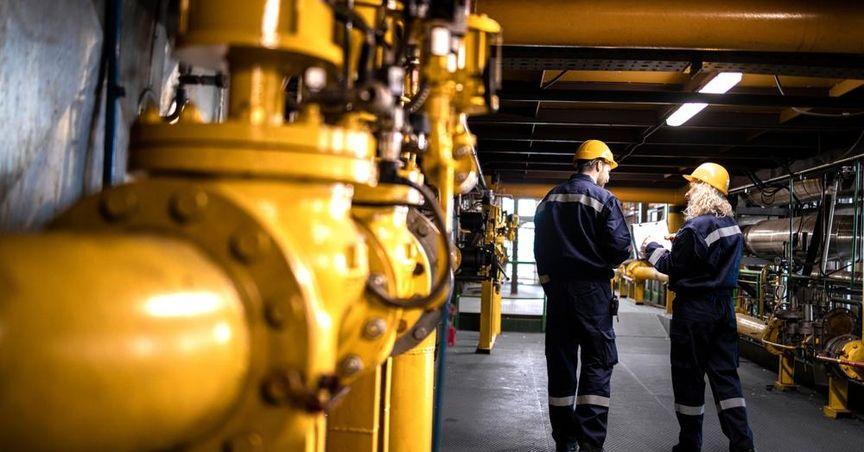
Energy Transfer (NYSE:ET) functions primarily in the midstream segment of the energy industry. Midstream companies focus on the movement, storage, and processing of raw hydrocarbons after extraction and before final distribution. Operations include pipelines that transport natural gas, crude oil, natural gas liquids, and refined petroleum products across major producing regions and consumption centers.
Infrastructure operated by the company spans multiple states across the United States. Pipeline corridors connect production basins with industrial processing areas, petrochemical complexes, and export facilities. Storage terminals and fractionation facilities support separation and distribution of hydrocarbon components. Processing plants treat natural gas streams before delivery into transmission systems or downstream markets.
The integrated nature of these assets allows energy products to move through gathering systems, treatment plants, long-distance pipelines, and storage locations within a connected logistical framework. Such networks support upstream production activity while also supplying feedstock to industrial and manufacturing sectors.
Market Attention Following Coverage Update
Recent trading activity involving Energy Transfer (NYSE:ET) followed an update from a major financial institution that adjusted its view on the company’s shares. The revised outlook maintained a neutral stance while modifying the valuation target. Activity in the market session reflected this update, with trading occurring alongside broader movements associated with the nyse composite index.
During the trading period, volume patterns differed from typical session averages. Market commentary referenced the relationship between institutional participation and broader sector movements, particularly within energy infrastructure companies that operate extensive pipeline networks. Changes in coverage from financial institutions often generate short-term attention toward companies listed on major exchanges, particularly those connected to widely tracked benchmarks.
Additional research notes from several financial institutions have addressed the company over recent months. Ratings from multiple firms have included varied viewpoints reflecting different perspectives on the midstream sector and hydrocarbon transportation infrastructure. Such commentary forms part of the broader information flow surrounding publicly traded companies.
Earnings Release and Revenue Activity
Energy Transfer released a recent earnings report detailing operational performance during the reporting period. Results included revenue growth compared with the same reporting period in the previous year. Expansion in throughput across segments such as natural gas liquids transportation and processing contributed to the reported revenue figure.
Operational segments include natural gas gathering and processing systems, crude oil pipelines, refined products transportation networks, and terminal facilities. These business lines serve energy producers, petrochemical companies, utilities, and export terminals. Revenue streams typically derive from transportation agreements, storage arrangements, and processing services associated with hydrocarbon handling.
Market commentary also referenced earnings per share results that differed from consensus expectations tracked by financial data services. Such differences between reported results and consensus projections frequently appear in earnings announcements across publicly traded companies. Reporting periods often include updated guidance, operational metrics, and commentary regarding ongoing infrastructure activity.
Distribution Adjustment and Capital Structure
Energy Transfer has historically distributed regular cash payments to unitholders as part of its master limited partnership structure. A recent announcement confirmed an adjustment to the quarterly distribution level compared with the previous period. Distribution changes are commonly disclosed alongside earnings releases and are subject to board approval.
The partnership structure used by Energy Transfer is common among midstream energy companies. Such structures often emphasize infrastructure ownership and operational services related to pipeline transportation, storage terminals, and processing facilities. Financial reporting includes metrics associated with distributable cash flow and operating performance across business segments.
Balance sheet metrics such as leverage ratios, liquidity indicators, and capital expenditure programs also appear within periodic reports. These metrics provide context regarding how infrastructure expansion and maintenance projects are financed within the company’s broader capital framework.
Energy Logistics Network in the United States
Energy Transfer’s infrastructure footprint covers multiple hydrocarbon basins and demand centers throughout the United States. Pipeline systems connect natural gas production areas to storage hubs and downstream markets. Crude oil and refined product pipelines link extraction regions with refineries, petrochemical facilities, and export terminals.
Processing facilities treat natural gas streams by removing impurities and separating valuable hydrocarbon liquids. Fractionation facilities then divide these liquids into components used in petrochemical manufacturing, fuel production, and industrial processes. Storage terminals provide temporary capacity for both raw and refined energy commodities.
Through this network, the company participates in a logistical chain that moves hydrocarbons from wellhead regions to manufacturing and export destinations. Energy infrastructure companies operating within the midstream sector play a significant role in maintaining continuity between production and consumption segments of the energy market.
Energy Transfer’s operations remain part of the broader landscape of companies whose shares trade on major exchanges, including those tracked by the NYSE Composite benchmark.
