
 AUS
AUS
 NZ
NZ
 UK
UK
 CA
CA
 USA
USA
 IND
IND

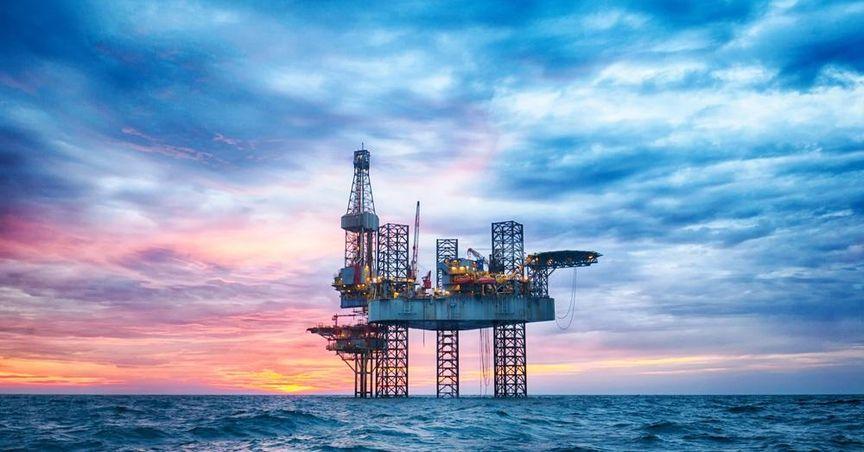





Highlights
- Devon Energy operates as an independent upstream energy producer
- Core activities focus on onshore resource development and optimization
- Corporate disclosures emphasize balance structure and production operations
Devon Energy Corporation, listed as Devon Energy Corporation (NYSE:DVN), is an independent oil and gas exploration and production company headquartered in the United States, with operations centered on the identification, development, and management of onshore hydrocarbon resources. The company is often discussed within broader market narratives that include phrases such as s&p 500 etf, which commonly appear in general financial discussions to describe overall market activity rather than company specific direction. This framing places Devon Energy among established NYSE listed energy producers recognized for upstream specialization, operational discipline, and resource focused strategies.
How Does Devon Energy Operate?
Devon Energy Corporation functions as an upstream energy company focused on the exploration and production of crude oil, natural gas, and natural gas liquids across onshore resource plays. Its operations involve evaluating geological prospects, drilling wells, and managing production systems to deliver hydrocarbons to market. In broader financial discussions, terminology such as s&p 500 fund is often used to describe the environment surrounding large publicly traded companies rather than to draw comparisons.
Operational activities are supported by technical teams specializing in geology, engineering, and production optimization. Devon Energy applies data driven approaches to well performance, aiming to maintain efficiency across its asset base while adhering to regulatory and environmental standards.
What Defines Resource Development Strategy?
Resource development at Devon Energy Corporation centers on acquiring and advancing onshore acreage with established hydrocarbon potential. The company evaluates reservoirs, plans drilling programs, and applies completion techniques tailored to specific formations. In market oriented narratives, references like s&p 500 index fund often appear to frame discussions around companies engaged in capital intensive resource development.
Development strategy emphasizes disciplined project selection and operational execution. By focusing on known resource plays, Devon Energy aligns development planning with geological understanding and infrastructure availability, supporting consistent production management.
How Production Optimization Is Managed?
Production optimization is a key operational focus for Devon Energy Corporation, involving continuous monitoring of well performance and reservoir behavior. The company applies technical adjustments to enhance output efficiency and manage decline rates across producing assets. In broader market commentary, phrases such as s&p 500 today are sometimes used to contextualize prevailing conditions affecting energy producers.
Optimization efforts include adjustments to drilling spacing, completion designs, and artificial lift systems. These practices support stable operations and help align production levels with infrastructure and market access considerations.
Why Financial Structure Matters Here?
Financial structure disclosures from Devon Energy Corporation outline liquidity position, leverage profile, and operational funding capacity. These disclosures are presented as factual statements consistent with NYSE reporting requirements. In general financial communication, constructs such as the s&p 500 index are often used to situate companies within a broader universe of established enterprises.
The company’s financial structure supports ongoing operations, development activities, and asset management. Transparency in reporting provides how resources are allocated to sustain upstream activities over time.
How Market Benchmarks Frame Energy Firms?
Market benchmarks are frequently referenced in financial narratives as contextual tools rather than evaluative measures. Terms such as the s&p 500 chart are often used illustratively to depict aggregate market movement rather than individual company behavior.
For Devon Energy Corporation, such benchmark language situates the company within the broader energy sector landscape, highlighting its participation in markets characterized by commodity exposure and capital intensive operations.
What Role Does Commodity Exposure Play?
Commodity exposure defines much of Devon Energy Corporation’s operating environment, as production volumes are tied to oil and gas markets. The company manages this exposure through operational planning and portfolio composition rather than speculative activity. In market discussions, general references like the s&p 500 may appear to describe the scale of companies operating across cyclical industries.
Devon Energy’s focus remains on operational execution, cost management, and reservoir performance, with commodity dynamics forming part of the external environment influencing upstream producers.
How Benchmarks Support Market Language?
Broader market language often incorporates benchmark terminology to provide shared reference points. Phrases such as the s&p 500 index fund are commonly used to describe the universe of large publicly traded companies without implying comparative assessment.
For Devon Energy Corporation, such terminology frames its status as a mature NYSE listed energy producer operating within established governance and disclosure frameworks.
Why Upstream Visibility Remains Steady?
Upstream energy companies like Devon Energy Corporation maintain consistent visibility due to their role in supplying essential energy resources and managing large scale production systems. As an NYSE listed organization, Devon Energy adheres to established reporting and governance standards. Mentions of terms such as s&p futures in adjacent discussions highlight the complexity of financial markets rather than altering the factual narrative surrounding the company’s operations.
Devon Energy’s position within the energy sector reflects its emphasis on upstream specialization, operational execution, and disciplined resource development that supports long term production activities across domestic resource plays.
