
 AUS
AUS
 NZ
NZ
 UK
UK
 CA
CA
 USA
USA
 IND
IND





Highlights
- Integrated energy company engaged in exploration, refining, and global fuel distribution
- Corporate developments reflect activity across international energy markets
- Institutional participation remains common among major energy enterprises
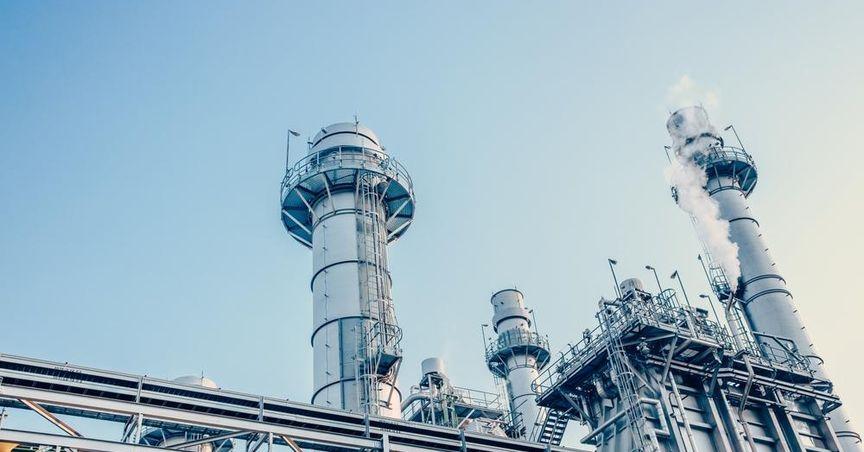
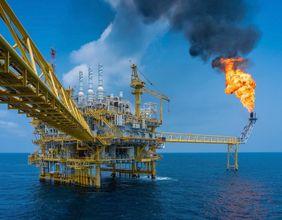
Chevron integrated energy operations, exploration projects, refining systems, and global fuel distribution activity highlighted alongside broader industrial developments associated with the s&p 500 index.
The global energy sector includes companies involved in exploration, production, transportation, and refining of hydrocarbons. Within this industry, Chevron Corporation (NYSE:CVX) operates as an integrated energy enterprise engaged across upstream, midstream, and downstream operations. Developments involving large energy companies frequently intersect with broader market indicators such as the s&p 500, which tracks a wide range of corporations operating across industries including energy, manufacturing, technology, and consumer services.
Energy producers contribute significantly to industrial supply chains by providing crude oil, natural gas, and refined fuels used in transportation, electricity generation, and manufacturing processes. These companies maintain operations spanning exploration sites, offshore platforms, refineries, distribution systems, and international logistics networks.
Global Energy Exploration and Production
Exploration and production represent core activities within the energy sector. Energy companies search for hydrocarbon resources through geological research, seismic surveying, and drilling operations across land and offshore environments.
Activities associated with Chevron Corporation (NYSE:CVX) include exploration and extraction of crude oil and natural gas from fields located across multiple continents. These operations often involve advanced engineering technologies designed to access hydrocarbon deposits beneath oceans and remote geological formations.
Energy extraction processes require coordination across drilling equipment, engineering teams, and transportation infrastructure. Production from wells typically moves through pipelines or marine shipping networks toward processing facilities where hydrocarbons undergo further refinement.
Offshore exploration plays an important role in the global energy supply chain. Deepwater platforms and subsea drilling systems enable access to reserves located beneath ocean floors, expanding resource development beyond traditional onshore production regions.
Refining and Fuel Processing Operations
Once extracted, crude oil and natural gas undergo processing within refineries and petrochemical facilities. These industrial complexes convert raw hydrocarbons into refined fuels and chemical products used throughout the global economy.
Refining activities connected with Chevron include processing crude oil into fuels such as gasoline, diesel, aviation fuel, and marine fuel. Petrochemical facilities also transform hydrocarbons into materials used for plastics, lubricants, and industrial compounds.
Refineries operate as complex industrial environments where chemical processing units separate crude oil into multiple product streams. These operations require extensive infrastructure including pipelines, storage terminals, and transportation networks connecting production sites with consumer markets.
Energy distribution networks deliver refined fuels to transportation systems, industrial users, and retail fuel stations. Fuel distribution channels extend across domestic and international markets, supporting transportation and manufacturing sectors worldwide.
Corporate Activity and Market Context
Large energy corporations frequently issue corporate updates related to operational developments, resource projects, and industrial activity. Such updates provide insight into production initiatives and infrastructure developments within the energy sector.
In this context, Chevron Corporation (NYSE:CVX) continues to operate across exploration regions and refining facilities located in various global markets. Activities connected with exploration programs and industrial processing represent ongoing components of energy sector operations.
Energy companies also participate in broader economic activity reflected through equity benchmarks such as s and p 500. This index includes corporations across numerous industries, with energy producers forming an important segment within the benchmark.
Developments affecting energy markets often relate to supply conditions, industrial demand, and technological changes influencing resource extraction and refining processes. These developments shape operational environments across the global energy industry.
Institutional Participation Across Energy Companies
Ownership structures within large energy corporations commonly include institutional participation from asset management organizations, pension funds, and financial institutions. Such organizations frequently maintain diversified portfolios including companies operating within the global energy sector.
Regulatory filings connected with energy corporations have shown adjustments in ownership among institutional organizations during reporting periods. These changes reflect portfolio management activities across diversified equity portfolios.
Energy companies remain integral components of industrial economies due to the essential role of hydrocarbons in transportation, manufacturing, and energy generation. Operations across exploration, refining, and distribution create extensive supply chains linking resource development with consumer energy use.
Corporate activity involving exploration programs, refining capacity, and fuel distribution continues to shape industrial energy systems across international markets.
Energy Infrastructure and Industrial Integration
Integrated energy companies coordinate multiple operational segments including extraction, transportation, refining, and product distribution. These segments operate within interconnected infrastructure networks designed to deliver energy resources efficiently across regions.
Pipelines transport crude oil and natural gas from production areas toward refining centers and storage terminals. Marine shipping routes move hydrocarbons across international markets, connecting resource rich regions with industrial and consumer demand centers.
Energy infrastructure also includes storage terminals and distribution facilities supporting refined fuel delivery to transportation networks and industrial operations. Such infrastructure represents a central component of global energy logistics systems.
Operations across exploration, refining, and distribution highlight the scale and complexity of multinational energy companies operating within modern industrial economies.
