
 AUS
AUS
 NZ
NZ
 UK
UK
 CA
CA
 USA
USA
 IND
IND

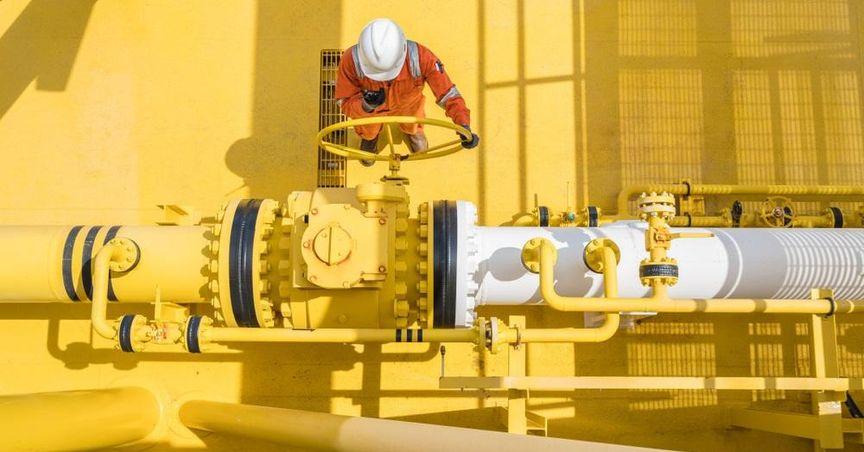





Highlights
- Chevron Inc aligns with broader energy trends reflected in s&p 500 index
- The company’s operational structure mirrors those in s&p 500 chart
- Global expansion supports diversification seen in s&p 500 fund
Chevron Corporation (NYSE:CVX) is a global leader in integrated energy and chemical operations, offering a wide range of services across both upstream and downstream sectors. The company is involved in oil and natural gas exploration, production, refining, and distribution. Chevron’s extensive market presence spans across various continents, where it plays a significant role in the global energy infrastructure. It is also deeply involved in the transition to cleaner energy through its involvement in natural gas and carbon capture technologies. Chevron’s scale and diverse portfolio make it one of the most influential energy players, often compared with other leading companies in the s&p 500 index, where large, integrated companies drive much of the sector’s dynamics.
How Does Chevron Organize Its Business Segments?
Chevron operates its business through two main segments: Upstream and Downstream. The Upstream segment focuses on the exploration, development, production, and transportation of crude oil and natural gas. This includes liquefied natural gas (LNG) processing, pipeline transportation, and carbon capture technologies. The Downstream segment deals with refining and marketing, including the production of various petroleum products and the operation of retail gas stations. These segments are strategically aligned to support Chevron’s comprehensive approach to meeting global energy demands, from extraction through to distribution. The organizational model is similar to those used by other companies in the s&p 500 etf, where multi-segment operations across various industries drive the company’s overall success and stability.
What Drives Chevron’s Upstream Operations?
Chevron’s Upstream operations are at the core of the company’s business model. The company’s upstream activities involve the exploration and production of crude oil and natural gas, tapping into resources located both onshore and offshore. Chevron’s extensive global reach, including operations in the deepwater offshore fields and shale formations, allows the company to maintain a significant market share. Its cutting-edge drilling technologies and advanced exploration techniques enable efficient extraction and production, maximizing resource recovery while minimizing environmental impact. These upstream activities are closely aligned with the competitive strategies of companies within the s&p 500 index fund, where large-scale, resource-intensive operations are fundamental to business success in the energy sector.
What Role Does Chevron Play in Global Energy Markets?
Chevron’s role in global energy markets is integral to its business strategy and long-term growth. As a leading producer of oil and natural gas, the company plays a critical role in ensuring a stable and reliable supply of energy to meet the needs of a growing global population. Chevron’s international operations extend to key oil-producing regions, such as the Middle East, North America, and Latin America, where the company works with local governments and partners to develop large-scale energy projects. Its global reach allows Chevron to navigate the complexities of different regulatory environments and maintain its competitive position. This global diversification is also seen in other large companies within the s&p 500 chart, where international operations contribute to revenue diversification and reduce risks tied to regional economic cycles.
Why Does Chevron Focus on Technological Innovation?
Chevron emphasizes technological innovation to enhance the efficiency and sustainability of its operations. The company invests in cutting-edge technologies to optimize oil extraction processes, improve energy efficiency in its refineries, and develop alternative energy solutions. Chevron has made significant strides in the field of carbon capture and storage, aiming to reduce emissions from its operations and contribute to the global effort to mitigate climate change. The company’s technological advancements also extend to its deepwater drilling techniques, shale oil extraction, and liquefied natural gas processing, ensuring it remains competitive in a rapidly evolving energy market. Chevron’s commitment to innovation reflects the broader trends observed across companies within the s&p 500 futures, where technology and continuous improvement are vital to staying ahead in competitive industries.
How Does Chevron Approach Sustainability?
Chevron’s commitment to sustainability is integral to its long-term business strategy. The company has made significant efforts to reduce its carbon footprint, focusing on both energy efficiency and the development of cleaner energy sources. Chevron has invested in renewable energy solutions such as biofuels and wind power, as well as carbon capture technologies that help mitigate the environmental impact of its operations. The company also works to improve the sustainability of its upstream and downstream processes, implementing practices to reduce waste, lower emissions, and minimize water usage. This commitment to sustainability is in line with the broader corporate trends seen within the s&p 500 today, where environmental responsibility is becoming increasingly important to businesses, consumers, and regulators alike.
