
 AUS
AUS
 NZ
NZ
 UK
UK
 CA
CA
 USA
USA
 IND
IND





Highlights
- Underlying profit quality remains under scrutiny
- LNG market demand continues supporting operations
- Operational performance tells a broader story
LNG demand trends, infrastructure expansion, operational consistency, and profit quality discussions continue shaping Cheniere Energy’s broader role within evolving global energy markets.
Cheniere Energy, Inc. (NYSE:LNG), one of the largest liquefied natural gas exporters in the United States, is drawing renewed market attention after its latest financial update created mixed reactions across the broader NYSE Composite. While the headline figures initially disappointed parts of the market, a deeper review suggests the company’s underlying business position may not be as weak as the surface numbers imply.
The latest update has shifted focus toward profit quality, operational consistency, and the sustainability of Cheniere Energy’s long-term LNG expansion strategy. The company remains a major player in the global liquefied natural gas market, supplying LNG cargoes to international customers seeking energy security and diversified fuel access.
LNG Demand Continues Supporting Operations
Cheniere Energy operates at the center of the rapidly evolving liquefied natural gas industry. Global LNG demand has continued expanding as countries seek cleaner-burning fuel alternatives, diversified energy supply chains, and long-term energy reliability.
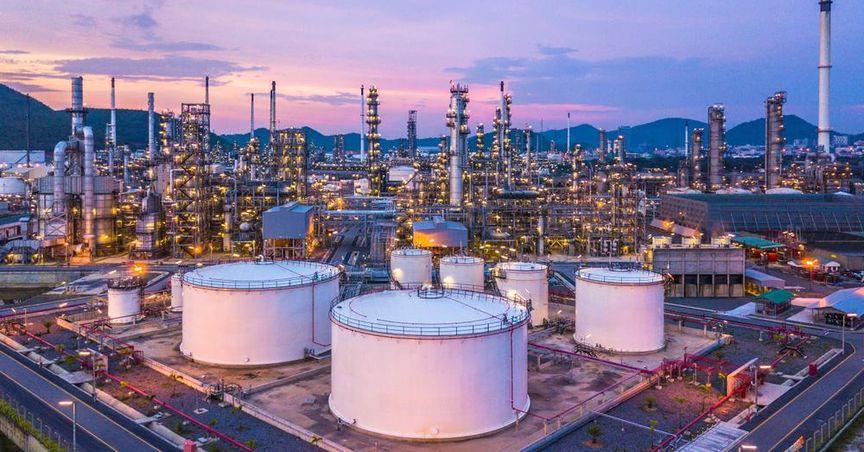
The company’s export infrastructure plays a critical role within the global LNG supply chain. Cheniere operates major LNG terminals designed to liquefy natural gas for shipment to overseas markets across Europe, Asia, and other regions facing rising energy demand.
This long-term structural demand trend continues supporting broader interest in LNG infrastructure companies. Cheniere’s operations therefore remain closely tied to global energy security discussions and international fuel diversification strategies.
The company also benefits from long-term commercial agreements that help support operational visibility despite periods of market volatility. These agreements can provide greater stability across changing commodity price environments.
Underlying Profit Quality Raises Questions
Although the company’s headline financial figures initially appeared disappointing, the larger issue appears tied to underlying profit quality rather than headline numbers alone.
Profit quality matters because statutory earnings can sometimes differ significantly from the actual earning strength generated by core operations. Accounting adjustments, non-recurring items, and temporary financial impacts can all influence reported profit results.
In Cheniere Energy’s case, the broader concern is that statutory profit may actually appear stronger than the company’s underlying operational earnings capacity.
This distinction is important because long-term operational strength is often judged based on sustainable cash generation, recurring business performance, and operational efficiency rather than temporary accounting impacts alone.
The company’s latest update therefore created a more complicated narrative than a simple positive or negative interpretation.
Operational Strength Remains Important
Despite questions surrounding underlying earnings quality, Cheniere Energy’s broader operational position remains important within the global LNG industry.
The company continues operating large-scale export infrastructure tied to long-term international energy demand. LNG facilities require significant engineering capabilities, infrastructure reliability, operational safety standards, and long-term commercial coordination.
Operational execution remains critical because LNG infrastructure projects involve complex logistics, global supply agreements, and substantial capital investment.
Cheniere’s ability to maintain stable export activity while supporting infrastructure expansion remains a major part of its broader market narrative.
Energy Market Conditions Influence Sentiment
Broader energy stock market conditions continue shaping sentiment surrounding LNG infrastructure companies.
Natural gas pricing environments, global fuel demand, shipping activity, and geopolitical developments can all influence how LNG producers and exporters are evaluated.
For Cheniere Energy, future operational performance may depend not only on internal execution but also on broader global energy conditions.
LNG demand trends remain closely connected to industrial activity, power generation requirements, and international energy policy decisions. As countries continue seeking diversified energy sources, LNG infrastructure operators remain strategically important within global energy markets.
The company’s long-term export capacity and infrastructure footprint therefore remain central to its broader operational outlook.
Infrastructure Expansion Supports Long-Term Strategy
One of the most important aspects of Cheniere Energy’s broader strategy is infrastructure development.
LNG facilities require large-scale operational planning, engineering coordination, and regulatory compliance. Building and maintaining export infrastructure involves long-term capital investment and ongoing operational oversight.
Cheniere’s role within this infrastructure ecosystem supports its position as a major energy exporter serving global markets.
The broader LNG market also remains tied to increasing global interest in cleaner-burning transitional energy sources compared with some traditional fuel alternatives.
This long-term energy transition narrative continues influencing how LNG infrastructure businesses are viewed across financial markets.
Market Attention Remains Balanced
The latest reaction surrounding Cheniere Energy appears balanced rather than entirely negative.
While concerns surrounding underlying earnings quality remain important, the company’s strategic role within the LNG export industry continues supporting broader operational relevance.
Supportive factors include long-term LNG demand, export infrastructure scale, operational execution, and global energy diversification trends.
At the same time, market participants continue closely evaluating the quality and sustainability of underlying profit performance.
Broader Energy Trends Continue Shifting
The global energy sector continues evolving as countries balance energy security, infrastructure modernization, environmental priorities, and fuel diversification strategies.
Liquefied natural gas remains an important part of this transition because it provides flexible export capacity and supports international energy supply networks.
Cheniere Energy operates within this evolving environment where long-term infrastructure reliability and operational consistency remain critical.
The company’s future narrative may therefore continue depending on how effectively it balances operational expansion, infrastructure reliability, and sustainable financial performance.
Operational Risks Still Require Attention
Although the company maintains strong strategic positioning within the LNG sector, operational risks remain important.
Large-scale energy infrastructure companies often face challenges tied to project costs, maintenance requirements, commodity market conditions, and regulatory oversight.
Future updates surrounding Cheniere Energy, Inc. (NYSE:LNG), will likely remain focused on operational consistency, export activity, infrastructure utilization, and broader financial performance quality.
As a result, market sentiment may continue fluctuating based on both operational execution and evolving global energy conditions.
