
 AUS
AUS
 NZ
NZ
 UK
UK
 CA
CA
 USA
USA
 IND
IND

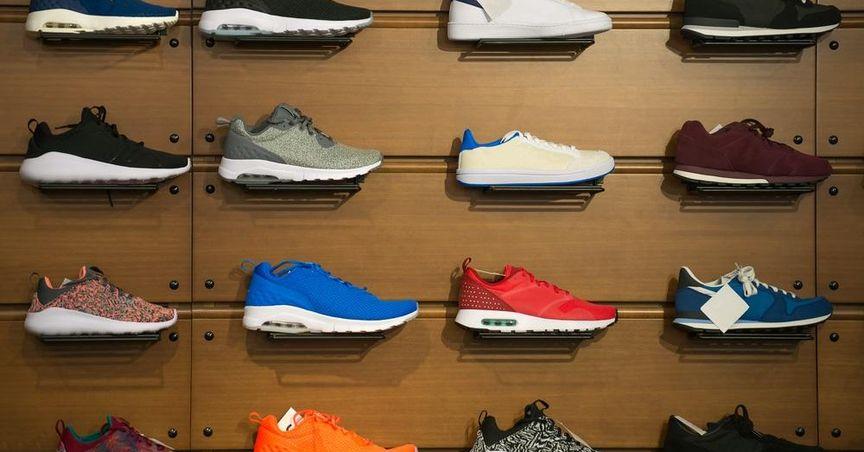





Highlights
- Nike operates in the athletic footwear, apparel, and equipment sector with a global presence.
- Product innovation, digital commerce, and brand expansion remain central to business operations.
- The company is a component of the Dow Jones Industrial Average and the consumer products industry.
The consumer products sector includes companies that manufacture and distribute goods used in everyday life, including apparel and footwear. Nike (NYSE:NKE) is one of the largest athletic footwear and sportswear companies globally, serving consumers through wholesale partners, company-owned retail stores, and digital platforms. As a constituent of the Dow Jones Industrial Average, the company is frequently referenced alongside major U.S. corporations representing established industries and internationally recognized brands.
Global business model and product portfolio
Nike designs, develops, markets, and distributes athletic footwear, apparel, equipment, and accessories for a wide range of sports and fitness activities. Product categories include running, basketball, football, training, lifestyle, golf, tennis, skateboarding, and outdoor activities.
The business serves customers across North America, Europe, Greater China, Asia Pacific, and Latin America. Distribution combines wholesale relationships with retailers, direct-to-consumer channels, branded stores, factory outlets, and digital commerce platforms. This multi-channel approach supports product availability across diverse geographic markets while strengthening customer engagement.
Within the broader Consumer Stocks category, internationally recognized brands continue expanding digital capabilities alongside physical retail operations to serve changing shopping preferences.
Digital commerce and retail expansion
Digital commerce has become an increasingly important part of the company's operations. Mobile applications, online marketplaces, membership programs, and personalized shopping experiences support customer interaction across multiple platforms.
Retail operations include flagship stores, factory stores, neighborhood locations, and partner retail outlets. Physical stores complement digital channels by showcasing new collections, seasonal products, and sport-specific merchandise.
Technology also supports inventory management, order fulfillment, customer engagement, and supply chain coordination. Digital tools assist product launches while improving shopping accessibility across multiple regions.
The [Dow Jones Industrial Average] often provides context for observing how established consumer companies continue adapting to evolving retail environments through digital transformation and omnichannel distribution.
Innovation across footwear and apparel
Product development remains a defining feature of Nike's operations. Footwear technologies focus on comfort, cushioning, stability, responsiveness, and performance across multiple sporting disciplines. Apparel collections incorporate lightweight fabrics, moisture-management materials, weather protection, and performance-oriented designs.
Research, product testing, material development, and design activities contribute to regular introductions of updated footwear silhouettes, apparel collections, and sports equipment. Collaborations with sporting organizations and licensed merchandise also broaden the product portfolio across global markets.
Manufacturing is carried out through an extensive network of independent suppliers located across several countries. This global production model supports large-scale distribution while maintaining flexibility across different product categories.
International operations and supply chain
International operations represent a significant portion of overall business activity. Regional product assortments, localized marketing initiatives, and country-specific retail formats support customer engagement across diverse markets.
The supply chain spans raw material sourcing, manufacturing partners, logistics providers, regional distribution centers, and retail networks. Efficient coordination across these stages supports product availability throughout seasonal launches and major sporting events.
Environmental initiatives also form part of operational activities through recycled materials, manufacturing efficiency programs, waste reduction efforts, and sustainable product development. These initiatives align with broader industry efforts to improve resource management across apparel manufacturing.
Industry trends influencing sportswear
Global participation in fitness, wellness, recreational sports, and athletic activities continues supporting demand for sportswear and athletic footwear. Digital fitness platforms, wearable technology, and health-focused lifestyles have contributed to evolving consumer preferences across multiple age groups.
Fashion trends also influence athletic apparel as sports-inspired clothing increasingly extends beyond training environments into everyday wear. Product versatility, comfort, and functional design continue shaping purchasing patterns across international markets.
Large global brands continue expanding direct customer relationships through digital memberships, mobile applications, exclusive product launches, and personalized online experiences. These developments have become an important feature of competition within the athletic apparel industry.
Position within major market benchmarks
Membership in the [Dow Jones Industrial Average] reflects the company's position among established U.S. corporations representing significant industries within the American economy. The index includes companies from multiple sectors, providing a broad representation of industrial, consumer, healthcare, financial, and technology businesses.
The athletic footwear industry remains closely connected with international sporting events, professional leagues, grassroots participation, and lifestyle trends. Brand recognition, product development, retail expansion, and global distribution continue shaping the competitive landscape.
Toward the close of the discussion, the [Dow Jones Industrial Average] remains an important reference point for tracking major U.S. corporations, including Nike (NYSE:NKE), alongside developments across the consumer products industry and global retail markets.
