
 AUS
AUS
 NZ
NZ
 UK
UK
 CA
CA
 USA
USA
 IND
IND





Highlights
- Discount retail activity remained active amid changing consumer spending patterns.
- Dollar General expanded focus on consumable goods, household products, and rural store coverage.
- Market commentary reflected mixed earnings expectations and operational discussions surrounding the retail sector.
[S&P 500 Index] continues to reflect developments across major retail and consumer-focused businesses operating throughout the United States. Discount retail chains remain closely linked to household spending behavior, product accessibility, and regional shopping trends. Among those companies, Dollar General Corporation maintains a broad presence through small-format stores serving suburban and rural communities across multiple states.
The discount retail sector has experienced changing merchandise demand, with retailers adapting store assortments toward essential household categories and consumable products. Grocery staples, cleaning supplies, seasonal merchandise, and health-related products continue to represent major categories within the company’s store network. Retail chains operating in this segment frequently emphasize convenience and local accessibility for communities located outside dense metropolitan areas.
Retail Operations Across Community Markets
Dollar General Corporation operates thousands of neighborhood stores designed around quick shopping visits and simplified product selection. Locations are commonly positioned near residential areas where access to large shopping centers may remain limited. The company’s format emphasizes compact layouts with broad assortments of everyday items.
Store inventories include packaged food products, beverages, paper goods, cleaning materials, apparel basics, beauty products, and seasonal merchandise. Consumer demand within discount retail often shifts alongside inflationary pressures, transportation expenses, and household budgeting patterns. Retailers within this segment regularly adjust inventory strategies to align with purchasing behavior observed across local communities.
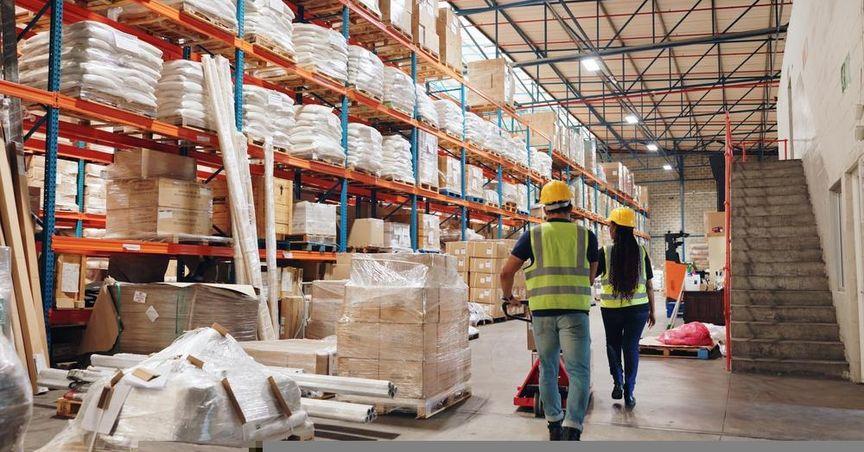
Distribution and logistics networks also remain central to operations in the discount retail category. Transportation systems, warehouse coordination, and product replenishment schedules influence shelf availability and operational consistency. Regional delivery structures support store activity across suburban highways, small towns, and rural commercial corridors.
Earnings Discussions and Forecast Revisions
Recent market coverage highlighted revised earnings projections connected to Dollar General Corporation (NYSE:DG). Several financial firms adjusted fiscal expectations following updated quarterly reporting activity. Commentary surrounding earnings forecasts reflected mixed sentiment tied to operating conditions within discount retail.
Quarterly reporting indicated stronger-than-expected sales activity compared with earlier market expectations. Revenue performance benefited from continued customer traffic and demand for consumable goods. Merchandise categories tied to household essentials remained significant contributors during the reporting period.
Retail industry discussions frequently focus on comparable-store activity, operating expenses, supply chain efficiency, and merchandising strategies. Shifts in freight expenses, labor conditions, and inventory management practices continue shaping operational discussions throughout the sector. Broader consumer spending behavior also remains closely connected to discount retail performance across national chains.
In the middle of broader retail market conversations, [S&P 500 Index] activity often reflects sentiment surrounding consumer-focused companies and defensive retail categories. Discount retailers sometimes attract heightened attention during periods marked by economic uncertainty and changing household spending priorities.
Consumer Demand and Product Categories
Discount retailers typically experience elevated demand for lower-cost household products during periods of cautious consumer spending. Essential product categories frequently maintain steady traffic levels due to recurring household needs. Consumable merchandise often represents a substantial portion of overall store activity within the sector.
Dollar General stores commonly feature food products, snacks, frozen goods, paper items, cleaning supplies, pet products, and over-the-counter wellness items. Seasonal merchandise also remains an important component of retail layouts throughout various periods of the calendar year.
Store modernization efforts across the retail industry have included updated checkout systems, digital inventory tools, and expanded delivery coordination. Retail chains continue incorporating technology systems aimed at improving product tracking and operational efficiency. Distribution infrastructure and merchandising flexibility remain important operational themes within large-scale discount retail networks.
Institutional Activity and Market Attention
Institutional participation surrounding retail companies continues drawing attention across financial markets. Large asset management firms and advisory groups frequently adjust exposure to major retail businesses as sector conditions evolve. Market commentary connected to Dollar General referenced ongoing institutional activity involving various financial organizations.
Retail companies operating on a national scale often remain closely monitored due to extensive store footprints and direct exposure to household purchasing patterns. Consumer behavior tied to groceries, cleaning products, and everyday essentials frequently influences broader retail sector discussions.
Competitive conditions within discount retail continue involving pricing structures, supply chain coordination, store expansion activity, and customer convenience. Companies across the segment regularly evaluate merchandising strategies intended to maintain traffic levels across varied regional markets.
Dollar General Corporation (NYSE:DG) remains associated with the broader discount retail landscape, where operational performance continues reflecting changes in consumer priorities, product demand, and store accessibility across local communities.
