
 AUS
AUS
 NZ
NZ
 UK
UK
 CA
CA
 USA
USA
 IND
IND





Highlights
- XPeng is advancing its robotaxi positioning.
- Physical AI is moving into real-world mobility.
- Autonomous driving remains a major strategic focus.
XPeng’s robotaxi push highlights its physical AI strategy as autonomous software, real-world testing, regulation, safety, and mobility services shape the company’s next competitive phase.
XPeng (NYSE:XPEV) has moved back into focus after advancing its robotaxi positioning as part of a broader physical AI strategy. As a constituent of the NYSE Composite, the company remains part of the broader U.S. equity market while expanding its presence in intelligent mobility and autonomous driving. The development gives the smart electric vehicle maker a fresh company-specific catalyst tied to autonomous driving, vehicle intelligence, software-defined mobility, and future transportation services. Rather than focusing only on vehicle deliveries, the update highlights how XPeng is attempting to build a wider technology platform around intelligent vehicles and real-world automation.
Robotaxi Strategy Moves Forward
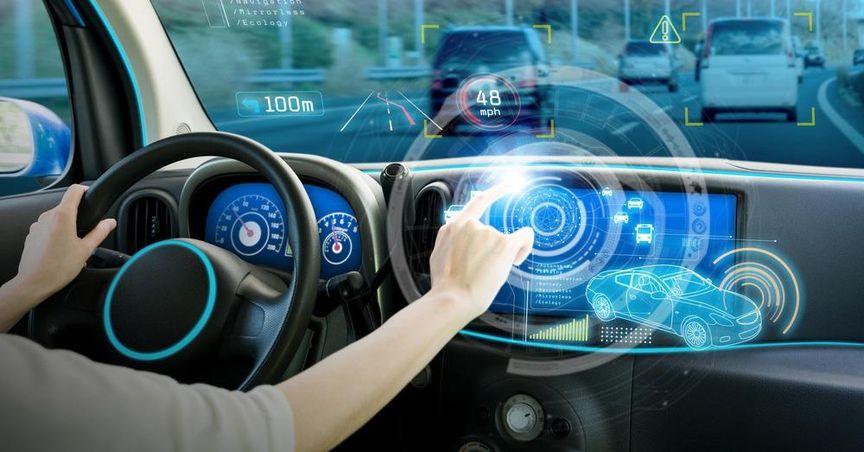
XPeng’s robotaxi direction reflects a larger effort to bring artificial intelligence into physical transportation systems. Robotaxis combines vehicle hardware, autonomous driving software, sensors, mapping, safety systems, and fleet management into one operating model.
The company’s latest positioning suggests that autonomous mobility is becoming more closely connected with its broader business strategy. This matters because robotaxi development requires more than producing an electric vehicle. It also depends on reliable software, continuous data processing, system updates, road testing, and the ability to respond safely to changing traffic conditions.
For XPeng, the robotaxi concept may also provide a practical way to demonstrate how its autonomous driving technology performs outside traditional passenger vehicle ownership. A fleet-based model can create repeated real-world testing opportunities while helping the company refine software and operating systems.
Physical AI Shapes Mobility
Physical AI refers to artificial intelligence that interacts directly with the real world through machines, vehicles, robots, and automated systems. In transportation, this can include vehicles that interpret road conditions, recognize objects, make driving decisions, and respond to unexpected situations.
XPeng’s decision to connect robotaxis with physical AI places the company within a wider technology trend. Smart electric vehicles are increasingly being developed as connected digital platforms rather than purely mechanical products.
This shift gives software a larger role in vehicle performance. Features such as autonomous navigation, parking assistance, route planning, driver support, and over-the-air updates can influence how customers experience a vehicle throughout its life.
Robotaxi operations take these capabilities further by reducing reliance on a human driver. That creates a much higher requirement for safety, consistency, system reliability, and regulatory acceptance.
Autonomous Systems Need Execution
The robotaxi opportunity is significant, but successful execution remains complex. Autonomous vehicles must perform across changing weather, road layouts, traffic behavior, construction zones, and unpredictable human actions.
Testing therefore becomes a central part of the development process. Each driving environment can generate information that helps improve decision-making systems and identify weaknesses before broader deployment.
XPeng’s progress will likely be judged by the quality of its testing, the stability of its software, and the company’s ability to demonstrate reliable performance under real-world conditions.
Operational discipline will also matter. Robotaxi fleets require vehicle maintenance, charging infrastructure, remote monitoring, software support, and efficient fleet utilization. These requirements make the business model different from traditional vehicle manufacturing.
Software Defines Vehicle Competition
Competition among smart electric vehicle makers is increasingly shaped by software capabilities. Vehicle design, range, charging speed, and pricing remain important, but advanced driving systems are becoming a major point of differentiation.
XPeng has consistently positioned intelligent driving as a central part of its identity. The robotaxi strategy strengthens that direction by connecting vehicle technology with future mobility services. These developments continue keeping the company in focus among automobile stocks , where electric vehicles, autonomous driving, and software-driven mobility are becoming increasingly important competitive factors.
Software-defined vehicles can continue improving after delivery through system updates and new features. This creates an ongoing relationship between the automaker and the vehicle, rather than limiting value creation to the original transaction.
For XPeng, success in this area could strengthen brand recognition around intelligent mobility. However, the company must continue demonstrating that its technology can deliver practical value rather than remaining limited to ambitious development claims.
Regulation Remains A Key Factor
Autonomous mobility depends heavily on regulatory approval. Authorities must evaluate vehicle safety, data use, road testing, insurance responsibility, and the rules governing vehicles without human drivers.
Different cities and regions may introduce separate standards, making expansion more complicated. A system approved in one market may require additional testing or changes before operating elsewhere.
Public confidence is equally important. Robotaxi adoption will depend on whether passengers, regulators, and communities view autonomous services as reliable and safe.
XPeng will therefore need to balance development speed with careful testing and transparent communication. Moving too slowly may weaken its competitive position, while moving too quickly could create operational and reputational risks.
Future Updates May Guide Sentiment
Future announcements may provide clearer signals about XPeng (NYSE:XPEV) progress. Important areas include testing milestones, geographic expansion, regulatory approvals, safety performance, fleet partnerships, and the integration of robotaxi technology with existing vehicle platforms.
The company may also need to explain how autonomous mobility fits within its wider commercial model. Robotaxis can support technology development, but the long-term value will depend on whether the service can operate efficiently and attract consistent demand.
The latest update provides a useful checkpoint rather than a complete outcome. It shows that XPeng views autonomy as a long-term differentiator and sees physical AI as an important part of future mobility.
The main issue now is execution. The company must turn technology positioning into reliable systems, practical services, and measurable operating progress while navigating competition, cost pressure, safety requirements, and regulation.
